All
Dennis Sneed Ford
Gower Ford Dealer
Ford Trucks
Ford SUVs
Ford F-150
Ford Explorer
Ford Super Duty
Ford Super Duty Trucks
Ford Bronco
Ford Maverick
Ford Mustang
Ford Ranger
2027 Ford Expedition
Ford Bronco Sport
chevy silverado
Dennis Sneed Ford Service
Gower Ford Service
Gower Used Cars
Used Ford Trucks
2025 Ford Bronco Sport Big Bend
2025 Ford Bronco Sport Outer Banks
Battery Maintenance
EV Trucks
Ford EV
Ford Expedition
Ford Fathom
How Long Does a Car Battery Last
How To Change Your Oil
Used SUVs
2026 Ford F-150 Exterior Colors: Every Color and What's New
Why Kansas City F-150 Buyers Drive 45 Minutes to Gower
Ford Bronco Sport vs Jeep Compass: Our Comparison
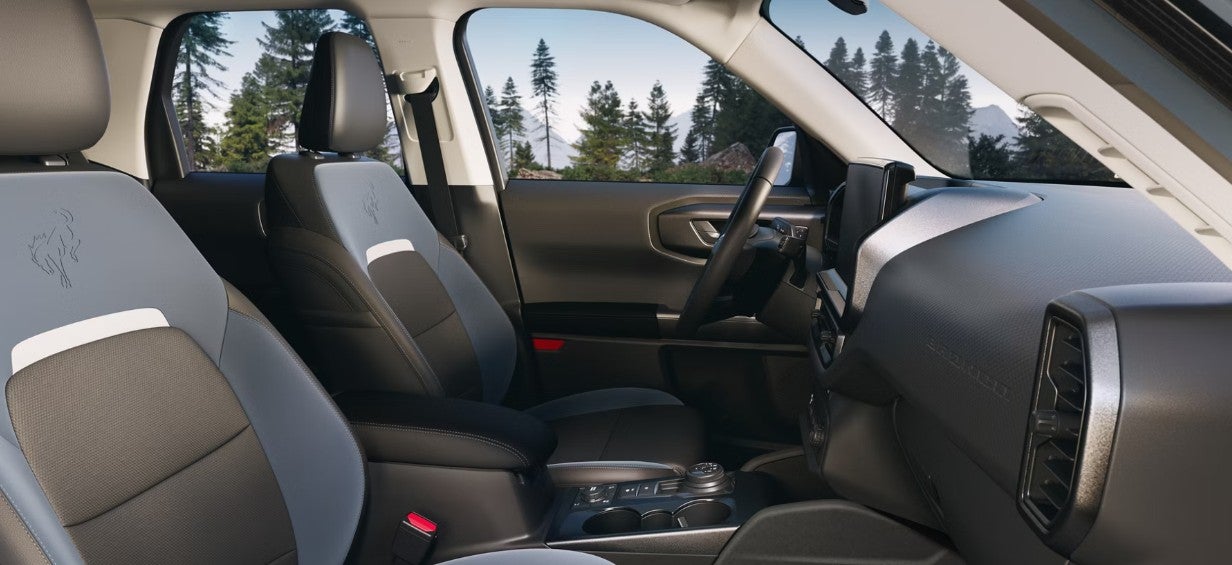
Are you trying to decide between the Ford Bronco Sport and the Jeep Compass? You're not alone. These two compact SUVs are among the most popular comparisons our customers bring to Dennis Sneed Ford in Gower, Missouri — and for good reason. Both are adventure-ready, family-friendly, and sized right for everyday life. But when you look closely at the numbers, the engineering, and the standard features, one consistently delivers more for your money. In this comparison, we cover everything that matters: engine power, off-road capability, cargo space, safety technology, fuel economy, towing capacity, and real-world value. Whether you're a weekend trail-goer, a daily commuter, or somewhere in between, this guide will help you make the right call before you buy. The Bronco Sport comes equipped with up to 250 horsepower and 277 lb-ft of torque, standard intelligent 4x4 on every trim, and Ford Co-Pilot360 safety features across the board — all at a price point that competes directly with the Compass. The Jeep has its strengths, but as we'll show, the Bronco Sport wins on almost every measure that matters. Browse Bronco Sport Inventory at Dennis Sneed Ford Why Comparing These Two Compact SUVs Matters At Dennis Sneed Ford, we've helped hundreds of customers navigate this exact decision. Both vehicles target the same buyer: someone who wants a capable, versatile SUV that handles commutes, family errands, and weekend adventures without compromise. Here's why the comparison is worth doing carefully: Both occupy the same price bracket, making it essential to understand what you actually get for your money at each trim level Each offers all-wheel drive, but with very different systems and very different off-road engineering philosophies Standard feature content varies dramatically — what's included with the Bronco Sport often costs extra on the Compass Resale value, brand recognition, and long-term ownership costs differ in ways that add up over years Key Advantage Why It Matters Real-World Benefit Compact Size with SUV Capability Fits city streets and parking spots Easy to park downtown; confident off-road Better Fuel Economy Than Full-Size SUVs Lower fuel costs for daily commuting Hundreds saved annually vs larger SUVs Versatile, Multi-Situation Design Handles school runs, road trips, and trails One vehicle for every scenario Modern Safety and Connectivity Standard driver assistance technology Peace of mind on every drive Performance and Powertrain: Two Engines vs One The powertrain difference between these two SUVs is one of the most significant factors in this comparison. The Ford Bronco Sport gives you a choice depending on your driving needs and budget; the Jeep Compass does not. Ford Bronco Sport Engine Options The Bronco Sport offers two EcoBoost turbocharged engines, giving you the ability to choose between efficiency and performance: 1.5L EcoBoost (Base and Big Bend trims): 181 horsepower and 190 lb-ft of torque — efficient, responsive, and fully capable for daily driving and light trail use 2.0L EcoBoost (Outer Banks, Badlands, and Heritage trims): 250 horsepower and 277 lb-ft of torque — a serious step up for highway passing, hill climbing, and demanding off-road performance Both engines pair with an 8-speed automatic transmission for smooth, confident shifting in every condition The 2.0L also unlocks the Bronco Sport's full 2,700 lb towing capacity with the Class II trailer tow package Jeep Compass Engine The Jeep Compass offers a single engine across its entire lineup: a 2.0L turbocharged four-cylinder producing 200 horsepower and 221 lb-ft of torque, paired with an 8-speed automatic. It handles everyday driving well, but there's no performance upgrade path available regardless of which trim you choose. Specification Bronco Sport 1.5L Bronco Sport 2.0L Jeep Compass Horsepower 181 hp 250 hp 200 hp Torque 190 lb-ft 277 lb-ft 221 lb-ft Transmission 8-Speed Auto 8-Speed Auto 8-Speed Auto Max Towing Capacity 2,200 lbs 2,700 lbs 2,000 lbs The performance winner is clear: the Bronco Sport's top engine has a 50 hp and 56 lb-ft advantage over the Compass. That means faster acceleration, more confident merging on Highway 169, and stronger capability on Missouri trails. Visit Dennis Sneed Ford to schedule a test drive and feel the difference firsthand. You can also review full Bronco Sport specs before you visit. Off-Road Capability: G.O.A.T. Modes vs Selec-Terrain Off-road performance is where the Ford Bronco Sport truly earns its name. Every Bronco Sport — even the entry-level trim — comes standard with intelligent 4x4. The Jeep Compass makes FWD standard on base trims, meaning AWD costs extra. That's a meaningful difference before the trail even starts. Ford's G.O.A.T. Modes: Seven Ways to Conquer Any Terrain Ford's G.O.A.T. (Goes Over Any Type of Terrain) system automatically adjusts throttle response, transmission behavior, traction control, and stability settings to match your environment. Available modes include: Normal: Optimized for everyday paved road driving Eco: Maximizes fuel efficiency for highway cruising Sport: Enhances throttle response and handling dynamics Slippery: Ideal for wet, icy, or snow-covered Missouri roads in winter Sand: Adjusts torque delivery for loose, sandy terrain conditions Mud/Ruts: Provides maximum traction in muddy trail conditions Rock Crawl: Available exclusively on the Badlands trim for extreme technical terrain The Badlands trim adds the H.O.S.S. (High-Performance Off-Road Stability Suspension) system with increased suspension travel for serious trail use. Ground clearance ranges from 8.0 to 9.0 inches depending on trim. Standard skid plates protect critical components on every Bronco Sport. See all Bronco Sport trim levels to find your match. Jeep Compass Trailhawk: Capable but Limited The Compass Trailhawk trim adds 8.6 inches of ground clearance and Jeep's Selec-Terrain management system, which provides fewer driving modes than the Bronco Sport's G.O.A.T. system. It's a capable light-duty off-roader and handles maintained trails confidently — but it doesn't match the engineering depth or standard availability of the Bronco Sport's off-road systems. Interior Space, Cargo, and Smart Storage Your daily adventures need practical storage — and the Bronco Sport delivers more cubic feet and smarter features than the Compass at every configuration. Ford Bronco Sport: Built for How You Actually Live 32.5 cubic feet of cargo space behind the second row — 5.3 cu ft more than the Compass 65.2 cubic feet maximum cargo capacity with rear seats folded flat — 5.4 cu ft more than the Compass Available flip-up rear glass for quick access to cargo without opening the full hatch MOLLE attachment straps on seat backs for gear pouches, tools, and accessories Rubberized, easy-clean flooring in the cargo area — no worries about muddy boots or wet gear Multiple tie-down anchor points and integrated storage cubbies throughout the cabin Interior Feature Ford Bronco Sport Jeep Compass Cargo Space (Seats Up) 32.5 cu ft 27.2 cu ft Maximum Cargo (Seats Folded) 65.2 cu ft 59.8 cu ft Specialty Storage Features MOLLE straps, flip-up glass, rubberized floor Standard door pockets and center console Seating Capacity 5 passengers 5 passengers Safety Features, Technology, and Connectivity Safety shouldn't require a trim upgrade — and with the Ford Bronco Sport, it doesn't. Every single Bronco Sport, from base to Badlands, comes standard with the full Ford Co-Pilot360 driver assistance suite. Ford Co-Pilot360 — Included on Every Bronco Sport Pre-Collision Assist with Automatic Emergency Braking — monitors for vehicles and pedestrians and brakes automatically if you don't respond in time Lane-Keeping System — gently steers you back if you drift out of your lane unintentionally Blind Spot Information System with Cross-Traffic Alert — warns of approaching vehicles in adjacent lanes and when reversing Auto High-Beam Headlamps — automatically adjusts for oncoming traffic and ambient light conditions The Jeep Compass reserves many of these same features for higher trim levels or optional packages. That means if you're buying an entry-level Compass, you may be paying for less protection without realizing it. Infotainment: SYNC 4 vs Uconnect 5 Feature Ford Bronco Sport Jeep Compass Standard Touchscreen Size 13.2 inches (all trims) 8.4–10.1 inches (varies by trim) Digital Instrument Cluster 12.3 inches (standard) 10.25 inches (higher trims only) Wireless Smartphone Integration Standard on all trims Wired on base models Infotainment System Ford SYNC 4 Jeep Uconnect 5 Fuel Economy, Towing, and Overall Value The Bronco Sport's fuel economy is competitive with the Compass across its engine range: Bronco Sport 1.5L EcoBoost (FWD): approximately 25 city / 28 highway MPG Bronco Sport 1.5L EcoBoost (4x4): approximately 22–25 city / 26–28 highway MPG Bronco Sport 2.0L EcoBoost (4x4): approximately 20–21 city / 24–26 highway MPG Jeep Compass (FWD): approximately 22–25 city / 28–31 highway MPG On towing, the Bronco Sport wins outright. The 2.0L EcoBoost with trailer tow package pulls up to 2,700 lbs, giving you 700 more pounds of capacity than the Compass's 2,000 lb limit. That's the difference between hauling a small boat to Smithville Lake and leaving it at home. And when you factor in standard technology, standard 4x4, larger infotainment screen, and better safety equipment included at every price point, the Bronco Sport delivers significantly stronger value across the board. Review our related post comparing the Bronco Sport Big Bend vs Outer Banks to fine-tune your trim choice. Explore Financing Options at Dennis Sneed Ford Why Dennis Sneed Ford Is the Right Place to Buy Your Bronco Sport At Dennis Sneed Ford in Gower, Missouri, we've been helping families and adventurers find the right vehicle for years. We know the roads, the seasons, and the demands Missouri puts on a compact SUV — from icy I-29 in January to muddy rural trails in spring. We carry a full lineup of Bronco Sport models in stock across multiple trims so you can compare them side by side and find the exact configuration that fits your life and budget. Transparent, no-pressure pricing with manufacturer incentives applied upfront Ford-trained service technicians who know the Bronco Sport inside and out In-house financing department working with multiple lenders for competitive rates Convenient service scheduling and Ford Pickup & Delivery for maintenance appointments Comprehensive warranty coverage and available Ford Protect extended protection plans Read what our customers are saying on our reviews page, and visit our awards page to see our recognitions for customer service excellence. Our general maintenance advice and certified Ford service center are also ready to keep your Bronco Sport running strong long after you drive off the lot. The Bronco Sport Is Your Adventure-Ready Choice Our comparison shows the Ford Bronco Sport wins across every major category: more engine options, stronger towing, better off-road technology with G.O.A.T. Modes, more cargo space, full safety features standard on every trim, and a superior 13.2-inch SYNC 4 infotainment system right out of the box. The Jeep Compass is a capable vehicle — but the Bronco Sport consistently delivers more without asking you to pay more to get it. Come visit Dennis Sneed Ford at 1046 S.W. Highway 169 in Gower, Missouri — conveniently located on the I-29 corridor between Kansas City and St. Joseph. Call Sales at (816) 409-1975, browse our new vehicle specials, or stop in and test drive a Bronco Sport today. Schedule Your Bronco Sport Test Drive Today Frequently Asked Questions What are the main engine differences between the Ford Bronco Sport and Jeep Compass? The Ford Bronco Sport offers two engine options: a 1.5L EcoBoost producing 181 horsepower and 190 lb-ft of torque, and a 2.0L EcoBoost producing 250 horsepower and 277 lb-ft of torque. The Jeep Compass uses a single 2.0L turbocharged engine across all trims at 200 horsepower and 221 lb-ft of torque. The Bronco Sport's top engine delivers a 50 hp and 56 lb-ft advantage, translating to stronger acceleration, better passing power, and higher towing capacity. Which compact SUV has better off-road capability? The Ford Bronco Sport is the clear winner for off-road performance. Standard intelligent 4x4 comes on every trim, and Ford's exclusive G.O.A.T. Modes system offers up to seven terrain management settings. Ground clearance reaches 9.0 inches on the Badlands trim, and the H.O.S.S. suspension system increases travel for serious trail use. Standard skid plates protect critical components across all trims. The Jeep Compass Trailhawk handles maintained trails well, but the Bronco Sport's off-road engineering is purpose-built at every price point. How does cargo space compare between the Ford Bronco Sport and Jeep Compass? The Ford Bronco Sport offers more cargo space in every configuration: 32.5 cubic feet behind the second row and 65.2 cubic feet with seats folded, compared to the Compass's 27.2 and 59.8 cubic feet respectively. The Bronco Sport also adds adventure-focused features not found in the Compass — including MOLLE attachment straps, a flip-up rear glass window, and rubberized easy-clean cargo flooring. What safety features come standard on the Ford Bronco Sport? Every Ford Bronco Sport — regardless of trim level — includes the Ford Co-Pilot360 safety suite as standard equipment. This covers Pre-Collision Assist with Automatic Emergency Braking (including pedestrian detection), Lane-Keeping System, Blind Spot Information System with Cross-Traffic Alert, and Auto High-Beam Headlamps. The Jeep Compass requires higher trim levels or optional packages to access comparable safety features, making the Bronco Sport a stronger value for safety-minded buyers at any budget. Which SUV offers better towing capacity and overall value? The Ford Bronco Sport tows up to 2,700 lbs with the 2.0L EcoBoost and trailer tow package, compared to the Jeep Compass's 2,000 lb maximum. On overall value, the Bronco Sport wins by delivering standard 4x4 on all trims, a 13.2-inch SYNC 4 touchscreen on every model, wireless Apple CarPlay and Android Auto standard, and Ford Co-Pilot360 included across the entire lineup — all features that require trim upgrades or option packages on the Compass. Visit Dennis Sneed Ford in Gower, Missouri to explore current inventory and available incentives.
Ford F-150 vs Chevy Silverado: Which Truck Wins?
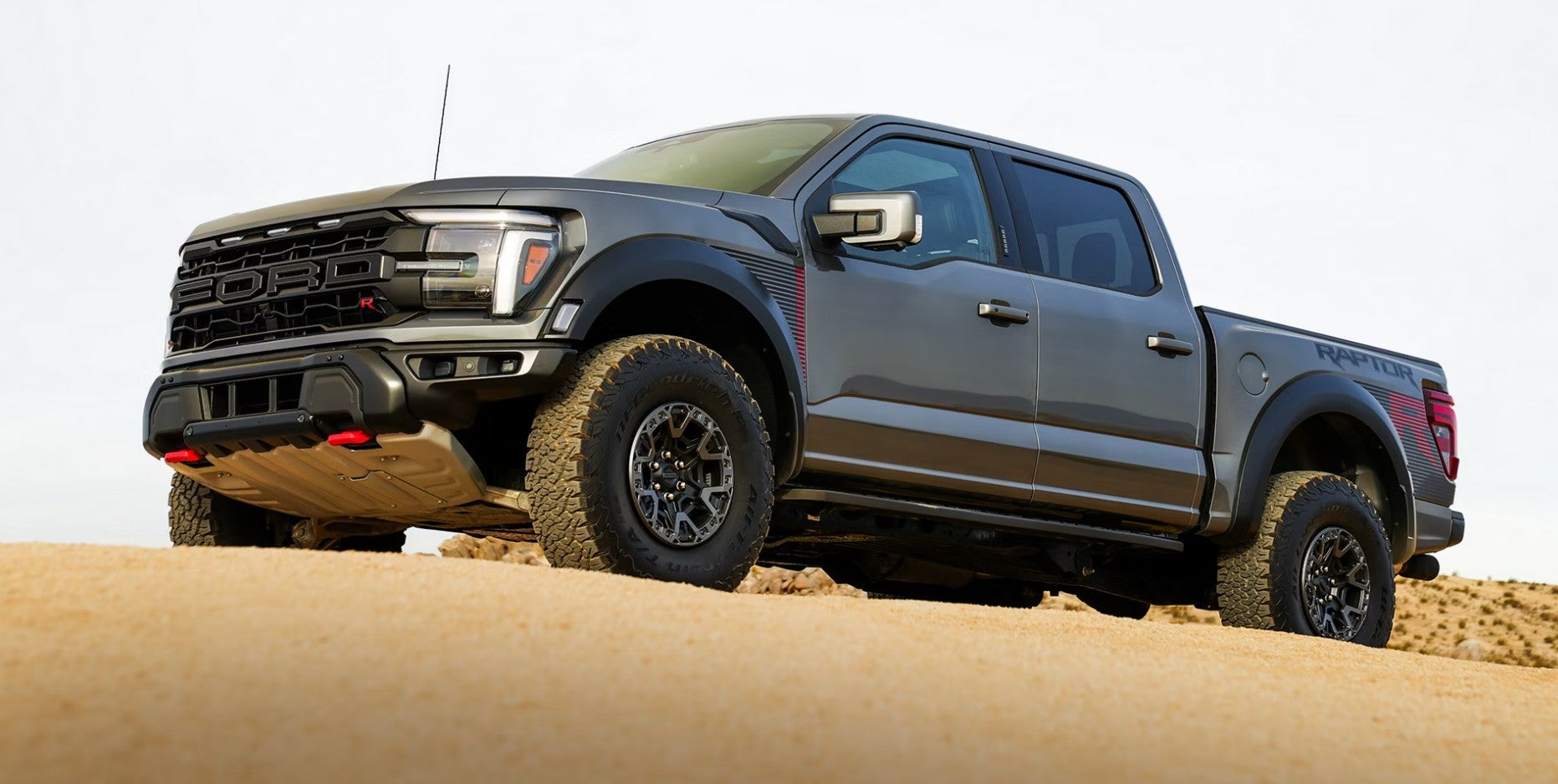
It's one of the oldest debates in the truck world: Ford F-150 or Chevy Silverado? These two full-size pickups have been outselling every other vehicle in America for decades, and both have loyal, passionate followings. At Dennis Sneed Ford in Gower, Missouri, we see this question every single day — and we're here to give you a straight, honest answer based on specs, standard features, and what actually matters to truck buyers across northwest Missouri. We'll cover everything that influences your decision: engines and powertrain options, towing and payload capacity, bed sizes, interior technology, safety ratings, fuel economy, and off-road performance. Whether you're hauling livestock, towing a camper to a Missouri state park, running a construction crew, or just driving the family around — this guide will help you find the right truck for your life. The short version: both trucks are excellent. But the Ford F-150 consistently offers more flexibility, more powertrain choices, stronger standard safety features, higher maximum towing and payload numbers, and more innovative cabin features — often at a comparable price. Here's the full breakdown. Browse F-150 Inventory at Dennis Sneed Ford Why This Truck Comparison Matters for Missouri Buyers In Missouri, a truck isn't just transportation — it's a working tool. Our customers at Dennis Sneed Ford use their trucks for farming, ranching, construction, recreation, and everything in between. The right truck affects your fuel budget, your maintenance schedule, your towing capability, and your daily comfort for years to come. Here's what this comparison will examine: Engine power and torque across six F-150 powertrains and five Silverado options Maximum towing and payload capacity in real-world configurations Bed size choices, payload ratings, and innovative cargo management features Interior technology, connectivity, and innovative cab features Safety ratings and what comes standard vs what costs extra Fuel economy across gas, hybrid, and diesel engine options Off-road package performance from FX4 and Raptor to Z71 and ZR2 Engine Power and Powertrain Options: Six vs Five This is where the F-150 immediately stands out. Ford offers six powertrain options — including the industry-exclusive PowerBoost Full Hybrid — giving you more ways to match the engine to your specific needs and budget. The Silverado offers five, including an optional diesel the F-150 doesn't currently offer. Ford F-150 Engine Lineup 3.3L V6: 290 hp / 265 lb-ft — dependable, no-frills power for light-duty work and daily driving 2.7L EcoBoost V6: 325 hp / 400 lb-ft — best fuel economy among F-150 gas engines with strong real-world performance 5.0L V8: 400 hp / 410 lb-ft — classic V8 sound and power with modern efficiency improvements 3.5L EcoBoost V6: 400 hp / 480 lb-ft — outstanding towing performance for demanding loads 3.5L EcoBoost High-Output: 450 hp / 510 lb-ft — peak performance for the most demanding work applications 3.5L PowerBoost Full Hybrid: 430 hp / 570 lb-ft — best-in-class fuel economy with Pro Power Onboard generator capability up to 7.2 kW Chevy Silverado Engine Lineup 4.3L V6: 285 hp / 305 lb-ft — reliable baseline performance 2.7L Turbo 4-Cylinder: 310 hp / 430 lb-ft — modern turbocharged efficiency with strong torque output 5.3L V8: 355 hp / 383 lb-ft — the Silverado's most popular engine, beloved for its smooth V8 character 6.2L V8: 420 hp / 460 lb-ft — Silverado's maximum gasoline power and top towing engine 3.0L Duramax Diesel: 277 hp / 460 lb-ft — exceptional highway fuel economy at 33 MPG; a strong choice for highway-heavy driving and consistent towing Engine Category Ford F-150 Best Output Chevy Silverado Best Output Standard V8 400 hp / 410 lb-ft (5.0L V8) 355 hp / 383 lb-ft (5.3L V8) Maximum Gas Power 450 hp / 510 lb-ft (3.5L HO EcoBoost) 420 hp / 460 lb-ft (6.2L V8) Alternative Fuel / Efficiency 430 hp / 570 lb-ft (PowerBoost Hybrid) 277 hp / 460 lb-ft (Duramax Diesel) Turbocharged Small Engine 325 hp / 400 lb-ft (2.7L EcoBoost) 310 hp / 430 lb-ft (2.7L Turbo) The F-150 leads in peak horsepower and torque across comparable gas categories. If you want a hybrid powertrain, the F-150 is the only full-size truck in this segment offering one. The Silverado answers with its Duramax diesel for highway-dominant drivers who prioritize fuel savings per mile. Learn more on our F-150 overview page or see the full 2026 F-150 specs. Towing Capacity, Payload, and Bed Configurations The F-150's towing advantage is real and significant. Properly equipped with the 3.5L EcoBoost and Max Trailer Tow Package, the F-150 can tow up to 14,000 lbs. The Silverado's best configuration (6.2L V8 with Max Trailering Package) reaches 13,300 lbs. That 700 lb gap matters when you're pulling livestock trailers, enclosed car haulers, or larger campers. See the full breakdown on our F-150 towing capacity page. How to Get Maximum Towing from the F-150 Choose the 3.5L EcoBoost or PowerBoost Hybrid for the highest towing ratings Add the Max Trailer Tow Package with upgraded cooling, smart trailer connector, and integrated trailer brake controller Spec the electronic-locking 3.73 rear axle ratio for optimal towing performance Select a SuperCrew cab with 5.5- or 6.5-foot bed for the best towing weight distribution Payload and Bed Size Comparison Bed / Payload Feature Ford F-150 Chevy Silverado Short Bed 5.5 ft / 52.8 cu ft 5.8 ft / ~53 cu ft Standard Bed 6.5 ft / 62.3 cu ft 6.6 ft / ~63 cu ft Long Bed 8 ft / 77.4 cu ft 8 ft / ~71 cu ft Maximum Payload Rating Up to 3,325 lbs Up to 2,280 lbs Standout Bed Innovation BoxLink tie-down system + Pro Power Onboard (up to 7.2 kW) Multi-Flex 6-position tailgate The F-150's maximum payload rating of 3,325 lbs significantly outpaces the Silverado's 2,280 lbs. The F-150 also holds a unique advantage with Pro Power Onboard — a factory-integrated generator system that delivers up to 7.2 kW of exportable power from the bed for job site tools, camping equipment, or emergency home power. The Silverado counters with its Multi-Flex tailgate, which folds in six different ways and serves as a step, work surface, or extended load support. Both are genuinely useful — they simply prioritize different needs. Interior Technology, Comfort, and Safety Features Both trucks have dramatically elevated their interiors in recent years, moving from basic working cab to near-luxury appointments. The F-150 stands out with several genuinely innovative features that define new categories, not just trim levels. F-150 Interior Highlights SYNC 4 infotainment system with touchscreens up to 12 inches, cloud-connected navigation, and fast, intuitive controls Wireless Apple CarPlay and Android Auto standard on most trims — no cable required Max Recline Seats available in SuperCrew models — recline nearly flat for rest breaks or tailgate events Fold-flat interior work surface — a built-in laptop-friendly desk on the center console for office-on-the-go use Available Bang & Olufsen premium audio with 18 speakers delivering concert-quality sound Available 360-degree camera system for parking, maneuvering, and job site navigation Safety: Ford Co-Pilot360 Standard on Every F-150 Every Ford F-150, from the work-focused XL to the luxury-spec Limited, comes with Ford Co-Pilot360 as standard equipment. The Silverado offers comparable technologies but reserves some features for higher trim levels or optional packages. Here's the comparison: Safety Feature Ford F-150 Chevy Silverado NHTSA Overall Rating 5 Stars 5 Stars Automatic Emergency Braking Standard (all trims) Standard on most trims Blind Spot Monitoring Standard (all trims) Higher trim levels or option packages Lane-Keeping Assist Standard (all trims) Standard on most trims Unique Towing Safety Feature Pro Trailer Backup Assist Transparent Trailer View (higher trims) Fuel Economy, Off-Road Performance, and Long-Term Reliability Fuel costs matter for everyday truck drivers. Here's how the two lineups compare on F-150 fuel economy: F-150 2.7L EcoBoost: ~20 city / 26 highway / 22 combined MPG F-150 PowerBoost Hybrid: ~24 city / 24 highway / 25 combined MPG — plus Pro Power Onboard Silverado 5.3L V8: ~17 city / 23 highway / 19 combined MPG Silverado 3.0L Duramax Diesel: ~23 city / 33 highway / 27 combined MPG — highest highway number in the segment For most buyers, the F-150's 2.7L EcoBoost or PowerBoost Hybrid delivers the best combination of fuel efficiency, performance, and capability. The Silverado's diesel has the edge in raw highway MPG, but carries a $3,000–$4,000 premium and higher maintenance costs. The F-150 PowerBoost adds comparable efficiency plus the Pro Power Onboard generator — making it more versatile for the same type of buyer. Off-Road Packages: Raptor, Tremor, FX4 vs Raptor, ZR2, Z71 Off-Road Package Ground Clearance Best For F-150 FX4 Off-Road Standard + off-road upgrades Hunting trails, gravel roads, winter driving F-150 Tremor 10.8 inches Serious trail driving, deep ruts, rocky terrain F-150 Raptor 13.1 inches High-speed desert performance, extreme terrain Silverado Z71 Standard + Rancho shocks Light off-road use and maintained trails Silverado ZR2 11.2 inches Technical rock crawling with Multimatic dampers The F-150 Raptor has no direct Silverado equivalent for high-speed performance off-road. The Silverado ZR2 is exceptional for technical crawling with Multimatic DSSV dampers. For most Missouri buyers, the F-150 FX4 or Tremor offers the right balance of trail capability and everyday drivability. Also worth exploring: F-150 vs F-250 comparison and Ford Super Duty trucks for heavier-duty hauling needs. On long-term reliability, the F-150's military-grade high-strength aluminum body resists rust better than steel bodies — an important consideration for Missouri's wet winters and humid summers. Ford's EcoBoost engines are proven performers with millions of miles of owner data behind them. Read more in our blog post on pickup trucks with the best longevity. Apply for F-150 Financing at Dennis Sneed Ford Why Dennis Sneed Ford Is Your F-150 Headquarters in Gower, Missouri At Dennis Sneed Ford, trucks are our specialty. We're located on Highway 169 in Gower — right on the I-29 corridor, convenient for customers from Kansas City, St. Joseph, Smithville, Cameron, Platte City, and every community in northwest Missouri. We carry an extensive F-150 inventory from work-focused XL and XLT configurations to fully loaded Platinum and Limited models across multiple engine options. Ford-certified technicians trained specifically on F-150 powertrains, including the EcoBoost and PowerBoost Hybrid systems In-house finance team working with multiple lenders for competitive rates on any credit profile Kelley Blue Book Instant Cash Offer for trade-ins — value your trade online before you visit Convenient service scheduling at our certified Ford service center, with pickup and delivery available Ford Protect extended warranty plans for complete long-term peace of mind Read real customer feedback on our reviews page and see our dealership awards. For additional truck research, explore our related posts: Pickup trucks with the best longevity and What to look for when buying a used Ford truck. The Verdict: Ford F-150 Wins the Head-to-Head Both the Ford F-150 and Chevy Silverado are exceptional full-size trucks — you honestly can't go wrong with either. But across the categories that matter most to Missouri truck buyers, the Ford F-150 consistently delivers more: six engine choices including the only hybrid in the segment, 14,000 lbs of maximum towing, 3,325 lbs of maximum payload, innovative cab features like Max Recline Seats and the fold-flat work surface, Pro Power Onboard generation, and Ford Co-Pilot360 safety on every single trim. Come visit Dennis Sneed Ford at 1046 S.W. Highway 169 in Gower, Missouri. Test drive a few F-150 configurations — try the 2.7L EcoBoost for daily efficiency, the 5.0L V8 for that classic sound and feel, or the PowerBoost Hybrid if you want it all. Call Sales at (816) 409-1975, check out our current truck specials, or browse our full new inventory online. Our team is here to help you find the exact F-150 that fits your work, your family, and your budget — no pressure, no shortcuts. Schedule Your F-150 Test Drive Today Frequently Asked Questions Which truck has better towing capacity, the Ford F-150 or Chevy Silverado? The Ford F-150 has the edge in maximum towing capacity. Properly equipped with the 3.5L EcoBoost V6 or PowerBoost Hybrid and the Max Trailer Tow Package, the F-150 tows up to 14,000 lbs. The Chevy Silverado 1500 with its 6.2L V8 and Max Trailering Package reaches 13,300 lbs. For most Missouri buyers hauling boats, campers, livestock trailers, or construction equipment, both are capable — but the F-150 gives you 700 more pounds of margin for heavier loads. Visit Dennis Sneed Ford in Gower to find the exact F-150 configuration for your towing needs. How does the Ford F-150's fuel economy compare to the Chevy Silverado? Fuel economy varies significantly by engine. The F-150's 2.7L EcoBoost achieves approximately 22 MPG combined, and the PowerBoost Full Hybrid leads the F-150 lineup at 25 MPG combined with 4WD — the best fuel economy of any full-size truck in the segment. The Silverado's 5.3L V8 averages around 19 MPG combined, while the available 3.0L Duramax diesel reaches approximately 27 MPG combined with a 33 MPG highway rating. For gas-engine efficiency, the F-150 wins. For diesel-powered highway driving, the Silverado offers something the F-150 currently doesn't. Our team at Dennis Sneed Ford can help you calculate real-world fuel costs based on your typical driving patterns. What are the main differences between Ford F-150 and Chevy Silverado bed sizes? Both trucks offer three bed lengths with broadly similar dimensions: the F-150 offers 5.5-foot, 6.5-foot, and 8-foot beds, while the Silverado offers 5.8-foot, 6.6-foot, and 8-foot beds. The most significant differences are in innovation and capacity. The F-150's BoxLink tie-down system and available Pro Power Onboard generator (up to 7.2 kW) are exclusive to Ford. The Silverado's Multi-Flex tailgate — which folds in six configurations — is unique to Chevy. On payload, the F-150 wins decisively with a maximum rating of 3,325 lbs vs the Silverado's 2,280 lbs in comparable configurations. Which truck is better for off-road driving, the Ford F-150 or Chevy Silverado? Both trucks offer strong off-road packages at multiple price points. The Ford F-150 FX4 provides solid all-terrain capability for hunting, trails, and winter driving. The F-150 Tremor steps up with a lifted suspension and front and rear locking differentials. The F-150 Raptor is in a class of its own for high-speed desert performance with 13.1 inches of ground clearance and 14 inches of suspension travel — with no direct Silverado equivalent. The Silverado ZR2 is excellent for technical rock crawling with its Multimatic DSSV dampers and 11.2 inches of ground clearance. The right choice depends on your off-road style. Which truck has better safety ratings and standard safety features? Both trucks earn five-star overall safety ratings from the NHTSA and perform well in IIHS testing. The key difference is in what comes standard: the Ford F-150's Co-Pilot360 suite includes automatic emergency braking with pedestrian detection, blind-spot monitoring, lane-keeping assist, and rear cross-traffic alert on every single trim level. The Silverado offers comparable technology, but some features require higher trim levels or option packages. For buyers who want full safety coverage without buying up, the F-150 consistently delivers more out of the box at every budget point.
How to Find a Trustworthy Ford Dealership Between Kansas City and St. Joseph
What if the biggest mistake you make when buying a Ford isn't picking the wrong truck or SUV — but picking the wrong dealership? Shopping for a new or used Ford along the I-29 corridor can feel overwhelming. Dozens of dealers compete for your business between two major metro areas. Not all of them deserve your trust or your hard-earned money. Knowing how to find a trustworthy Ford dealership between Kansas City and St. Joseph starts with looking beyond flashy ads. You need to dig into real factors — things like pricing honesty, inventory depth, warranty packages, and the kind of service that keeps customers coming back for years. We created this guide to help you spot reliable Ford dealers Kansas City St. Joseph area residents can count on. From reading reviews the right way to asking the questions most buyers forget, we'll walk you through every step of the process. Visit Dennis Sneed Ford Understanding What Makes a Ford Dealership Trustworthy in Northwest Missouri Buying a new or used Ford is thrilling. But finding a dealer you can trust is a bigger challenge. In Northwest Missouri, some Ford dealers stand out for their quality and service. Certified Ford Dealership Credentials A dealership's certification shows its commitment to quality. Certified dealers in the I-29 corridor meet Ford's high standards. They have trained technicians, genuine parts, and accurate listings. They also list vehicles accurately, making sure all details are correct so you know exactly what you're getting before you buy. Customer Service Excellence Standards Top-notch service is more than a smile. The best dealers in Northwest Missouri respect your time and privacy. They: Ask for your consent before sending ads Schedule test drives when you're ready Follow up without being pushy Answer your questions clearly They treat you like a neighbor, not just a customer. Transparent Pricing and No Hidden Fees Surprise fees can ruin trust. Reliable dealers in the I-29 corridor are upfront about costs. Here are some fees you should see clearly: Fee Type Typical Amount Administrative Fee (Retail Purchase) $395 Administrative Fee (Plan Purchase) $150 Lien Fee (Missouri Residents) $6.00 Lien Fee (Kansas Residents) $4.00 Sales Tax Varies by county A trustworthy dealer shows these costs early. This helps you make a confident choice. How to Find a Trustworthy Ford Dealership Between Kansas City and St. Joseph Finding a good dealership along I-29 requires some research. Start by reading Ford dealer reviews from the Kansas City area. These reviews give you a real idea of what to expect before visiting. Look at the dealership's inventory first. A reliable Ford dealer should have a wide range of models. This includes the F-150, Explorer, and Mustang. If they also have certified pre-owned vehicles, it shows they cater to many customers. What if the exact car you want isn't available? The best dealers can find it for you in about a week. Ask about special orders to get the exact vehicle you want. Also, check how the dealership handles online communication. Can you book appointments online? Do they reply quickly to messages? A dealer that's easy to reach online will likely be friendly in person. Here's a checklist to compare dealerships: Read Ford dealer reviews that Kansas City region customers have left on Google, Facebook, and DealerRater Confirm they carry a full range of new and pre-owned vehicles Ask about vehicle sourcing if your preferred model isn't in stock Test their online scheduling and response times Look for transparent pricing on their website What to Evaluate Why It Matters What to Look For Inventory Size More choices mean a better fit for your needs 8+ Ford models available on the lot Vehicle Sourcing Gets you the exact build you want Delivery within 5–7 business days Online Reviews Reflects real customer experiences 4+ star average across platforms Digital Tools Saves you time and hassle Online scheduling, chat, and email support Special Offers Helps you maximize savings Current rebates and promotions clearly listed Researching Ford Dealer Reviews and Ratings in the Kansas City Region Before you visit any dealership, it's smart to read what others have said. Online reviews help you find reliable Ford sales services in Missouri. A little research can save you a lot of trouble later. Online Review Platforms to Check It's wise to look at different sources for a full picture. Google Reviews, DealerRater, Cars.com, and the Better Business Bureau each offer unique insights. Yelp and Facebook pages can also be useful. Checking multiple places helps you understand a dealership's true reputation. Understanding Google Ratings and Customer Feedback Google ratings are often the first thing you see. A high rating, like 4.5 stars or more, usually means happy customers. Look for comments on fair prices, good service, and support after the sale. Praise for warranties and maintenance packages is a good sign of a reliable service. Review Platform What to Look For Why It Matters Google Reviews Overall star rating, recent feedback Most widely used; reflects current reputation DealerRater Sales and service-specific scores Focused on dealership experiences Cars.com Buyer satisfaction and inventory accuracy Ties reviews directly to purchases Better Business Bureau Complaint history and resolution rate Shows how dealers handle problems Red Flags to Watch Out For Not every dealership is trustworthy. Be wary of complaints about unclear prices, hidden fees, or false promises. If many reviews talk about long waits or vague timelines, it's a red flag. A good Ford sales service in Missouri will always be honest and clear with you. Essential Questions to Ask When Visiting Ford Dealerships Along the I-29 Corridor Going to a dealership without a plan can waste your time and money. It's smart to make a list of questions before you go. This helps you find the best Ford dealerships along the I-29 corridor. First, ask about warranty protection. Do they offer a lifetime powertrain warranty? What maintenance is needed to keep the warranty valid? These questions are important because missing a scheduled oil change can cancel your warranty. Then, find out about vehicle availability. If the Ford model you want isn't on the lot, ask these questions: How long will a special order take from the factory? Can you transfer a vehicle from a nearby dealership? Will there be extra fees for locating or transferring? Can we lock in today's pricing on a special order? Financing is also important. Ford Motor Credit offers 0% APR for some buyers. But many shoppers don't know that these deals often replace factory rebates. Ask the finance team to compare both options so you can save more. Always ask about all fees upfront. Ask for a detailed breakdown of the total price. This includes fees, title costs, and any extra accessories. A trustworthy dealership will share this information openly. Evaluating Ford Inventory Selection and Availability A good dealership carries a wide range of vehicles. When checking dealer ratings, notice what customers say about variety. A dealer with ample inventory saves you time and gives you options. New Ford Model Availability Top dealers in northwest Missouri carry the full Ford lineup. You'll find the F-150, Bronco Sport, Explorer, Expedition, Maverick, Ranger, and Super Duty trucks. There are many trim levels and options for each model. Electric and hybrid options are also important — look for dealers with the F-150 Lightning and Mustang Mach-E. Commercial buyers should find Transit and Transit Connect vans readily available. Used and Certified Pre-Owned Options Not everyone wants a new car. A good selection of used and CPO vehicles shows a dealer cares about all buyers. CPO vehicles are thoroughly inspected and come with extended warranty coverage. When checking dealer ratings, pay attention to what customers say about used car pricing — this reveals a dealer's honesty. Special Order Capabilities Maybe the exact vehicle you want isn't on the lot. Good Ford dealers can source it for you in about a week and can even place factory orders with specific colors or features. Before visiting, check the dealership's website — a clear, updated site with photos and prices is a strong signal of trustworthiness. Warranty Coverage and Service Department Capabilities A good deal on a Ford is important, but warranty and service support matter even more. When looking for reliable Ford dealers in the Kansas City–St. Joseph area, always check post-sale support. The best dealerships back their vehicles with strong warranties and skilled service teams. Lifetime Powertrain Warranties Some top Ford dealerships offer lifetime powertrain warranties. These PowerLife warranties cover your vehicle for as long as you own it — going well beyond the standard Ford warranty of 5 years or 60,000 miles. They protect your engine, transmission, and drivetrain: the most expensive components to repair. To keep your warranty valid, follow the factory-recommended maintenance schedule and keep all service records organized. Factory-Recommended Maintenance Programs Good Ford dealers in the Kansas City–St. Joseph area offer structured maintenance programs that follow Ford's exact guidelines. These include oil changes, tire rotations, brake inspections, and fluid replacements. Maintenance Service Recommended Interval Why It Matters Oil and Filter Change Every 7,500–10,000 miles Protects engine longevity Tire Rotation Every 5,000–7,500 miles Promotes even tread wear Brake Inspection Every 12,000 miles Ensures safe stopping power Transmission Fluid Every 30,000–60,000 miles Prevents costly transmission repairs Service Department Certifications Choose a dealership with Ford-certified technicians trained through the Ford ASSET program. The best service departments handle everything from routine maintenance to specialized repairs. ASE-certified mechanics add an extra layer of expertise, giving you peace of mind every time you bring your vehicle in. Explore Dennis Sneed Ford Inventory Financing Options and Trade-In Values at Reliable Ford Dealers Finding the right financing deal is as important as choosing the right vehicle. The top Ford dealerships in Northwest Missouri make this process straightforward. Their finance teams work with you to create a payment plan that fits your budget. Ford Motor Credit offers some of the best rates in the business. If you have good credit, you might qualify for 0% APR on certain models. However, choosing a low-interest rate might mean forgoing some factory rebates. A strong finance team will help you determine which option saves you more overall. Here's what a strong financing experience should include: Same-day credit decisions with multiple lender options Clear explanations of all loan terms and conditions Flexible payment plans designed around your lifestyle Full transparency on how rebates and incentives are applied Trade-in value is also key. Get an appraisal the same day and compare offers. Reliable dealers use Kelley Blue Book and Black Book to give you a fair number. That offer can be applied directly toward your new purchase price. Always ask for a detailed breakdown of your deal before signing anything. Location Advantages When Choosing Between Kansas City and St. Joseph Area Dealerships The location of your dealership matters more than most buyers realize. It affects every visit — from your initial test drive to routine oil changes for the life of the vehicle. Certified Ford dealerships along the I-29 corridor are ideally positioned for northwest Missouri drivers. Accessibility from Major Highways Interstate 29 connects Kansas City and St. Joseph, and dealerships along this route are easy to reach without navigating city traffic or confusing side streets. A mid-corridor location means residents of Platte City, Weston, Gower, and surrounding communities can visit conveniently — making it simple to stay on top of maintenance and service. Service Convenience and Pickup/Delivery Options A good location is only part of the picture. Look for service departments with hours that work around your schedule: Day Typical Hours Monday – Thursday 9:00 AM – 7:00 PM Friday 9:00 AM – 6:00 PM Saturday 9:00 AM – 6:00 PM Sunday Closed Some dealers offer free vehicle pickup and delivery within a set radius. That means you can drop your vehicle off without rearranging your day — a major convenience that separates standout dealers from average ones. Special Offers, Rebates, and Monthly Ford Incentives Getting a great deal on a new Ford is more achievable than many buyers expect. By staying aware of special offers, rebates, and monthly incentives, you can significantly reduce your out-of-pocket costs. These deals change frequently, so it pays to check dealership listings regularly. Understanding Manufacturer Rebates Ford Motor Company offers national rebates on popular models like the F-150 and Explorer. These rebates can save you hundreds or even thousands of dollars, but they change monthly — so what's available in one season may be gone the next. Check the official Ford incentives page or ask your local dealer about what's currently on the table. Dealership-Specific Promotions Beyond national rebates, dealerships often run their own promotions. These can include: Free appearance packages with select new vehicle purchases Complimentary oil changes or maintenance for the first year Loyalty discounts for returning customers Special financing rates below national averages Best Times to Buy for Maximum Savings Timing your purchase strategically can make a meaningful difference in your final price: Time of Year Why It's a Great Time to Buy End of Month Dealers push to meet sales quotas Holiday Weekends (Memorial Day, Labor Day, Black Friday) Ford releases special event pricing Model Year Changeover (September–November) Outgoing models are heavily discounted Year-End Clearance (December) Combined rebates and dealer incentives peak Why Dennis Sneed Ford in Gower Stands Out Among Missouri Ford Dealerships Dennis Sneed Ford in Gower, Missouri, is a top choice for drivers looking for a reputable Ford dealership between Kansas City and St. Joseph. Its location along the I-29 corridor makes it easy for people throughout Northwest Missouri to visit — and you can even schedule a test drive online and get behind the wheel quickly. Trust is built on transparency. Dennis Sneed Ford displays clear prices on every vehicle and discloses all fees upfront. They also respect customer privacy in all communications. This straightforward approach is reflected in consistently high ratings across review platforms. Whether you're shopping for a new Ford F-150, a Bronco Sport, or a certified pre-owned vehicle, Dennis Sneed Ford has the inventory and the service department to back it up. Their commitment to honesty and long-term customer satisfaction is what sets them apart from other dealers in the region. Conclusion: Find a Dealer You Can Trust Along the I-29 Corridor When asking how to find a trustworthy Ford dealership between Kansas City and St. Joseph, the answer comes down to a few key factors: certified credentials, transparent pricing, strong inventory, proven warranty support, and a service department that stands behind every vehicle it sells. Not every dealership checks all those boxes. But when you find one that does, you gain more than a good deal on a truck or SUV — you gain a long-term partner for every mile ahead. Dennis Sneed Ford in Gower has built its reputation on exactly these principles. Visit us today to explore our current inventory, ask about our lifetime powertrain warranty, and experience the difference that a genuinely customer-first dealership makes. ( learn more about Dennis Sneed Ford) Visit Dennis Sneed Ford Today Frequently Asked Questions How do I find a trustworthy Ford dealership between Kansas City and St. Joseph? Start by looking up Ford dealer reviews in the Kansas City area. Check Google ratings for scores of 4.5 or higher, and look for certified Ford dealerships along I-29 that clearly list all fees — including administrative fees, lien fees, and sales taxes. Visiting the dealership, taking a test drive, and asking questions about pricing and warranties will confirm whether the dealer is trustworthy. Dennis Sneed Ford in Gower, Missouri, is a strong option for drivers in the region. What credentials should I look for in certified Ford dealerships in northwest Missouri? Look for dealerships that are officially Ford certified, carry a wide range of new and pre-owned Ford models, and are transparent about their pricing. A trustworthy dealer will also have positive online reviews and a qualified service department staffed by Ford-trained technicians. What are the most important questions to ask when visiting Ford dealerships along the I-29 corridor? Ask about lifetime powertrain warranties, what maintenance is required to keep the warranty valid, and whether they can source a vehicle if your preferred model isn't in stock. Also ask about financing options such as 0% APR offers, and request a full breakdown of all fees before agreeing to any deal. What kind of inventory should reliable Ford dealers in the Kansas City–St. Joseph area carry? A trustworthy dealer should stock a full range of Ford models across multiple trim levels, including electric and commercial options. They should also carry certified pre-owned vehicles and have the ability to source or factory-order a vehicle if your exact configuration isn't on the lot — typically within five to seven business days. What warranty and service benefits do the best Ford dealerships in northwest Missouri offer? Top dealerships offer lifetime powertrain warranties that cover the vehicle for as long as you own it. They also run structured maintenance programs aligned with Ford's factory guidelines and employ Ford-certified and ASE-certified technicians for both routine and specialized service. Are there location advantages to choosing a Ford dealership between Kansas City and St. Joseph? Yes. Dealerships along I-29 are easily accessible for drivers throughout northwest Missouri without the hassle of city traffic. Many also offer pickup and delivery services for your vehicle, making routine maintenance more convenient no matter where you're located between the two metro areas. Why does Dennis Sneed Ford in Gower stand out among Ford dealerships near Kansas City? Dennis Sneed Ford in Gower, Missouri, combines transparent pricing, a wide inventory of new and certified pre-owned Ford vehicles, and a full-service department — all in a convenient location between Kansas City and St. Joseph. Their upfront approach to fees and long-term commitment to customer satisfaction make them one of the most trusted Ford dealers in the region.
How Long Does a Car Battery Last?
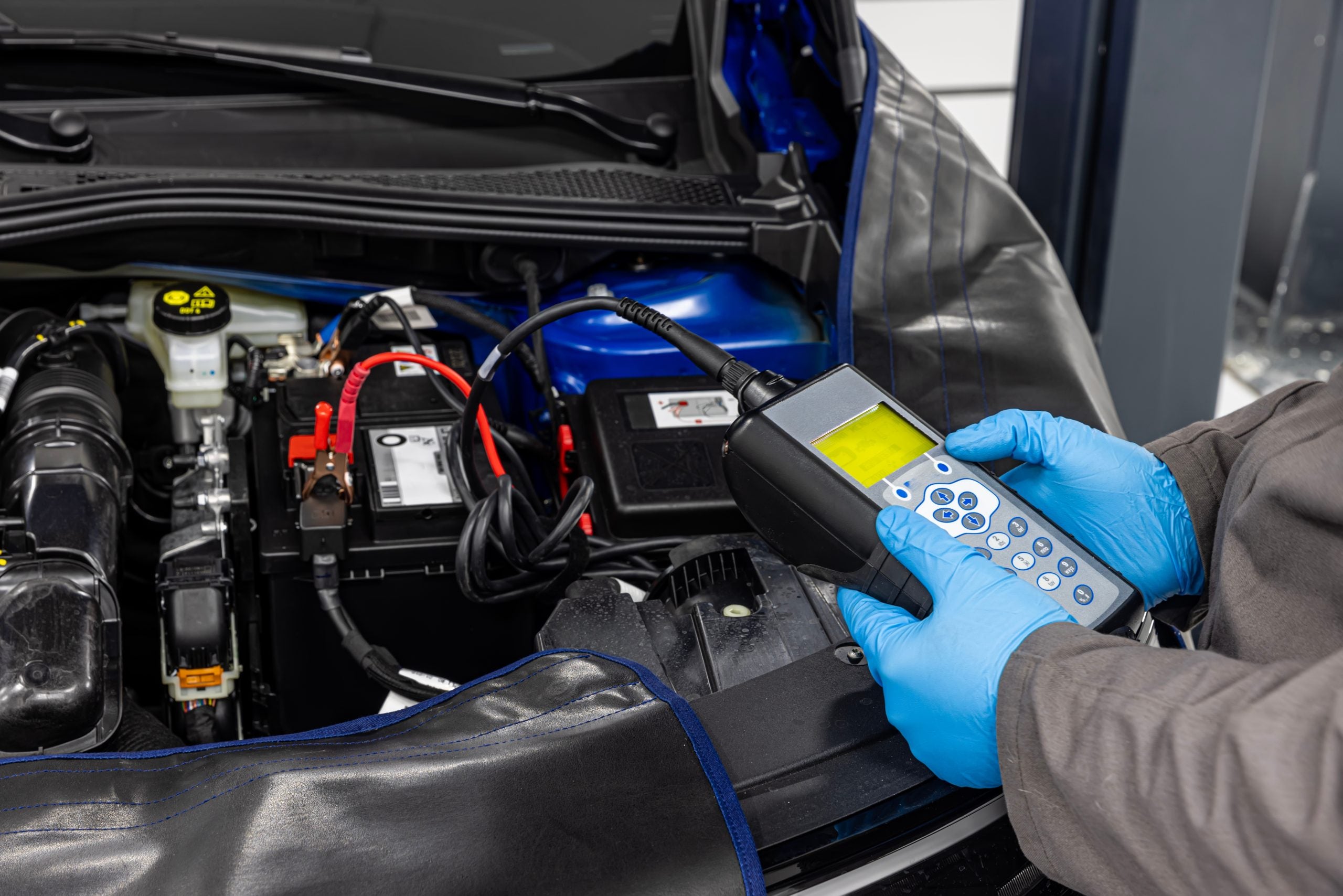
Learn the signs of battery failure and how to extend your battery's lifespan with expert tips from Dennis Sneed Ford Schedule Battery Test Contact Service Ever been stuck because your car wouldn't start when you needed it most? You're not alone. Batteries are a big reason for breakdowns on the road, but most people don't think about them until it's too late. At Dennis Sneed Ford in Gower, Missouri, we think knowing is key. Knowing how long your battery will last can save you from unexpected problems. It keeps you safe and moving on the road. Average Battery Lifespan Most car batteries last three to five years under normal driving conditions. However, factors like driving habits, maintenance, and Missouri's extreme weather can significantly affect your battery's longevity. We've made this guide to help you spot problems early and understand what affects your battery. Our team is here to keep you informed and your car running smoothly, no matter what Missouri's roads bring. Understanding Average Car Battery Lifespan At Dennis Sneed Ford in Gower, Missouri, we help hundreds of customers each year understand their battery's expected lifespan. Knowing what to expect from your battery helps you plan ahead and avoid inconvenient breakdowns. The average car battery lifespan varies based on several important factors we'll explore in this section. We believe informed drivers make better decisions about their vehicle maintenance. That's why our service team takes time to explain battery performance and answer your questions. Let's dive into what you can realistically expect from your car's battery. Typical Battery Lifespan in Years The average car battery lifespan typically ranges from three to five years under normal driving conditions. However, we've seen batteries at our service center last anywhere from just one year to as long as six years. The variation depends on climate, driving habits, and how well the battery is maintained. Most quality batteries will perform reliably for at least three years. After this milestone, we strongly recommend scheduling regular battery testing at Dennis Sneed Ford. Our advanced diagnostic equipment can detect declining performance before you experience starting problems. Minimum Lifespan 1-2 years in extreme conditions or with poor maintenance Average Lifespan 3-5 years under normal driving conditions with regular care Maximum Lifespan 5-6 years with optimal maintenance and moderate climate Some batteries exceed expectations and continue working effectively for five or even six years. These longer-lasting batteries usually belong to vehicles that receive consistent maintenance and operate in moderate climates. We're always happy to test your battery free of charge to give you peace of mind. Understanding Your Battery Warranty Period Most quality car batteries come with warranties that provide valuable protection for your investment. The typical car battery warranty period includes a free replacement window of about three years. Understanding these warranty terms helps you maximize your coverage. Warranty coverage generally falls into two categories: free replacement and prorated replacement. During the free replacement period, if your battery fails testing, the manufacturer provides a brand-new battery at no cost. After this period ends, prorated coverage means you'll pay a percentage based on how long you've owned the battery. We encourage all our customers to keep their warranty documentation in a safe place. When you bring your vehicle to Dennis Sneed Ford for battery service, having this paperwork allows our team to process warranty claims quickly and efficiently. This can save you significant money on a replacement battery. Our expert technicians at Dennis Sneed Ford provide comprehensive battery testing and service Warning Signs Your Battery Is Failing Recognizing the early signs of a failing car battery helps you address problems before they leave you stranded. We always tell our customers not to wait until their car won't start to think about battery replacement. Paying attention to these warning signs can prevent frustrating breakdowns. Your vehicle communicates battery problems through various symptoms. Learning to identify these signals means you can schedule service at your convenience rather than dealing with an emergency. Let's look at the most common indicators that your battery needs attention. Slow Engine Crank A healthy battery starts your engine quickly and smoothly with a strong, confident turn. When your battery begins failing, you'll notice the engine cranks more slowly than usual. The starter may sound labored, or you might hear clicking, grinding, or buzzing noises. This sluggish cranking happens because the weakened battery can't deliver enough power to turn the engine over efficiently. Cold mornings often make this problem more noticeable. If you experience slow cranking, bring your vehicle to our Gower service center right away for testing. Dimming Headlights and Electrical Issues Your battery powers all electrical components in your vehicle. When it weakens, you'll notice dimming headlights, especially while idling at stop lights. The lights may brighten when you press the accelerator, indicating the alternator is compensating for a weak battery. Other electrical problems often accompany battery failure. You might experience flickering interior lights, slow-moving power windows, or erratic behavior from your radio and air conditioning system. These issues stem from inconsistent power delivery from a dying battery. Slow Engine Crank Engine turns over slowly with clicking, grinding, or buzzing sounds Dimming Lights Headlights dim at idle and brighten when accelerating Dashboard Warning Light Battery symbol illuminates indicating charging system issues Electrical Malfunctions Flickering interior lights, slow windows, erratic radio behavior Dashboard Warning Light Modern vehicles include a battery warning light on the dashboard, typically shaped like a battery symbol. When this light illuminates while driving, it indicates your charging system isn't working properly. This could mean battery failure, alternator problems, or loose connections. Never ignore a battery warning light. While it might seem minor, this indicator warns you of potentially serious electrical issues. The light may come on intermittently at first, then stay illuminated as the problem worsens. If you see this warning light, schedule an appointment with our service team immediately. Additional Warning Signs Additional warning signs include visible corrosion around battery terminals (white or bluish residue), cracks or bulges on the battery casing, and a pungent rotten-egg smell indicating a sulfuric acid leak. Any of these symptoms requires immediate professional attention at Dennis Sneed Ford. Key Factors That Impact Your Battery's Longevity Many things affect how long your car battery lasts. Some things you can't control, but knowing what impacts battery life helps you make better choices. We'll look at the main factors that affect battery life, especially for our Gower, Missouri customers. Cold Missouri Winters and Battery Performance Cold weather is a big problem for batteries in northwest Missouri. When it's below freezing, your battery loses up to 35% of its power. This makes starting your car harder during those frigid winter mornings. Cold weather also makes your engine oil thicker, requiring more effort from the starter to turn the engine. At the same time, the battery's chemical reactions slow down. This is why cars often struggle to start in the cold. Many batteries that seem fine in fall reveal their weaknesses when winter arrives. Hot Summer Temperatures Hot weather actually causes more damage to batteries than cold. Heat speeds up the chemical reactions inside your battery, leading to faster wear. High temperatures also cause the electrolyte fluid to evaporate faster, potentially exposing the internal plates. Missouri summers are hot, speeding up corrosion inside your battery. This damage adds up over time, shortening your battery's life. Many batteries that fail in winter actually got damaged in the summer—the heat weakened the battery, and the cold revealed the problem. Weather Condition Effect on Battery Power Loss Recommendation Extreme Cold (Below Freezing) Slowed chemical reactions, thicker oil Up to 35% Test battery before winter Extreme Heat (90°F+) Accelerated corrosion, fluid evaporation Permanent damage Park in shade, check fluid levels Moderate Climate (50-80°F) Optimal performance Minimal Regular maintenance Your Driving Habits Matter How you drive and use your car affects your battery's life. Your alternator recharges the battery when the engine is running. But it needs enough time to fully recharge after starting. Short trips don't give your alternator enough time to recharge the battery fully. This leads to sulfation buildup on the battery plates, reducing capacity over time. The battery works harder with each start but never gets fully recharged. Car batteries also face challenges when not used for a long time. Even when parked, your car draws power to keep systems running. If your car sits for weeks without running, the battery drains until it can't start the engine. We recommend taking a 30-40 minute drive weekly if your car doesn't get regular use. Regular battery maintenance can extend your battery's life and prevent unexpected breakdowns Proper Maintenance and Care Tips Simple preventive maintenance can extend your car battery's life. Regular care can add years to your battery's service life and prevent breakdowns. These tips don't need special tools or expertise—just a little time and attention. Terminal corrosion is a common problem we see at Dennis Sneed Ford. The white, crusty buildup around the terminals reduces electrical flow. You can clean this corrosion yourself using a baking soda and water solution, along with an old toothbrush or wire brush. Keep your battery connections tight and secure. Loose connections create resistance and prevent proper charging. Avoid using accessories like the radio, air conditioning, or phone chargers when your engine isn't running, as this puts direct strain on the battery without the alternator's support. Maintenance Task Frequency Why It Matters DIY or Professional Clean battery terminals Every 3-6 months Removes corrosion that blocks electrical flow DIY with baking soda solution Check cable connections Every 3-6 months Ensures tight connections for proper charging DIY with basic wrench Battery load test Every 6-12 months Identifies weakness before complete failure Professional at Dennis Sneed Ford Inspect for damage or leaks Every 3 months Catches physical problems early DIY visual inspection If you store a vehicle for a long time, consider using a trickle charger. These devices provide a slow, steady charge that prevents the battery from draining completely. We also recommend parking in a garage when possible, as this protects your battery from extreme temperatures. Schedule regular battery inspections at Dennis Sneed Ford at least twice yearly. Our technicians can perform load tests that show how much capacity your battery retains and predict when replacement might be needed. This proactive approach helps you avoid unexpected failures and plan for replacement on your schedule. Trust Our Team at Dennis Sneed Ford for Expert Battery Service Our team at Dennis Sneed Ford in Gower, Missouri is ready to help. We offer free battery testing to check your car's electrical health. This service gives you peace of mind and helps you avoid unexpected breakdowns. We can accurately diagnose and replace your battery. Our service center has quality batteries at competitive prices. Every installation comes with a warranty to protect your investment. Wondering when to replace your car battery? We suggest checking it after three years. You can do this during your oil change. It saves time and prevents emergencies. Our friendly team is ready to help. We'll tell you if your battery needs a replacement or just maintenance. Schedule an appointment online, call us, or visit our Gower service center today. Regular battery care keeps you safe on Missouri's roads. Let us help you stay reliable with proactive testing and expert service. Schedule Service Contact Us Frequently Asked Questions How long does a car battery typically last? Batteries usually last 3-5 years under normal driving conditions. However, at Dennis Sneed Ford we've seen batteries last anywhere from 1-6 years depending on climate, maintenance, and driving habits. After 3 years, we recommend regular testing to check if your battery is still performing well. What are the signs that my car battery is failing? Look out for slow engine crank, dim headlights, flickering interior lights, and erratic power accessory behavior. A dashboard battery warning light is also a clear indicator. If you notice any of these signs, visit Dennis Sneed Ford for a free battery test. When should I replace my car battery? Replace your battery if it's over 3-5 years old, shows signs of failure, or fails a load test. Our Gower, Missouri service team can tell you if your battery needs replacement or just maintenance during a quick inspection. How does cold weather affect my car battery performance? Cold weather causes batteries to lose up to 35% of their power and makes engine oil thicker, requiring more effort to start. This combination is why we see more battery failures in winter. Regular testing before the cold season helps prevent being stranded. Does hot weather damage car batteries? Yes, heat actually damages batteries more than cold. High temperatures speed up chemical breakdown, cause fluid evaporation, and accelerate internal corrosion. Summer maintenance is just as important as winter care for extending your battery's life. What car battery maintenance tips can extend battery life? Clean terminals regularly, keep connections tight, avoid using accessories when the engine is off, and take longer drives to allow full recharging. Schedule regular inspections at Dennis Sneed Ford—a little preventive care goes a long way in extending battery life. How do driving habits affect battery life? Short trips don't give your alternator enough time to fully recharge the battery, leading to sulfation buildup and reduced capacity. We recommend longer drives of 30-40 minutes weekly to keep your battery healthy, especially if you don't drive regularly. What services does Dennis Sneed Ford offer for car batteries? We offer free battery testing, professional diagnosis, quality battery installation with warranty protection, and regular maintenance services. Visit our Gower service center for comprehensive battery care and expert advice on keeping your vehicle running reliably.
How to Change Your Oil: A Step-by-Step Guide
Learn to save money and care for your car with this complete DIY oil change guide Schedule Service View Service Specials Ever thought about saving money and caring for your car at the same time? Learning to change your oil yourself is a smart choice for car owners. We're excited to share a complete guide on how to do a DIY oil change that's easy to follow, whether you're new to it or need a refresher. At Dennis Sneed Ford in Gower, Missouri, we think knowing how to care for your car is empowering. Our service center can change your oil for you, but knowing how helps you bond with your vehicle. This guide will show you how to get started, from gathering tools to doing safety checks. Complete DIY Oil Change Guide You'll learn about different oil types, how to safely drain the oil, and how to replace filters. By the end, you'll feel confident in keeping your engine in top shape between visits to our dealership. Your vehicle's owner's manual is key to a successful oil change. It tells you about oil capacity, viscosity, filter numbers, and safe jacking points. Keep it close by while you work through each step of the process. What You'll Need for Your DIY Oil Change Having everything ready can make your oil change smooth. It's all about being prepared. We'll show you what tools, oil, and filters you need before starting. Gathering your supplies ahead of time ensures a seamless experience. Gathering Your Tools and Supplies You'll need some important items for a safe oil change. A floor jack and jack stands are essential for lifting your car. Never use a jack alone, as it's very dangerous. A big drain pan is needed to catch the old oil—most cars hold five to seven quarts, so pick a pan that can hold at least that. Floor Jack & Jack Stands Essential for safely lifting and supporting your vehicle while you work underneath Drain Pan & Socket Wrench Catch old oil and remove the drain plug with the right size socket (13mm, 14mm, or 15mm) Filter Wrench & Funnel Remove the old filter easily and add new oil without spills Don't forget rags or paper towels for cleaning up, and wear gloves and safety glasses for protection. Having all these tools ready before you start makes the process much smoother and safer. Understanding Motor Oil Options Choosing the right motor oil depends on your car and how you drive. The manual will tell you the recommended viscosity, like 5W-30 or 10W-40. These numbers affect how the oil works at different temperatures, which is important for your engine and fuel efficiency. You can pick from conventional, synthetic blend, or full synthetic oil. Each has its own benefits and cost considerations. Conventional oil is good for older cars and regular driving. Synthetic blends offer better protection at a moderate price. Full synthetic oil is best for extreme temperatures and tough driving conditions. Oil Type Best For Temperature Performance Change Interval Conventional Older vehicles, light-duty use, budget-conscious drivers Adequate in normal conditions 3,000-5,000 miles Synthetic Blend Newer vehicles, moderate driving demands, balanced protection Better high-temp resistance 5,000-7,500 miles Full Synthetic High-performance engines, extreme conditions, maximum protection Excellent in heat and cold 7,500-10,000+ miles If you're not sure what oil is best for your car, our team at Dennis Sneed Ford in Gower, Missouri can help. We know what different vehicles need and can recommend the perfect match for your driving conditions. Finding the Right Filter Every oil change needs the right filter for your car. Filters come in different sizes, thread patterns, and filtration levels. The wrong filter can cause problems like poor oil flow or leaks. Your manual will tell you the correct filter part number, or you can check with our parts department for an OEM-quality filter. Before putting in the new filter, apply a bit of oil to the rubber O-ring. This helps the filter seal properly and makes it easier to remove next time. Choosing the right filter is as important as picking the right oil for your engine's health. Having the right tools ready makes your DIY oil change smooth and efficient How to Change Your Oil: Step-by-Step Instructions Are you ready to do your first oil change? We'll walk you through each step to make sure you do it right. Changing your oil might seem tough at first, but many people do it at home successfully. Always put safety first, take your time, and double-check your work. If you're unsure at any point, Dennis Sneed Ford's experts are here to help. Prepare Your Vehicle and Workspace Before you start, make sure your workspace is safe. Park on a level surface and engage the parking brake. A level surface helps with oil level checks and prevents the car from moving. If your engine is cold, warm it up for 2-3 minutes. Warm oil drains better than cold oil, but don't let it get too hot to avoid burns. Check your owner's manual for the right jack points. Use a floor jack to lift the car, then place jack stands under the frame. Make sure the car is stable before you start. Never get under a car supported only by a jack—jacks can fail, and it's dangerous. Jack stands add the extra safety you need. Open the hood and find the oil fill cap. Remove it to let air in, which helps the old oil drain better. Put your tools within reach under the car before you begin. Always secure your vehicle on jack stands before working underneath Drain the Old Engine Oil Slide under the car with your drain pan and socket wrench. Find the oil drain plug at the bottom of the oil pan—it's usually a bolt at the lowest point. You'll need a 13mm, 14mm, or 15mm socket, depending on your car. Place your drain pan under the plug, positioned a bit forward since oil flows at an angle at first. Use your socket wrench to loosen the plug by turning counterclockwise. Then remove the wrench and finish unscrewing by hand. Keep pressure on the plug as you remove the last threads and pull it out quickly to avoid dropping it into the oil. Let the oil drain completely—this takes 5-10 minutes, depending on your engine and oil temperature. You'll know it's done when the flow slows down to drips. Check the drain plug's threads and washer for damage and replace if needed. Some cars use a crush washer that needs replacement with each oil change. Position your drain pan correctly and allow the old oil to drain completely Replace the Oil Filter While the oil drains, find your oil filter. It might be above or below your engine. Place your drain pan under the filter since it holds about one cup of oil. Try to loosen the oil filter by hand first. If it's too tight, use an oil filter wrench. Once loose, remove it by hand, tipping the open end up to prevent spills. Look at the engine's filter mounting plate carefully. The rubber O-ring from the old filter must come off with it. If you install a new filter without removing the old O-ring, you'll have a leak. Clean the mounting surface with a clean rag. Take your new oil filter and find its rubber O-ring. Dip your finger in fresh motor oil and run it around the O-ring. This helps it seal better and makes removal easier next time. Thread the new filter onto the mounting plate by hand, turning clockwise. Never use a filter wrench to install a filter. Tighten it until the O-ring contacts the engine, then follow the filter's instructions—most need three-quarters to one full turn after contact. Apply fresh oil to the new filter's O-ring before installing by hand Add Fresh Motor Oil With the new filter on, go back to the drain plug. Clean the plug threads and oil pan threads with a shop towel. Check the drain plug for thread damage. Hand-thread the plug into the oil pan, turning clockwise. Thread it in as far as you can by hand to avoid cross-threading. Use your socket wrench to tighten the drain plug firmly but don't overtighten—you can strip the threads or crack the oil pan. If your owner's manual gives a torque value, use a torque wrench. Most drain plugs need 25-35 foot-pounds of torque. Move to the top of your engine and find the oil fill opening. Put your funnel in the opening. Check your owner's manual for how much oil you need—usually 4-6 quarts, depending on your engine. Pour in about three-quarters of the oil slowly, then add the rest in half-quart increments. It's better to add small amounts and check often than to overfill. Once you've added the right amount, put the oil fill cap back on and make sure it's tight. Use a funnel to add fresh oil slowly, checking the level frequently Check Oil Level and Inspect for Leaks Start your engine and let it run at idle for 30-60 seconds. Watch your dashboard—the oil pressure warning light should turn off soon. If it doesn't, turn off the engine and check for problems. While the engine runs, check the drain plug and oil filter for leaks. Look for drips or wet spots. A little oil on the outside is okay, but active dripping means a problem. After confirming no leaks, turn off the engine and wait 30-60 seconds for the oil to drain back into the oil pan. Remove the dipstick completely and wipe it clean. Put the dipstick back in and pull it out again right away. Check where the oil level falls on the dipstick markings—it should be between the "Add" and "Full" marks, ideally near the full line. If the level is low, add oil in quarter-quart increments, waiting a moment between additions and checking again. Never overfill your engine—too much oil can damage seals and increase crankcase pressure. Once you've confirmed the right oil level and no leaks, remove your jack stands and carefully lower your vehicle. Verify the oil level is between the "Add" and "Full" marks on your dipstick Quick Reference: Oil Change Steps at a Glance Use this handy reference table to guide you through each phase of your oil change. Each step includes key actions, safety precautions, and estimated time to help you plan your DIY maintenance session. Oil Change Step Key Actions Safety Caution Estimated Time Prepare Vehicle & Workspace Park on level surface, raise vehicle, secure with jack stands, remove oil fill cap Never work under vehicle supported only by jack; always use jack stands 10-15 minutes Drain Old Engine Oil Remove drain plug, allow complete drainage, inspect plug and washer Oil may be hot; keep firm grip on drain plug to prevent dropping into oil 10-12 minutes Replace Oil Filter Remove old filter, clean mounting surface, lubricate new O-ring, install hand-tight Verify old O-ring removed from engine; don't overtighten new filter 5-8 minutes Add Fresh Motor Oil Reinstall drain plug to spec, pour correct oil amount through funnel, secure fill cap Don't overtighten drain plug; avoid overfilling engine with oil 8-10 minutes Check Level & Inspect for Leaks Run engine 30-60 seconds, check for leaks, verify proper oil level on dipstick Oil pressure light should turn off within seconds; shut down if it remains on 5-8 minutes Congratulations on completing your DIY oil change! Write down the date, mileage, and type of oil used in your maintenance log. This helps you remember when your next oil change is due. Oil Change Frequency and Maintenance Tips Maximizing engine life depends on three key factors: knowing when to change your oil, choosing the right oil type, and disposing of used oil properly. These tips help you care for your engine effectively, ensuring your vehicle runs well and saving you money over time. When Should You Change Your Oil? The old "every 3,000 miles" rule is outdated for most cars today. Modern engines and better oils mean many vehicles can go much farther without needing an oil change. Check your owner's manual for the recommended interval, which is usually between 5,000 to 10,000 miles. However, these guidelines assume normal driving. If you drive under severe conditions, you'll need to change your oil more often. Severe service includes short trips, stop-and-go traffic, extreme temperatures, and dusty conditions. If you drive in these conditions, follow the more frequent schedule in your manual. At Dennis Sneed Ford in Gower, Missouri, our advisors consider your driving habits and vehicle needs. We help you find the best oil change interval for your engine's protection and your schedule. Which Oil Type Is Best for Your Vehicle? The debate between synthetic and conventional oil focuses on performance, protection, and cost. Conventional oil is refined from crude petroleum and works well for many vehicles. It's less expensive and suitable for regular driving. Older vehicles and those with simpler engines often do well with conventional oil. Synthetic oil is made to perform better in tough conditions. It flows better in cold weather, resists breakdown in heat, and lasts longer. Synthetic oil also offers better engine protection and can improve fuel efficiency slightly. Synthetic blend oils mix conventional and synthetic base stocks, offering some synthetic benefits at a lower cost. Oil Type Best For Change Interval Cost Level Conventional Older vehicles, simple engines, normal driving conditions 3,000-5,000 miles Lowest Synthetic Blend Moderate performance needs, budget-conscious drivers 5,000-7,500 miles Moderate Full Synthetic Newer vehicles, high-performance engines, extreme conditions, towing 7,500-15,000 miles Highest We usually recommend synthetic oil for newer vehicles, turbocharged engines, and extreme conditions. While it costs more upfront, its longer change intervals and superior protection can save you money in the long run. How to Dispose of Used Oil Properly Used motor oil is hazardous waste and must be disposed of correctly to protect the environment. Improper disposal can contaminate large amounts of groundwater. Never pour used oil down drains, onto the ground, or in trash containers. Seal & Store Transfer drained oil into a sealed container with a tight-fitting lid to prevent spills Find Drop-Off Locations Many auto parts stores and recycling centers accept used oil for free Dispose of Filters Drain filters for 12+ hours before taking them to facilities that accept used oil Our service center at Dennis Sneed Ford follows all environmental regulations for oil disposal and recycling. We're dedicated to protecting our community's environment and help local DIY mechanics find responsible recycling options in Gower, Missouri. Keep Your Vehicle Running Smoothly with Dennis Sneed Ford This guide should make you feel ready to replace your engine oil. At Dennis Sneed Ford in Gower, Missouri, we want to help you keep your car in top shape. Not everyone can do their own car maintenance, and that's where our team comes in. Our service center has top-notch equipment and certified technicians for quick, safe oil changes. When you come to us, we use the best oils and filters. We also do a free multi-point inspection, checking fluids, belts, brakes, and tires to find issues early. Our service department makes scheduling easy and prices clear. We only suggest services you really need. Whether you like to fix things yourself or need our help, we're here for you. Visit Dennis Sneed Ford in Gower, Missouri, or call us to book your next service. We're dedicated to meeting your car's needs. Your vehicle deserves the best care, whether at home or at our service center. Schedule Service View Service Specials Frequently Asked Questions How often should I change my oil? The frequency of oil changes depends on your vehicle, oil type, and driving habits. Modern vehicles and synthetic oils may need changes every 5,000 to 10,000 miles. Always check your owner's manual for the recommended interval. If you drive under harsh conditions, you might need to change your oil more often. At Dennis Sneed Ford in Gower, Missouri, we can help you find the best schedule for your vehicle and driving habits. What's the difference between synthetic and conventional oil? Conventional oil is refined from crude oil and works well for many standard engines. Synthetic oil is engineered at the molecular level and provides superior engine protection, especially in extreme temperatures, while lasting longer between changes. Synthetic blend oils offer a middle ground with some synthetic benefits at a more affordable price. We recommend synthetic oil for newer vehicles, high-performance engines, and those used for towing. Can I use any oil filter for my vehicle? No, you need the specific oil filter designed for your vehicle's make, model, and engine type. Using the correct filter ensures proper oil flow and filtration efficiency to protect your engine. Your owner's manual will have the part number, or you can check with our parts department at Dennis Sneed Ford to ensure you're getting an OEM-quality filter that meets manufacturer specifications. Is it safe to change my own oil at home? Yes, changing your own oil can be safe if you follow proper procedures and take necessary precautions. Always use a floor jack and jack stands rated for your vehicle's weight—never rely on a jack alone to support your vehicle while you're underneath. Work on a level surface, engage the parking brake, and wear safety glasses and gloves. If you're uncomfortable working under your vehicle, we're always here at Dennis Sneed Ford to perform the service safely and professionally. How much oil does my vehicle need? The amount of oil your vehicle needs varies by engine size and design, typically ranging from 4 to 6 quarts, though some larger engines may require more. Your owner's manual will specify the exact capacity for your vehicle. When adding oil, pour slowly and check the level frequently with your dipstick—it's better to add a little at a time than to overfill. What tools do I need for a DIY oil change? For a successful oil change, you'll need a floor jack and jack stands to safely elevate your vehicle, a drain pan large enough to catch 5-7 quarts of oil, a socket wrench set or the correct size wrench for your drain plug, oil filter pliers or a filter wrench, a funnel for adding new oil, and plenty of rags or paper towels for cleanup. We also recommend wearing gloves and safety glasses for protection. How do I dispose of used motor oil properly? Used motor oil should never be poured down drains, dumped on the ground, or thrown in the trash. Instead, pour your used oil into a sealable container, such as empty oil bottles. Many auto parts stores, quick-lube facilities, and recycling centers accept used oil free of charge. Used oil filters should also be properly disposed of at these same facilities. What viscosity oil should I use in my vehicle? Your vehicle's owner's manual will specify the recommended oil viscosity, such as 5W-30 or 10W-40. The viscosity rating indicates how the oil flows at different temperatures, which affects engine protection and fuel efficiency. Using the correct viscosity ensures your engine receives proper lubrication in all conditions. If you're unsure, our team at Dennis Sneed Ford can help you identify the perfect match. Why should I warm up my engine before changing the oil? Running your engine for a few minutes before draining the oil helps warm it slightly, making it flow more easily and drain more completely from the oil pan and engine components. Warm oil is thinner and removes more contaminants and sludge when drained. However, be careful not to let the oil get too hot, as this can cause burns. How tight should I tighten my oil drain plug? Your drain plug should be tightened to the torque specification listed in your owner's manual, typically between 20-30 foot-pounds for most vehicles. After hand-tightening the plug, use your socket wrench to tighten it firmly—but be careful not to overtighten, as this can strip the threads in your oil pan or damage the plug itself. What should I do if I see oil leaking after my oil change? If you notice oil leaking after completing your oil change, shut off the engine immediately and identify the source of the leak. Common leak points are the drain plug and oil filter. If the drain plug is leaking, it may need to be tightened slightly more. If the oil filter is leaking, check that the old filter's O-ring didn't stick to the engine mounting surface and that the new filter is properly tightened. If you cannot identify or fix the leak, bring your vehicle to Dennis Sneed Ford where our certified technicians can diagnose and repair the issue. Do I need to reset my oil life monitor after changing my oil? Yes, if your vehicle has an oil life monitoring system, you'll need to reset it after completing your oil change. The reset procedure varies by make and model, so consult your owner's manual for specific instructions. Resetting the system ensures it accurately tracks your next oil change interval. Our service team at Dennis Sneed Ford can show you the process for your specific vehicle. Should I change my oil filter every time I change my oil? Yes, we strongly recommend replacing your oil filter with every oil change. The oil filter traps contaminants, dirt, and metal particles that accumulate as your engine runs. Over time, these contaminants can clog the filter, reducing its effectiveness. A new filter ensures optimal filtration and protects your engine investment. What happens if I overfill my engine with oil? Overfilling your engine with oil can cause several problems. Excess oil can create foaming as the crankshaft whips through the higher oil level, reducing the oil's lubricating properties. This can lead to inadequate lubrication, increased engine temperatures, and potential damage to engine components. If you discover you've overfilled your engine, drain the excess oil until the level reads correctly on the dipstick. Can I mix different brands or types of motor oil? While you can technically mix different brands of the same oil type and viscosity in an emergency, we don't recommend it as a regular practice. Different brands may use different additive packages that could interact unpredictably. For optimal engine protection and performance, use a single type and brand of oil that meets your vehicle manufacturer's specifications.
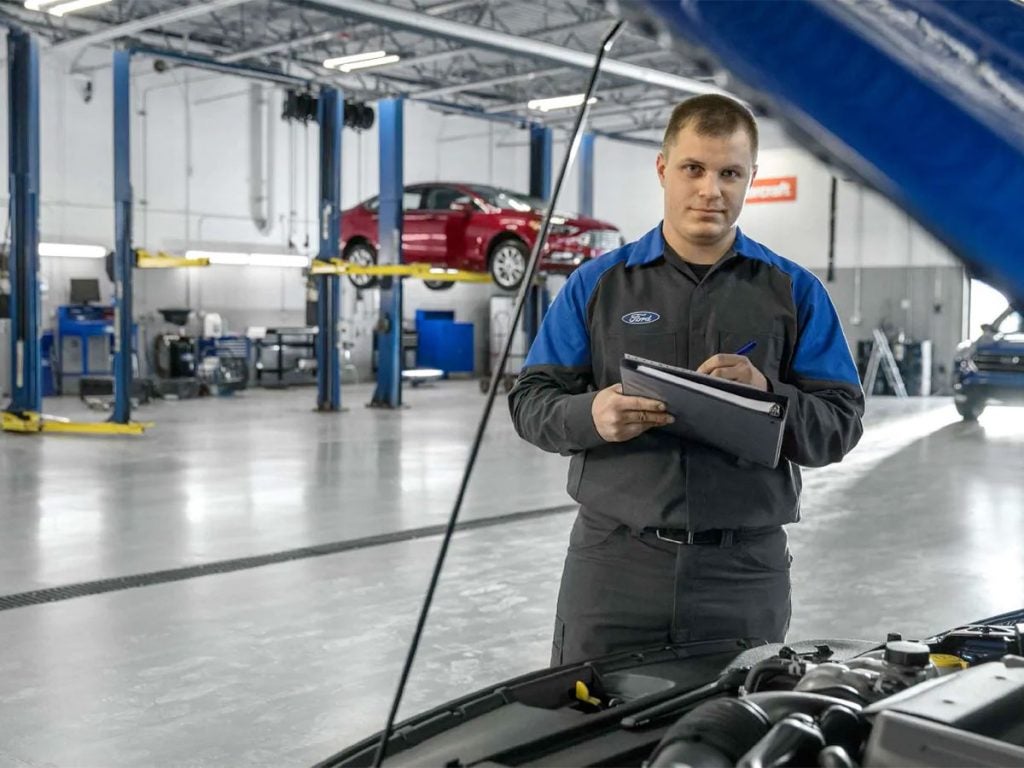
What should I look for when buying a used Ford truck?
Your Complete Inspection Checklist Make a confident purchase with our comprehensive guide covering everything from exterior inspection to documentation review. Know exactly what to look for when buying your next used Ford truck. Learn More View Inventory When you're in the market for a reliable used Ford truck, knowing what to inspect can save you thousands of dollars and years of headaches. Whether you're shopping at Dennis Sneed Ford or browsing other dealerships, having a comprehensive buying used Ford truck checklist ensures you make an informed decision that serves you well for years to come. Ford trucks have earned their reputation as America's best-selling trucks for over four decades. Models like the F-150, F-250, and F-350 offer exceptional durability, strong resale value, and proven performance across various applications. Key Benefits of Used Ford Trucks When properly maintained, Ford trucks can easily surpass 200,000 miles, making them excellent investments in the used truck market. With exceptional durability, strong resale value, and proven performance across various applications, a well-chosen used Ford truck delivers reliable service for years to come. This comprehensive guide walks you through every essential inspection point, from exterior body condition to engine performance testing. By the end, you'll have the knowledge and checklist needed to confidently evaluate any used Ford truck and make the best purchase decision for your needs. Essential Exterior Inspection Points Your exterior inspection sets the foundation for understanding how a truck has been treated and maintained. Taking time for a thorough walk-around in good lighting reveals crucial information about the vehicle's history and potential future reliability. Body and Paint Condition Start your inspection by walking around the entire vehicle in good lighting. A systematic approach ensures you don't miss critical details that could indicate problems or past damage. Look for rust spots or corrosion, especially around wheel wells, door frames, and the truck bed. These areas are particularly vulnerable to moisture damage. Check for dents, scratches, or collision damage that might indicate poor maintenance or accidents. Pay special attention to paint consistency - mismatched colors could signal bodywork or accident repairs. Finally, examine panel alignment carefully - gaps between doors, hood, and tailgate should be uniform throughout. Rust Inspection Focus on wheel wells, door frames, and truck bed for early signs of corrosion Paint Analysis Look for color mismatches indicating previous bodywork or repairs Panel Alignment Check uniform gaps between all body panels for accident history Truck Bed Assessment The truck bed often reveals how the vehicle was used throughout its life. Heavy commercial use, recreational towing, or careful personal ownership all leave distinct wear patterns that tell a story about the truck's history. Check for excessive wear, dents, or holes in the bed liner that might indicate heavy hauling or abuse. Inspect the tailgate operation and latch mechanism to ensure smooth functionality. Look for signs of heavy hauling damage or chemical spills that could have caused structural issues. Finally, examine tie-down points and bed rail condition, as these components face significant stress during use. Thorough inspection ensures your used Ford truck investment delivers years of reliable service Critical Interior Evaluation The interior condition provides valuable insights into how well the previous owner maintained the vehicle. Beyond simple wear and tear, the cabin reveals maintenance habits and potential electrical or mechanical issues. Cabin Comfort and Functionality Step inside and assess the overall condition systematically. Start by testing all seats for wear, tears, and proper adjustment mechanisms. Every seat should move smoothly through its full range of motion without binding or excessive play. Check that all electrical components work properly, including lights, radio, air conditioning, and power windows. Modern Ford trucks have numerous electrical systems, and repairs can be expensive. Inspect the dashboard for cracks or excessive wear that might indicate sun damage or age. Finally, verify that all gauges and warning lights function properly - a simple key-on test should illuminate all warning lights briefly. Technology and Features Modern Ford trucks come equipped with various technology features that enhance both comfort and functionality. These systems require careful testing to ensure proper operation. Test the infotainment system and connectivity options thoroughly. Check USB ports, charging capabilities, and Bluetooth functionality to ensure all connections work properly. Verify that any premium features like heated seats, navigation systems, or advanced driver assistance systems operate correctly. These features significantly impact the truck's value and your daily driving experience. Inspection Area What to Check Red Flags Seats & Upholstery Wear, tears, adjustment mechanisms Excessive wear, non-functioning adjustments Electrical Systems All lights, windows, locks, mirrors Multiple non-functioning components Dashboard Cracks, wear, gauge functionality Warning lights staying on, non-working gauges HVAC System Heating, cooling, fan speeds Weak airflow, unusual odors, no temperature control Technology Features Infotainment, USB, Bluetooth System freezes, connectivity issues Engine and Mechanical Inspection The mechanical condition ultimately determines whether a used truck will provide reliable service or become a money pit. A thorough mechanical inspection, combined with a comprehensive test drive, reveals the truck's true condition. Under the Hood Examination Pop the hood and look for key indicators of maintenance and potential problems. Start by checking all fluid levels and conditions - oil should be relatively clean without metal particles, and coolant should be clear without oil contamination. Examine belt and hose conditions carefully, looking for cracks, fraying, or excessive wear that might indicate upcoming maintenance needs. Check the battery condition, including terminals for corrosion and secure connections. Finally, assess overall engine bay cleanliness - excessive dirt or oil residue may indicate poor maintenance or developing leaks. Fluid Analysis Check oil, coolant, brake fluid, and transmission fluid for proper levels and condition Belt & Hose Inspection Look for cracks, wear, or signs of impending failure Engine Bay Condition Clean engine bay indicates good maintenance habits Performance Testing During your test drive, pay close attention to how the truck performs under various conditions. The test drive reveals issues that static inspection might miss. Monitor engine startup - it should turn over quickly and idle smoothly without unusual noises or vibrations. Test transmission shifting in automatic transmissions, which should shift seamlessly without slipping or harsh engagement. Evaluate steering responsiveness, checking for no excessive play or vibration at various speeds. Finally, test braking performance - the pedal should feel firm with no grinding sounds or pulling to either side. Tire and Suspension Check Tires and suspension components significantly impact both safety and future maintenance costs. These systems work together to provide a safe, comfortable ride, and problems in one area often affect the other. Tire Condition Analysis Tires tell a story about vehicle maintenance and alignment. Uneven wear patterns can indicate suspension problems, alignment issues, or neglected rotation schedules. Check tread depth using the penny test - Lincoln's head should be partially covered when inserted upside down into the tread. Look for even wear patterns across all tires, as uneven wear indicates alignment or suspension issues. Inspect sidewalls for cracks, bulges, or damage that could lead to dangerous blowouts. Verify that all tires match in brand and size, as mismatched tires can cause handling problems and drivetrain damage in four-wheel-drive models. Suspension System Evaluation A thorough suspension check reveals expensive potential repairs and impacts ride quality significantly. Ford trucks are known for durability, but suspension components wear over time, especially with heavy use. Conduct a visual inspection of shocks and struts for leaks or damage. Test for excessive bounce when pressing down on corners - the truck should settle quickly without continued bouncing. Listen for unusual noises when driving over bumps, as clunks or rattles indicate worn components. Check for proper vehicle height and level stance, as sagging can indicate worn springs or overloading history. Documentation and History Review Proper documentation provides crucial context for your physical inspection findings. A well-documented maintenance history often indicates a truck worth purchasing, even if it shows some wear. Essential Paperwork Always request and thoroughly review all available documentation before making a purchase decision. Start with a comprehensive vehicle history report from Carfax or AutoCheck, which reveals accident history, ownership changes, and reported maintenance. Examine maintenance records showing regular service intervals and major repairs. Consistent oil changes and scheduled maintenance indicate responsible ownership. Verify title status, ensuring clear ownership without liens or salvage history. Review any remaining warranty information, including factory warranties or extended service contracts that might transfer. Red Flags to Avoid Be cautious of vehicles with warning signs that indicate potential problems or dishonest sellers. Multiple previous owners in a short timeframe often indicates persistent problems. Flood damage or significant accident history can cause ongoing electrical and mechanical issues. Missing or incomplete maintenance records make it impossible to verify proper care. Be especially wary of unusually low prices that seem too good to be true - they usually indicate hidden problems or questionable history. Document Type What It Reveals Why It's Important Vehicle History Report Accidents, ownership, service records Identifies major issues and ownership patterns Maintenance Records Service intervals, repairs performed Confirms proper care and upcoming maintenance needs Title Documentation Legal ownership, liens, salvage status Ensures clean transfer and no hidden issues Warranty Information Coverage remaining, transferability Potential savings on future repairs Pre-Purchase Inspection Professional mechanical assessment Independent verification of condition Find your perfect used Ford truck with confidence using our comprehensive inspection guide Your Complete Buying Used Ford Truck Checklist Use this comprehensive checklist to ensure you don't miss any critical inspection points. Print it out and bring it along when viewing potential purchases. Exterior Inspection Body condition and paint consistency Rust or corrosion inspection Truck bed evaluation Light functionality test Interior Inspection Seat condition and adjustment mechanisms Electrical systems test Dashboard and gauge functionality Technology features verification Mechanical Inspection Engine inspection and test drive Transmission performance evaluation Brake system check Steering and suspension assessment Documentation Review Vehicle history report analysis Maintenance records review Title verification Warranty information check Why Consider Dennis Sneed Ford for Your Used Truck Purchase When shopping for a used Ford truck, working with a reputable dealer like Dennis Sneed Ford offers several distinct advantages that protect your investment and provide peace of mind. Dennis Sneed Ford offers certified pre-owned options with extended warranties, giving you additional protection beyond standard used vehicle purchases. Their professional inspection process ensures vehicle quality before trucks reach the lot. The dealership provides financing assistance to help secure competitive rates, making your purchase more affordable. Plus, they offer complete service history transparency, so you know exactly what you're buying. Final Recommendations Taking time to thoroughly inspect a used Ford truck before purchase protects your investment and ensures years of reliable service. Don't rush the process – a comprehensive evaluation using this buying used Ford truck checklist helps identify potential issues before they become expensive problems. Remember that even with careful inspection, having a trusted mechanic perform a pre-purchase inspection provides additional assurance. This small investment upfront can save thousands in unexpected repairs down the road. Whether you're hauling equipment for work, towing recreational vehicles, or simply need a dependable daily driver, following these guidelines helps ensure your used Ford truck purchase meets your needs and exceeds your expectations for years to come. Browse Inventory Schedule Test Drive Frequently Asked Questions What should I inspect first when buying a used Ford truck? Start with a thorough exterior inspection. Check the body for rust, dents, or mismatched paint, and evaluate the truck bed for signs of heavy use or damage. Ensuring the exterior is in good condition can save you costly repairs later. How important is the truck's maintenance history? Extremely important. Reviewing service records, vehicle history reports, and verifying previous ownership helps identify potential issues and ensures the truck has been properly maintained, giving you peace of mind. Which mechanical components should I test before purchasing? Key areas include the engine, transmission, brakes, steering, suspension, and tires. Conduct a test drive to check for smooth shifting, responsive handling, and any unusual noises or vibrations. Are certified pre-owned Ford trucks a better choice? Yes. Certified pre-owned trucks at dealers like Dennis Sneed Ford come with professional inspections, extended warranties, and transparent service histories, providing added confidence and protection for your purchase. Should I have a mechanic inspect the truck before buying? Absolutely. Even if the truck appears well-maintained, a professional pre-purchase inspection can uncover hidden issues and prevent unexpected repair costs, making it a worthwhile investment.
Which pickup trucks have the best longevity and durability records?
When shopping for a new pickup truck, one of the most important factors to consider is long-term reliability. Nobody wants to invest in a vehicle that will leave them stranded or require costly repairs down the road. At Dennis Sneed Ford, we understand that customers want to know which pickup trucks best longevity durability records can offer them years of dependable service. View Ford F-150 Inventory Why Longevity and Durability Matter in Pickup Trucks Pickup trucks are workhorses designed to handle demanding tasks, from hauling heavy loads to navigating challenging terrain. Unlike passenger cars, these vehicles often face harsh conditions that test their limits daily. That's why understanding which models have proven track records for reliability is crucial for making an informed purchasing decision. The best pickup trucks combine robust engineering, quality materials, and time-tested designs that can withstand the rigors of both work and daily driving. When evaluating pickup trucks best longevity durability records, several key factors come into play: Engine reliability and maintenance requirements Transmission durability under heavy loads Frame and body construction quality Electrical system dependability Parts availability and service support Top Pickup Trucks with Proven Longevity Records Ford F-150: America's Best-Selling Truck for Good Reason The Ford F-150 has dominated the pickup truck market for decades, and its reputation for durability is well-earned. At Dennis Sneed Ford, we've seen countless F-150s reach high mileage milestones with proper maintenance. Key durability features include: Military-grade aluminum alloy body construction High-strength steel frame Proven EcoBoost and V8 engine options ( compare to F-250) Advanced towing and payload capabilities ( learn more about towing) The F-150's aluminum body not only reduces weight but also resists corrosion better than traditional steel, contributing to its long-term durability. Many F-150 owners report trouble-free operation well beyond 200,000 miles. ( read about F-150 weight) Toyota Tacoma: Compact Reliability Champion The Toyota Tacoma has built an exceptional reputation for reliability in the mid-size pickup segment. Known for its ability to handle extreme conditions, the Tacoma consistently ranks among the most dependable trucks available. Notable durability aspects: Robust 4-cylinder and V6 engine options Proven 4WD systems for off-road reliability Corrosion-resistant construction Strong resale value retention Ford Super Duty Series: Heavy-Duty Dependability For those requiring maximum capability, Ford's Super Duty lineup (F-250, F-350, F-450) represents the pinnacle of heavy-duty truck durability. These vehicles are engineered to handle the most demanding commercial and recreational applications. Super Duty strengths include: Legendary Power Stroke diesel engines ( learn more) Commercial-grade chassis and drivetrain components Advanced trailer towing technologies Proven track record in fleet applications Factors That Impact Pickup Truck Longevity Regular Maintenance: The Foundation of Durability Even the most well-built pickup truck requires consistent maintenance to achieve maximum longevity. At Dennis Sneed Ford, we emphasize the importance of following manufacturer-recommended service intervals. Critical maintenance areas include: Regular oil changes with quality lubricants Transmission service and fluid changes Cooling system maintenance Brake system inspections and service Tire rotation and alignment Driving Habits and Usage Patterns How you use your pickup truck significantly impacts its long-term durability. Trucks used primarily for highway driving typically experience less wear than those subjected to constant stop-and-go traffic or heavy towing. Best practices for maximizing longevity: Allowing proper warm-up time in cold weather Avoiding excessive idling Using appropriate towing techniques Regular cleaning to prevent corrosion Addressing minor issues before they become major problems View Ford Super Duty Inventory What Makes Dennis Sneed Ford Different When researching pickup trucks' best longevity durability records, it's essential to work with a dealership that understands the importance of long-term reliability. Dennis Sneed Ford has built our reputation on helping customers find vehicles that will serve them well for years to come. Our commitment to customer satisfaction includes: Honest assessments of vehicle capabilities and limitations Comprehensive pre-delivery inspections Ongoing service support and maintenance programs Access to genuine Ford parts and accessories Expert technical knowledge from factory-trained technicians Industry Data and Reliability Studies Multiple automotive research organizations consistently rank certain pickup trucks among the most reliable vehicles on the road. Studies from J.D. Power, Consumer Reports, and other reputable sources provide valuable insights into real-world durability performance. Recent reliability rankings consistently show: Ford F-150 leading in overall dependability Toyota Tacoma excelling in mid-size reliability Ford Super Duty dominating heavy-duty categories Strong correlation between proper maintenance and longevity Making the Right Choice for Your Needs Selecting a pickup truck with excellent longevity and durability records requires careful consideration of your specific needs and usage patterns. Whether you need a truck for daily commuting, weekend recreation, or heavy-duty work applications, understanding which models have proven themselves over time is crucial. At Dennis Sneed Ford, we help customers navigate these decisions by providing detailed information about each model's capabilities, maintenance requirements, and expected lifespan. Our goal is to ensure you choose a truck that will provide years of reliable service. Conclusion: Invest in Proven Durability When evaluating pickup trucks best longevity durability records, the evidence clearly shows that certain models have distinguished themselves through decades of proven performance. The Ford F-150, Toyota Tacoma, and Ford Super Duty series represent the gold standard for pickup truck reliability. By choosing a truck with an established track record and maintaining it properly, you can expect many years of dependable service. Visit Dennis Sneed Ford today to explore our selection of durable, long-lasting pickup trucks and discover which model best fits your needs and budget. ( learn more about F-150 overview) Remember, the best pickup truck for longevity is one that matches your specific requirements and receives proper care throughout its lifetime. With the right choice and commitment to maintenance, your pickup truck can provide decades of reliable transportation and work capability. View All Pickup Trucks Inventory
2025 Ford Bronco Sport Big Bend vs Outer Banks
Discover which trim level offers the perfect blend of adventure capability and comfort for your Missouri lifestyle Learn More View Inventory We're excited to help you explore the differences between two of Ford's most popular Bronco Sport trim levels. The 2025 Ford Bronco Sport continues to deliver exceptional adventure capability with modern comfort features that make every drive enjoyable. At Dennis Sneed Ford in Gower, Missouri, we understand that choosing between the Big Bend and Outer Banks trims can be challenging. Both offer unique advantages that appeal to different lifestyles and preferences. Whether you're planning weekend camping trips or daily commutes around Kansas City, we'll help you find the perfect match. Key Comparison Highlight The Big Bend focuses on rugged capability and value, while the Outer Banks emphasizes premium comfort and technology. Both share the same reliable 1.5L EcoBoost engine and intelligent 4WD system. This comprehensive comparison will walk you through every important difference between these two trim levels. We'll cover pricing, features, technology, and performance to help you make an informed decision. Our goal is to ensure you drive home in the 2025 Ford Bronco Sport that perfectly fits your needs and budget. 2025 Ford Bronco Sport Big Bend: Adventure-Ready Value The Ford Bronco Sport Big Bend represents the sweet spot for adventure seekers who want capability without breaking the bank. We see many Missouri families choose this trim because it offers genuine off-road performance at an accessible price point. Starting at approximately $32,000, the Big Bend comes well-equipped with essential features for both daily driving and weekend adventures. The trim includes Ford's intelligent 4WD system, which automatically adjusts power distribution based on driving conditions. Engine Performance 1.5L EcoBoost with 181 horsepower and 190 lb-ft of torque Ground Clearance 8.8 inches for tackling rough terrain and obstacles Towing Capacity 2,200 pounds when properly equipped The Big Bend's exterior features 17-inch wheels with all-terrain tires that provide excellent grip on various surfaces. The distinctive grille design and LED headlights give it a bold, adventurous appearance that stands out on Missouri roads. Inside, you'll find comfortable cloth seating for five passengers and an 8-inch touchscreen with Ford's SYNC 3 infotainment system. The interior design emphasizes durability and practicality, making it perfect for active lifestyles. What Makes Big Bend Special The Big Bend trim includes several features that enhance its off-road capabilities. The Terrain Management System offers multiple drive modes including Sand, Slippery, and Mud/Ruts. These modes automatically adjust the vehicle's systems for optimal performance in different conditions. We particularly appreciate the Big Bend's approach to adventure readiness. It includes roof rails for carrying gear, while the rear cargo area offers 32.5 cubic feet of space with the seats up. This makes it ideal for camping trips to Missouri's state parks or hauling sports equipment. Side-by-side comparison showcasing the distinctive features of both trim levels 2025 Ford Bronco Sport Outer Banks: Premium Comfort Meets Adventure The Ford Bronco Sport Outer Banks takes the adventure capability of the Big Bend and adds a significant dose of luxury and technology. We find that customers who choose the Outer Banks appreciate the refined interior and advanced features that make every journey more comfortable. Priced starting around $36,000, the Outer Banks represents a $4,000 premium over the Big Bend. This price difference brings substantial upgrades in comfort, technology, and convenience features that many drivers find worthwhile. Enhanced Interior Features The Outer Banks interior showcases premium materials and thoughtful design touches. ActiveX synthetic leather seating surfaces provide durability while offering an upscale appearance. The front seats feature 10-way power adjustment with lumbar support for enhanced comfort during long drives. One of the most noticeable upgrades is the 12.3-inch digital instrument cluster that replaces the Big Bend's analog gauges. This high-resolution display provides customizable information and enhances the modern feel of the cabin. Seating Upgrade ActiveX synthetic leather with heated front seats Technology Enhancement 12.3-inch digital instrument cluster with customizable displays Convenience Features Dual-zone automatic climate control and wireless charging pad Advanced Technology and Safety The Outer Banks includes Ford Co-Pilot360 2.0, which adds several advanced safety features beyond the standard Co-Pilot360 suite. These include Evasive Steering Assist and Reverse Brake Assist, providing additional protection in challenging situations. The infotainment system receives an upgrade to SYNC 4 with enhanced voice recognition and faster processing. The wireless charging pad eliminates the need for cables, while the premium audio system delivers superior sound quality for music lovers. Key Differences Between Big Bend and Outer Banks Understanding the specific differences between these trim levels helps you determine which offers better value for your needs. We've broken down the major distinctions to make your decision easier. Feature Category Big Bend Outer Banks Advantage Starting Price ~$32,000 ~$36,000 Big Bend Seating Material Cloth ActiveX Synthetic Leather Outer Banks Instrument Cluster Analog gauges 12.3" digital display Outer Banks Climate Control Manual A/C Dual-zone automatic Outer Banks Off-Road Capability Identical Identical Tie Performance and Capability Comparison Both trim levels share identical mechanical components, which means their off-road performance is virtually the same. The 1.5L EcoBoost engine delivers consistent power and efficiency across both trims, achieving an EPA-estimated 28 mpg combined. The intelligent 4WD system, ground clearance, and approach angles remain unchanged between trims. This means your choice between Big Bend and Outer Banks won't affect your ability to tackle challenging terrain or enjoy outdoor adventures. Technology and Convenience Differences The technology gap between these trims is significant. While both include Ford's essential connectivity features, the Outer Banks adds convenience items that enhance daily usability. The wireless charging pad, for example, eliminates cable clutter and keeps your phone powered effortlessly. The dual-zone climate control in the Outer Banks allows driver and passenger to set different temperature preferences, improving comfort for everyone. This feature proves especially valuable during Missouri's variable weather conditions. Interior comparison highlighting the premium features available in different trim levels Which Trim Offers Better Value for Your Lifestyle? Choosing between the Big Bend and Outer Banks ultimately depends on your priorities and budget. We help customers in Gower and the greater Kansas City area make this decision by understanding their specific needs and preferences. Choose Big Bend If You: The Big Bend makes sense for buyers who prioritize capability over luxury. If you plan to use your Bronco Sport primarily for outdoor adventures, work purposes, or as a practical family vehicle, the Big Bend delivers everything you need at an attractive price. Young families, outdoor enthusiasts, and budget-conscious buyers often find the Big Bend offers the best value. The $4,000 savings can be used for accessories, extended warranties, or simply kept in your pocket. Choose Outer Banks If You: The Outer Banks appeals to buyers who want adventure capability without sacrificing daily comfort. If you value premium materials, advanced technology, and convenience features, the additional cost provides meaningful benefits. Professional drivers, luxury-oriented buyers, and those who spend significant time in their vehicle often appreciate the Outer Banks' enhanced comfort and technology features. Big Bend Best For Budget-conscious buyers, outdoor enthusiasts, practical families Outer Banks Best For Comfort-focused drivers, technology lovers, daily commuters Financing and Ownership Considerations The $4,000 price difference translates to approximately $70-80 per month in additional payments, depending on your financing terms. We work with multiple lenders to help you find competitive rates that make either trim affordable. Both trims maintain similar resale values, so your choice won't significantly impact long-term ownership costs. Ford's warranty coverage and our service department support remain identical regardless of which trim you choose. Experience Both Trims at Dennis Sneed Ford The best way to decide between the Big Bend and Outer Banks is to experience them firsthand. We invite you to visit our Gower showroom where you can compare both trims side by side and take test drives to feel the differences yourself. Our knowledgeable sales team understands the unique needs of Missouri drivers. We'll help you explore financing options, discuss available incentives, and ensure you get the best deal on your new 2025 Ford Bronco Sport. Call us at (816) 597-4078 to schedule your test drive or browse our current inventory online. We're committed to making your car-buying experience as smooth and enjoyable as your future adventures in your new Bronco Sport. Schedule Test Drive Browse Inventory Frequently Asked Questions What is the price difference between Big Bend and Outer Banks? The 2025 Ford Bronco Sport Outer Banks typically costs about $4,000 more than the Big Bend trim. The Big Bend starts around $32,000, while the Outer Banks begins near $36,000. This price difference reflects the premium materials, advanced technology, and enhanced comfort features included in the Outer Banks. Do both trims have the same off-road capabilities? Yes, both the Big Bend and Outer Banks share identical off-road performance capabilities. They feature the same 1.5L EcoBoost engine, intelligent 4WD system, ground clearance, and Terrain Management System. Your choice between trims won't affect your ability to tackle challenging terrain or enjoy outdoor adventures. What are the main interior differences between these trims? The Outer Banks features ActiveX synthetic leather seating instead of cloth, heated front seats, a 12.3-inch digital instrument cluster, dual-zone automatic climate control, and a wireless charging pad. The Big Bend offers durable cloth seating, analog gauges, and manual climate control while maintaining comfort and functionality. Which trim offers better fuel efficiency? Both the Big Bend and Outer Banks achieve identical fuel efficiency ratings of approximately 28 mpg combined. Since they share the same 1.5L EcoBoost engine and drivetrain components, there's no difference in fuel economy between these trim levels. Are there any special editions available for the 2025 Bronco Sport? Ford occasionally offers special edition packages and appearance options for the Bronco Sport lineup. We recommend contacting Dennis Sneed Ford at (816) 597-4078 for the most current information about available special editions, color options, and limited-time packages for the 2025 model year.
2025 Ford Super Duty Towing Capacity
The 2025 Ford Super Duty lineup delivers incredible towing strength, with the F-450 equipped with the high-output 6.7L Power Stroke® diesel capable of pulling up to 40,000 lbs using a gooseneck hitch. Conventional towing tops out at 30,000 lbs. Actual capacities depend on several factors, including whether you choose an F-250, F-350, or F-450, as well as your selected engine (6.8L V8, 7.3L V8, or diesel), cab style, and drivetrain (2WD or 4WD). Ford's 2025 Super Duty lineup continues to dominate the heavy-duty truck segment with impressive specifications that cater to the most demanding towing requirements. Let's dive deep into what makes these trucks the go-to choice for serious hauling needs. You can also learn more by visiting our 2025 Ford Super Duty overview. View Ford Super Duty Inventory Overview of 2025 Ford Super Duty Models The 2025 Ford Super Duty family includes three primary models, each designed for specific towing and payload requirements: F-250 Super Duty: The entry-level heavy-duty option F-350 Super Duty: The mid-tier workhorse F-450 Super Duty: The maximum-capacity champion Each model offers distinct advantages depending on your specific towing needs and applications. 2025 Ford F-250 Towing Capacity The 2025 Ford F-250 towing capacity delivers impressive performance for users who need substantial hauling power without stepping up to the larger F-350 platform. F-250 Towing Specifications When properly equipped, the 2025 F-250 Super Duty offers: Maximum Conventional Towing: Up to 20,000 pounds Maximum Fifth-Wheel/Gooseneck Towing: Up to 22,800 pounds Maximum Payload: Up to 4,260 pounds These numbers make the F-250 an excellent choice for: Large travel trailers and fifth-wheel RVs Equipment trailers for landscaping businesses Boat trailers with larger vessels Construction equipment transportation 2025 Ford F-350 Towing Capacity The 2025 Ford F-350 towing capacity represents a significant step up in hauling capability, making it the preferred choice for commercial applications and heavy recreational towing. F-350 Towing Specifications The 2025 F-350 Super Duty delivers: Maximum Conventional Towing: Up to 21,000 pounds Maximum Fifth-Wheel/Gooseneck Towing: Up to 32,500 pounds Maximum Payload: Up to 7,850 pounds Key Advantages of the F-350 The F-350's enhanced towing capacity makes it ideal for: Large fifth-wheel RVs and travel trailers Heavy equipment hauling for construction companies Agricultural applications with large implements Commercial freight and cargo transportation 2025 Ford Super Duty Engine Specifications The impressive towing capabilities of the 2025 Ford Super Duty lineup are powered by a range of robust engine options. Understanding the 2025 Ford Super Duty engine specifications is essential for maximizing towing performance. Available Engine Options 6.8L V8 Gas Engine Power Output: 405 horsepower and 445 lb-ft of torque Fuel Type: Regular unleaded gasoline Best For: Light to moderate towing applications 7.3L V8 Gas Engine Power Output: 430 horsepower and 485 lb-ft of torque Fuel Type: Regular unleaded gasoline Best For: Heavy-duty applications requiring maximum gas engine performance 6.7L Power Stroke V8 Turbo Diesel Power Output: 500 horsepower and 1,200 lb-ft of torque Fuel Type: Ultra-low sulfur diesel Best For: Maximum towing capacity and fuel efficiency Factors Affecting Towing Capacity Several factors influence the actual towing capacity of your 2025 Ford Super Duty: Vehicle Configuration Cab Style: Regular, SuperCab, or Crew Cab Bed Length: Short bed vs. long bed configurations Drive Type: 4x2 vs. 4x4 systems Equipment and Options Trailer Tow Package: Essential for maximum capacity ratings Auxiliary Transmission Cooler: Recommended for heavy towing Integrated Trailer Brake Controller: Required for safe heavy-load stopping Payload Considerations Remember that payload and towing capacity work together. The combined weight of passengers, cargo, and trailer tongue weight cannot exceed the truck's GVWR (Gross Vehicle Weight Rating). Advanced Towing Features The 2025 Ford Super Duty models include numerous technologies designed to enhance towing safety and convenience: Pro Trailer Backup Assist This innovative system helps drivers back up trailers with precision, making it easier to navigate tight spaces and loading docks. Trailer Reverse Guidance Visual and audio cues assist with trailer maneuvering, reducing the stress of backing up heavy loads. Intelligent 4WD System Automatically adjusts power distribution for optimal traction when towing in various conditions. Explore Ford Super Duty Inventory Comparing Super Duty Models Model Max Conventional Towing Max Fifth-Wheel Towing Max Payload F-250 20,000 lbs 22,800 lbs 4,260 lbs F-350 SRW 21,000 lbs 32,500 lbs 7,850 lbs F-350 DRW 21,000 lbs 32,500 lbs 7,850 lbs *SRW = Single Rear Wheel, DRW = Dual Rear Wheel Conclusion The 2025 Ford Super Duty towing capacity lineup offers exceptional versatility and performance for users with serious hauling needs. Whether you choose the capable F-250 or the maximum-capacity F-350, you'll benefit from Ford's decades of heavy-duty truck engineering expertise. Learn more about model details on our dedicated Super Duty page. The 2025 Ford F-250 towing capacity of up to 22,800 pounds (fifth-wheel) makes it an excellent choice for most recreational and light commercial applications. Meanwhile, the 2025 Ford F-350 towing capacity of up to 32,500 pounds positions it as the ultimate heavy-duty hauling solution. Understanding the 2025 Ford Super Duty engine specifications and how they relate to your specific towing needs will help you make the best decision for your application. With proper equipment selection and maintenance, your 2025 Ford Super Duty will provide years of reliable, maximum-capacity towing performance. Remember to always consult your owner's manual and Ford dealer for specific towing capacity ratings based on your exact vehicle configuration and intended use. Shop Ford Super Duty Trucks