All
Dennis Sneed Ford
Gower Ford Dealer
Ford Trucks
Ford SUVs
Ford F-150
Ford Super Duty
Ford Super Duty Trucks
Ford Bronco
Ford Explorer
Ford Maverick
Ford Mustang
Ford Ranger
Ford Bronco Sport
chevy silverado
Dennis Sneed Ford Service
Gower Ford Service
Used Ford Trucks
2025 Ford Bronco Sport Big Bend
2025 Ford Bronco Sport Outer Banks
Battery Maintenance
EV Trucks
Ford EV
Ford Fathom
Gower Used Cars
How Long Does a Car Battery Last
How To Change Your Oil
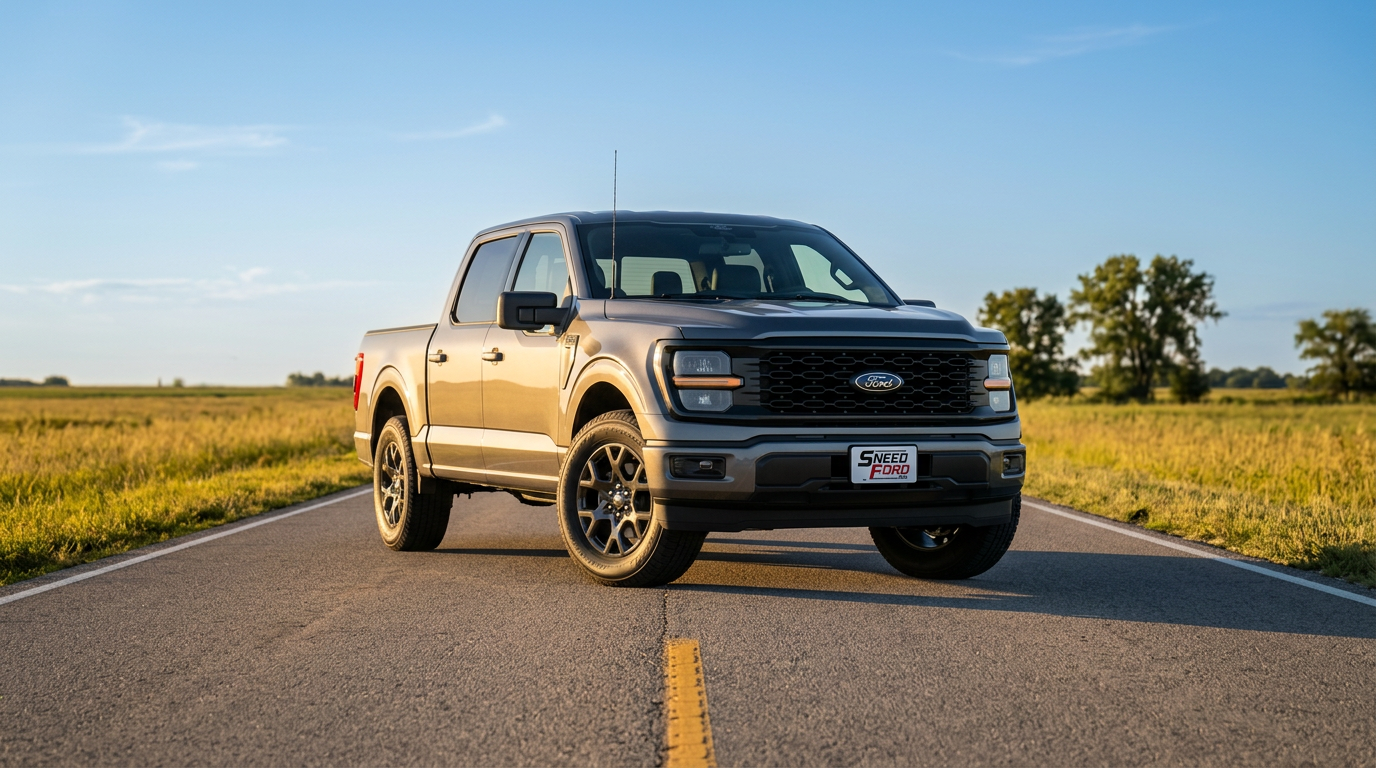
2026 Ford F-150 vs Chevy Silverado 1500 vs Ram 1500: The Honest Comparison
Best Used Ford F-150 Years to Buy in 2026: A Buyer's Guide
2026 Ford F-150 Engines Explained: Which One Should You Get?
2026 Ford F-150 Trims Explained: Which One Should You Buy?
How Much Can the 2026 Ford F-150 Tow? The Complete Guide
2026 Ford F-150 Exterior Colors: Every Color and What's New
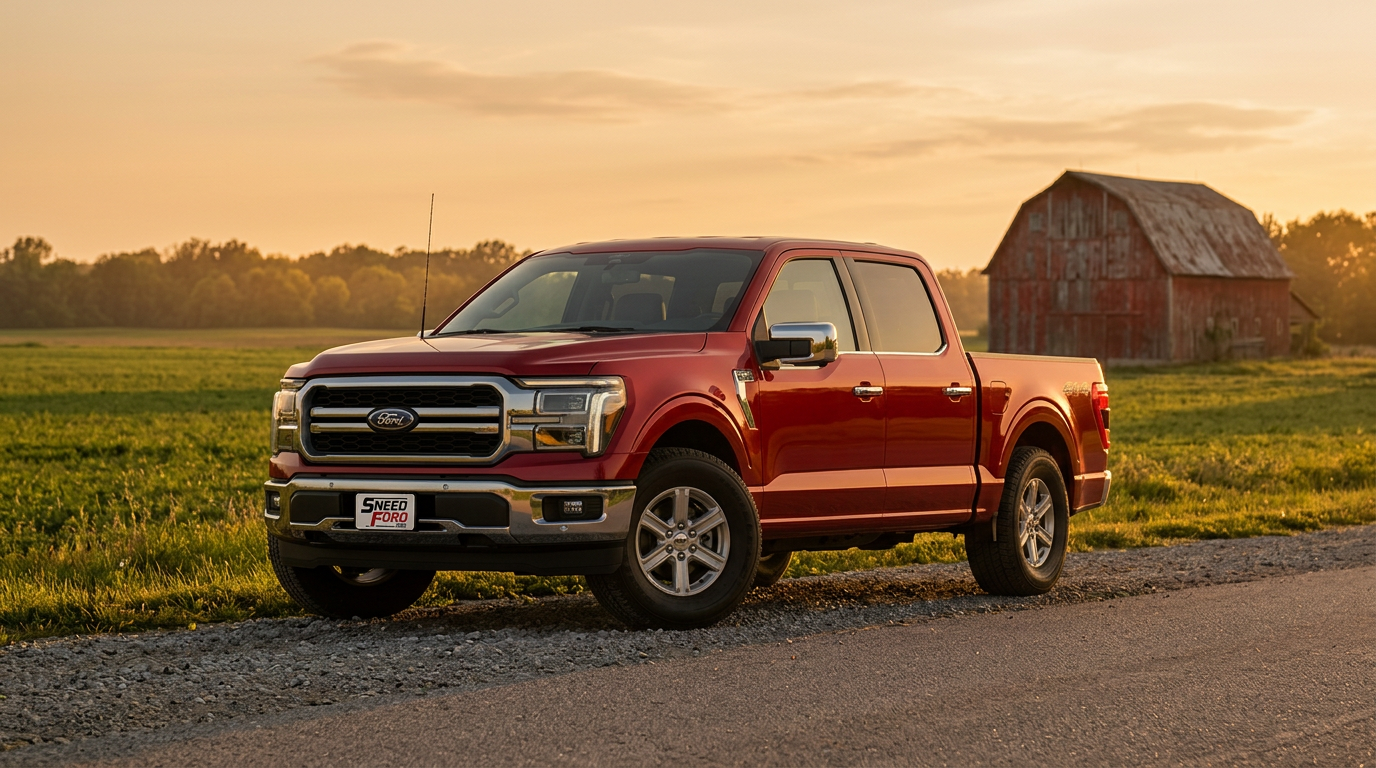
Why Kansas City F-150 Buyers Drive 45 Minutes to Gower
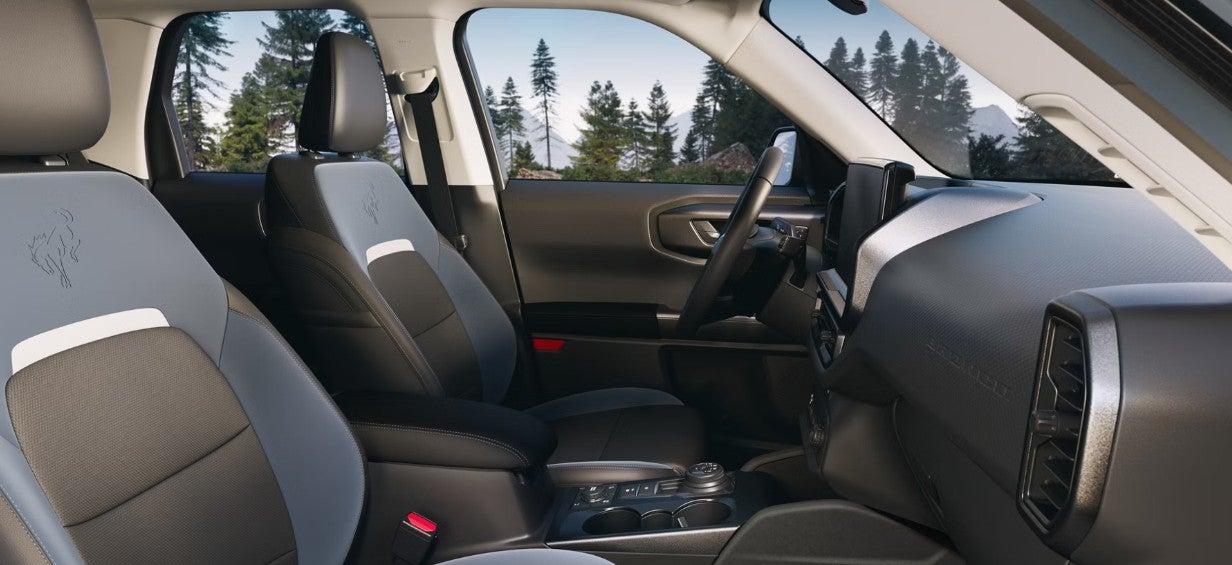
Ford Bronco Sport vs Jeep Compass: Our Comparison
Are you trying to decide between the Ford Bronco Sport and the Jeep Compass? You're not alone. These two compact SUVs are among the most popular comparisons our customers bring to Dennis Sneed Ford in Gower, Missouri — and for good reason. Both are adventure-ready, family-friendly, and sized right for everyday life. But when you look closely at the numbers, the engineering, and the standard features, one consistently delivers more for your money. In this comparison, we cover everything that matters: engine power, off-road capability, cargo space, safety technology, fuel economy, towing capacity, and real-world value. Whether you're a weekend trail-goer, a daily commuter, or somewhere in between, this guide will help you make the right call before you buy. The Bronco Sport comes equipped with up to 250 horsepower and 277 lb-ft of torque, standard intelligent 4x4 on every trim, and Ford Co-Pilot360 safety features across the board — all at a price point that competes directly with the Compass. The Jeep has its strengths, but as we'll show, the Bronco Sport wins on almost every measure that matters. Browse Bronco Sport Inventory at Dennis Sneed Ford Why Comparing These Two Compact SUVs Matters At Dennis Sneed Ford, we've helped hundreds of customers navigate this exact decision. Both vehicles target the same buyer: someone who wants a capable, versatile SUV that handles commutes, family errands, and weekend adventures without compromise. Here's why the comparison is worth doing carefully: Both occupy the same price bracket, making it essential to understand what you actually get for your money at each trim level Each offers all-wheel drive, but with very different systems and very different off-road engineering philosophies Standard feature content varies dramatically — what's included with the Bronco Sport often costs extra on the Compass Resale value, brand recognition, and long-term ownership costs differ in ways that add up over years Key Advantage Why It Matters Real-World Benefit Compact Size with SUV Capability Fits city streets and parking spots Easy to park downtown; confident off-road Better Fuel Economy Than Full-Size SUVs Lower fuel costs for daily commuting Hundreds saved annually vs larger SUVs Versatile, Multi-Situation Design Handles school runs, road trips, and trails One vehicle for every scenario Modern Safety and Connectivity Standard driver assistance technology Peace of mind on every drive Performance and Powertrain: Two Engines vs One The powertrain difference between these two SUVs is one of the most significant factors in this comparison. The Ford Bronco Sport gives you a choice depending on your driving needs and budget; the Jeep Compass does not. Ford Bronco Sport Engine Options The Bronco Sport offers two EcoBoost turbocharged engines, giving you the ability to choose between efficiency and performance: 1.5L EcoBoost (Base and Big Bend trims): 181 horsepower and 190 lb-ft of torque — efficient, responsive, and fully capable for daily driving and light trail use 2.0L EcoBoost (Outer Banks, Badlands, and Heritage trims): 250 horsepower and 277 lb-ft of torque — a serious step up for highway passing, hill climbing, and demanding off-road performance Both engines pair with an 8-speed automatic transmission for smooth, confident shifting in every condition The 2.0L also unlocks the Bronco Sport's full 2,700 lb towing capacity with the Class II trailer tow package Jeep Compass Engine The Jeep Compass offers a single engine across its entire lineup: a 2.0L turbocharged four-cylinder producing 200 horsepower and 221 lb-ft of torque, paired with an 8-speed automatic. It handles everyday driving well, but there's no performance upgrade path available regardless of which trim you choose. Specification Bronco Sport 1.5L Bronco Sport 2.0L Jeep Compass Horsepower 181 hp 250 hp 200 hp Torque 190 lb-ft 277 lb-ft 221 lb-ft Transmission 8-Speed Auto 8-Speed Auto 8-Speed Auto Max Towing Capacity 2,200 lbs 2,700 lbs 2,000 lbs The performance winner is clear: the Bronco Sport's top engine has a 50 hp and 56 lb-ft advantage over the Compass. That means faster acceleration, more confident merging on Highway 169, and stronger capability on Missouri trails. Visit Dennis Sneed Ford to schedule a test drive and feel the difference firsthand. You can also review full Bronco Sport specs before you visit. Off-Road Capability: G.O.A.T. Modes vs Selec-Terrain Off-road performance is where the Ford Bronco Sport truly earns its name. Every Bronco Sport — even the entry-level trim — comes standard with intelligent 4x4. The Jeep Compass makes FWD standard on base trims, meaning AWD costs extra. That's a meaningful difference before the trail even starts. Ford's G.O.A.T. Modes: Seven Ways to Conquer Any Terrain Ford's G.O.A.T. (Goes Over Any Type of Terrain) system automatically adjusts throttle response, transmission behavior, traction control, and stability settings to match your environment. Available modes include: Normal: Optimized for everyday paved road driving Eco: Maximizes fuel efficiency for highway cruising Sport: Enhances throttle response and handling dynamics Slippery: Ideal for wet, icy, or snow-covered Missouri roads in winter Sand: Adjusts torque delivery for loose, sandy terrain conditions Mud/Ruts: Provides maximum traction in muddy trail conditions Rock Crawl: Available exclusively on the Badlands trim for extreme technical terrain The Badlands trim adds the H.O.S.S. (High-Performance Off-Road Stability Suspension) system with increased suspension travel for serious trail use. Ground clearance ranges from 8.0 to 9.0 inches depending on trim. Standard skid plates protect critical components on every Bronco Sport. See all Bronco Sport trim levels to find your match. Jeep Compass Trailhawk: Capable but Limited The Compass Trailhawk trim adds 8.6 inches of ground clearance and Jeep's Selec-Terrain management system, which provides fewer driving modes than the Bronco Sport's G.O.A.T. system. It's a capable light-duty off-roader and handles maintained trails confidently — but it doesn't match the engineering depth or standard availability of the Bronco Sport's off-road systems. Interior Space, Cargo, and Smart Storage Your daily adventures need practical storage — and the Bronco Sport delivers more cubic feet and smarter features than the Compass at every configuration. Ford Bronco Sport: Built for How You Actually Live 32.5 cubic feet of cargo space behind the second row — 5.3 cu ft more than the Compass 65.2 cubic feet maximum cargo capacity with rear seats folded flat — 5.4 cu ft more than the Compass Available flip-up rear glass for quick access to cargo without opening the full hatch MOLLE attachment straps on seat backs for gear pouches, tools, and accessories Rubberized, easy-clean flooring in the cargo area — no worries about muddy boots or wet gear Multiple tie-down anchor points and integrated storage cubbies throughout the cabin Interior Feature Ford Bronco Sport Jeep Compass Cargo Space (Seats Up) 32.5 cu ft 27.2 cu ft Maximum Cargo (Seats Folded) 65.2 cu ft 59.8 cu ft Specialty Storage Features MOLLE straps, flip-up glass, rubberized floor Standard door pockets and center console Seating Capacity 5 passengers 5 passengers Safety Features, Technology, and Connectivity Safety shouldn't require a trim upgrade — and with the Ford Bronco Sport, it doesn't. Every single Bronco Sport, from base to Badlands, comes standard with the full Ford Co-Pilot360 driver assistance suite. Ford Co-Pilot360 — Included on Every Bronco Sport Pre-Collision Assist with Automatic Emergency Braking — monitors for vehicles and pedestrians and brakes automatically if you don't respond in time Lane-Keeping System — gently steers you back if you drift out of your lane unintentionally Blind Spot Information System with Cross-Traffic Alert — warns of approaching vehicles in adjacent lanes and when reversing Auto High-Beam Headlamps — automatically adjusts for oncoming traffic and ambient light conditions The Jeep Compass reserves many of these same features for higher trim levels or optional packages. That means if you're buying an entry-level Compass, you may be paying for less protection without realizing it. Infotainment: SYNC 4 vs Uconnect 5 Feature Ford Bronco Sport Jeep Compass Standard Touchscreen Size 13.2 inches (all trims) 8.4–10.1 inches (varies by trim) Digital Instrument Cluster 12.3 inches (standard) 10.25 inches (higher trims only) Wireless Smartphone Integration Standard on all trims Wired on base models Infotainment System Ford SYNC 4 Jeep Uconnect 5 Fuel Economy, Towing, and Overall Value The Bronco Sport's fuel economy is competitive with the Compass across its engine range: Bronco Sport 1.5L EcoBoost (FWD): approximately 25 city / 28 highway MPG Bronco Sport 1.5L EcoBoost (4x4): approximately 22–25 city / 26–28 highway MPG Bronco Sport 2.0L EcoBoost (4x4): approximately 20–21 city / 24–26 highway MPG Jeep Compass (FWD): approximately 22–25 city / 28–31 highway MPG On towing, the Bronco Sport wins outright. The 2.0L EcoBoost with trailer tow package pulls up to 2,700 lbs, giving you 700 more pounds of capacity than the Compass's 2,000 lb limit. That's the difference between hauling a small boat to Smithville Lake and leaving it at home. And when you factor in standard technology, standard 4x4, larger infotainment screen, and better safety equipment included at every price point, the Bronco Sport delivers significantly stronger value across the board. Review our related post comparing the Bronco Sport Big Bend vs Outer Banks to fine-tune your trim choice. Explore Financing Options at Dennis Sneed Ford Why Dennis Sneed Ford Is the Right Place to Buy Your Bronco Sport At Dennis Sneed Ford in Gower, Missouri, we've been helping families and adventurers find the right vehicle for years. We know the roads, the seasons, and the demands Missouri puts on a compact SUV — from icy I-29 in January to muddy rural trails in spring. We carry a full lineup of Bronco Sport models in stock across multiple trims so you can compare them side by side and find the exact configuration that fits your life and budget. Transparent, no-pressure pricing with manufacturer incentives applied upfront Ford-trained service technicians who know the Bronco Sport inside and out In-house financing department working with multiple lenders for competitive rates Convenient service scheduling and Ford Pickup & Delivery for maintenance appointments Comprehensive warranty coverage and available Ford Protect extended protection plans Read what our customers are saying on our reviews page, and visit our awards page to see our recognitions for customer service excellence. Our general maintenance advice and certified Ford service center are also ready to keep your Bronco Sport running strong long after you drive off the lot. The Bronco Sport Is Your Adventure-Ready Choice Our comparison shows the Ford Bronco Sport wins across every major category: more engine options, stronger towing, better off-road technology with G.O.A.T. Modes, more cargo space, full safety features standard on every trim, and a superior 13.2-inch SYNC 4 infotainment system right out of the box. The Jeep Compass is a capable vehicle — but the Bronco Sport consistently delivers more without asking you to pay more to get it. Come visit Dennis Sneed Ford at 1046 S.W. Highway 169 in Gower, Missouri — conveniently located on the I-29 corridor between Kansas City and St. Joseph. Call Sales at (816) 409-1975, browse our new vehicle specials, or stop in and test drive a Bronco Sport today. Schedule Your Bronco Sport Test Drive Today Frequently Asked Questions What are the main engine differences between the Ford Bronco Sport and Jeep Compass? The Ford Bronco Sport offers two engine options: a 1.5L EcoBoost producing 181 horsepower and 190 lb-ft of torque, and a 2.0L EcoBoost producing 250 horsepower and 277 lb-ft of torque. The Jeep Compass uses a single 2.0L turbocharged engine across all trims at 200 horsepower and 221 lb-ft of torque. The Bronco Sport's top engine delivers a 50 hp and 56 lb-ft advantage, translating to stronger acceleration, better passing power, and higher towing capacity. Which compact SUV has better off-road capability? The Ford Bronco Sport is the clear winner for off-road performance. Standard intelligent 4x4 comes on every trim, and Ford's exclusive G.O.A.T. Modes system offers up to seven terrain management settings. Ground clearance reaches 9.0 inches on the Badlands trim, and the H.O.S.S. suspension system increases travel for serious trail use. Standard skid plates protect critical components across all trims. The Jeep Compass Trailhawk handles maintained trails well, but the Bronco Sport's off-road engineering is purpose-built at every price point. How does cargo space compare between the Ford Bronco Sport and Jeep Compass? The Ford Bronco Sport offers more cargo space in every configuration: 32.5 cubic feet behind the second row and 65.2 cubic feet with seats folded, compared to the Compass's 27.2 and 59.8 cubic feet respectively. The Bronco Sport also adds adventure-focused features not found in the Compass — including MOLLE attachment straps, a flip-up rear glass window, and rubberized easy-clean cargo flooring. What safety features come standard on the Ford Bronco Sport? Every Ford Bronco Sport — regardless of trim level — includes the Ford Co-Pilot360 safety suite as standard equipment. This covers Pre-Collision Assist with Automatic Emergency Braking (including pedestrian detection), Lane-Keeping System, Blind Spot Information System with Cross-Traffic Alert, and Auto High-Beam Headlamps. The Jeep Compass requires higher trim levels or optional packages to access comparable safety features, making the Bronco Sport a stronger value for safety-minded buyers at any budget. Which SUV offers better towing capacity and overall value? The Ford Bronco Sport tows up to 2,700 lbs with the 2.0L EcoBoost and trailer tow package, compared to the Jeep Compass's 2,000 lb maximum. On overall value, the Bronco Sport wins by delivering standard 4x4 on all trims, a 13.2-inch SYNC 4 touchscreen on every model, wireless Apple CarPlay and Android Auto standard, and Ford Co-Pilot360 included across the entire lineup — all features that require trim upgrades or option packages on the Compass. Visit Dennis Sneed Ford in Gower, Missouri to explore current inventory and available incentives.
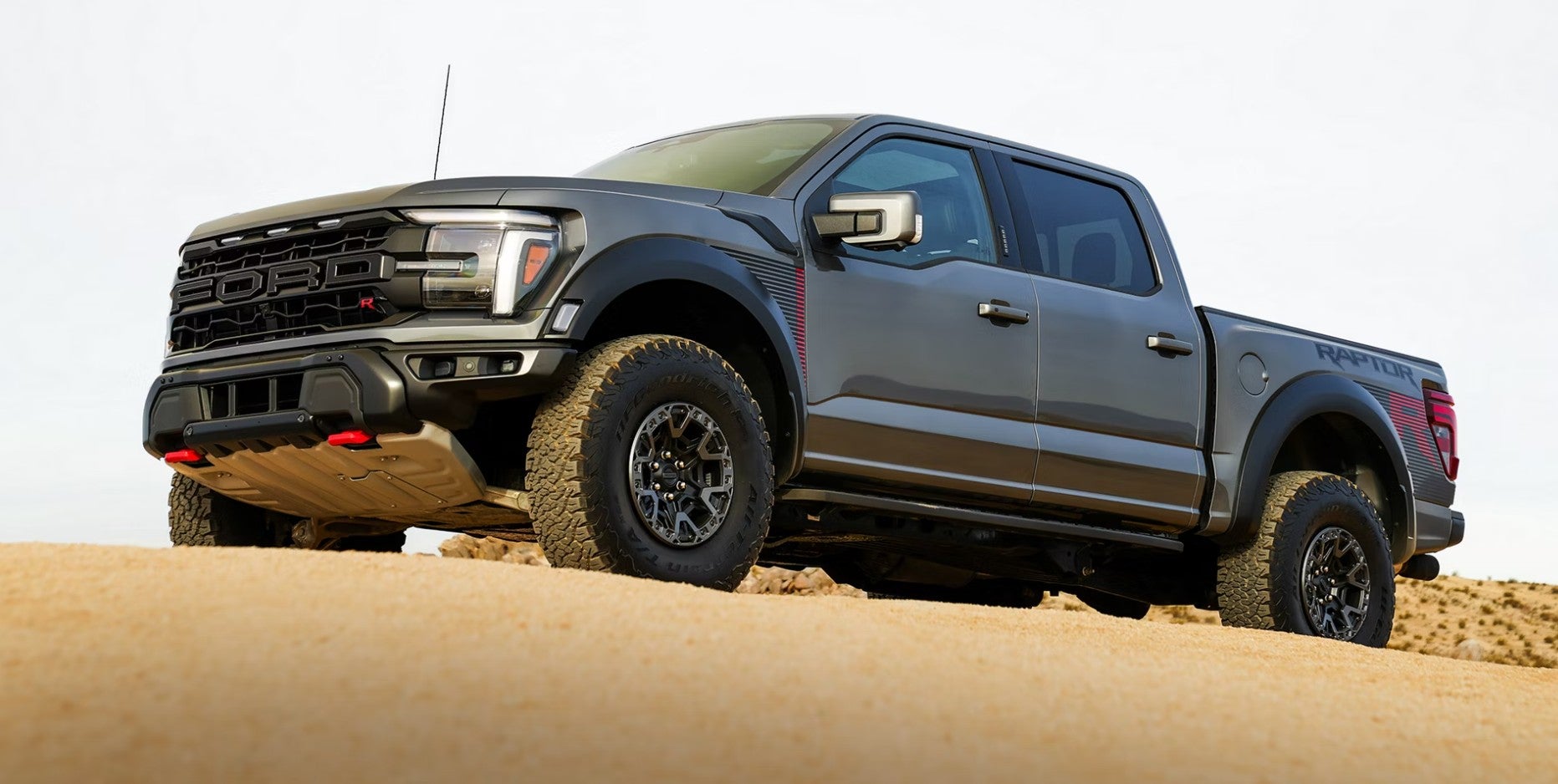
Ford F-150 vs Chevy Silverado: Which Truck Wins?
It's one of the oldest debates in the truck world: Ford F-150 or Chevy Silverado? These two full-size pickups have been outselling every other vehicle in America for decades, and both have loyal, passionate followings. At Dennis Sneed Ford in Gower, Missouri, we see this question every single day — and we're here to give you a straight, honest answer based on specs, standard features, and what actually matters to truck buyers across northwest Missouri. We'll cover everything that influences your decision: engines and powertrain options, towing and payload capacity, bed sizes, interior technology, safety ratings, fuel economy, and off-road performance. Whether you're hauling livestock, towing a camper to a Missouri state park, running a construction crew, or just driving the family around — this guide will help you find the right truck for your life. The short version: both trucks are excellent. But the Ford F-150 consistently offers more flexibility, more powertrain choices, stronger standard safety features, higher maximum towing and payload numbers, and more innovative cabin features — often at a comparable price. Here's the full breakdown. Browse F-150 Inventory at Dennis Sneed Ford Why This Truck Comparison Matters for Missouri Buyers In Missouri, a truck isn't just transportation — it's a working tool. Our customers at Dennis Sneed Ford use their trucks for farming, ranching, construction, recreation, and everything in between. The right truck affects your fuel budget, your maintenance schedule, your towing capability, and your daily comfort for years to come. Here's what this comparison will examine: Engine power and torque across six F-150 powertrains and five Silverado options Maximum towing and payload capacity in real-world configurations Bed size choices, payload ratings, and innovative cargo management features Interior technology, connectivity, and innovative cab features Safety ratings and what comes standard vs what costs extra Fuel economy across gas, hybrid, and diesel engine options Off-road package performance from FX4 and Raptor to Z71 and ZR2 Engine Power and Powertrain Options: Six vs Five This is where the F-150 immediately stands out. Ford offers six powertrain options — including the industry-exclusive PowerBoost Full Hybrid — giving you more ways to match the engine to your specific needs and budget. The Silverado offers five, including an optional diesel the F-150 doesn't currently offer. Ford F-150 Engine Lineup 3.3L V6: 290 hp / 265 lb-ft — dependable, no-frills power for light-duty work and daily driving 2.7L EcoBoost V6: 325 hp / 400 lb-ft — best fuel economy among F-150 gas engines with strong real-world performance 5.0L V8: 400 hp / 410 lb-ft — classic V8 sound and power with modern efficiency improvements 3.5L EcoBoost V6: 400 hp / 480 lb-ft — outstanding towing performance for demanding loads 3.5L EcoBoost High-Output: 450 hp / 510 lb-ft — peak performance for the most demanding work applications 3.5L PowerBoost Full Hybrid: 430 hp / 570 lb-ft — best-in-class fuel economy with Pro Power Onboard generator capability up to 7.2 kW Chevy Silverado Engine Lineup 4.3L V6: 285 hp / 305 lb-ft — reliable baseline performance 2.7L Turbo 4-Cylinder: 310 hp / 430 lb-ft — modern turbocharged efficiency with strong torque output 5.3L V8: 355 hp / 383 lb-ft — the Silverado's most popular engine, beloved for its smooth V8 character 6.2L V8: 420 hp / 460 lb-ft — Silverado's maximum gasoline power and top towing engine 3.0L Duramax Diesel: 277 hp / 460 lb-ft — exceptional highway fuel economy at 33 MPG; a strong choice for highway-heavy driving and consistent towing Engine Category Ford F-150 Best Output Chevy Silverado Best Output Standard V8 400 hp / 410 lb-ft (5.0L V8) 355 hp / 383 lb-ft (5.3L V8) Maximum Gas Power 450 hp / 510 lb-ft (3.5L HO EcoBoost) 420 hp / 460 lb-ft (6.2L V8) Alternative Fuel / Efficiency 430 hp / 570 lb-ft (PowerBoost Hybrid) 277 hp / 460 lb-ft (Duramax Diesel) Turbocharged Small Engine 325 hp / 400 lb-ft (2.7L EcoBoost) 310 hp / 430 lb-ft (2.7L Turbo) The F-150 leads in peak horsepower and torque across comparable gas categories. If you want a hybrid powertrain, the F-150 is the only full-size truck in this segment offering one. The Silverado answers with its Duramax diesel for highway-dominant drivers who prioritize fuel savings per mile. Learn more on our F-150 overview page or see the full 2026 F-150 specs. Towing Capacity, Payload, and Bed Configurations The F-150's towing advantage is real and significant. Properly equipped with the 3.5L EcoBoost and Max Trailer Tow Package, the F-150 can tow up to 14,000 lbs. The Silverado's best configuration (6.2L V8 with Max Trailering Package) reaches 13,300 lbs. That 700 lb gap matters when you're pulling livestock trailers, enclosed car haulers, or larger campers. See the full breakdown on our F-150 towing capacity page. How to Get Maximum Towing from the F-150 Choose the 3.5L EcoBoost or PowerBoost Hybrid for the highest towing ratings Add the Max Trailer Tow Package with upgraded cooling, smart trailer connector, and integrated trailer brake controller Spec the electronic-locking 3.73 rear axle ratio for optimal towing performance Select a SuperCrew cab with 5.5- or 6.5-foot bed for the best towing weight distribution Payload and Bed Size Comparison Bed / Payload Feature Ford F-150 Chevy Silverado Short Bed 5.5 ft / 52.8 cu ft 5.8 ft / ~53 cu ft Standard Bed 6.5 ft / 62.3 cu ft 6.6 ft / ~63 cu ft Long Bed 8 ft / 77.4 cu ft 8 ft / ~71 cu ft Maximum Payload Rating Up to 3,325 lbs Up to 2,280 lbs Standout Bed Innovation BoxLink tie-down system + Pro Power Onboard (up to 7.2 kW) Multi-Flex 6-position tailgate The F-150's maximum payload rating of 3,325 lbs significantly outpaces the Silverado's 2,280 lbs. The F-150 also holds a unique advantage with Pro Power Onboard — a factory-integrated generator system that delivers up to 7.2 kW of exportable power from the bed for job site tools, camping equipment, or emergency home power. The Silverado counters with its Multi-Flex tailgate, which folds in six different ways and serves as a step, work surface, or extended load support. Both are genuinely useful — they simply prioritize different needs. Interior Technology, Comfort, and Safety Features Both trucks have dramatically elevated their interiors in recent years, moving from basic working cab to near-luxury appointments. The F-150 stands out with several genuinely innovative features that define new categories, not just trim levels. F-150 Interior Highlights SYNC 4 infotainment system with touchscreens up to 12 inches, cloud-connected navigation, and fast, intuitive controls Wireless Apple CarPlay and Android Auto standard on most trims — no cable required Max Recline Seats available in SuperCrew models — recline nearly flat for rest breaks or tailgate events Fold-flat interior work surface — a built-in laptop-friendly desk on the center console for office-on-the-go use Available Bang & Olufsen premium audio with 18 speakers delivering concert-quality sound Available 360-degree camera system for parking, maneuvering, and job site navigation Safety: Ford Co-Pilot360 Standard on Every F-150 Every Ford F-150, from the work-focused XL to the luxury-spec Limited, comes with Ford Co-Pilot360 as standard equipment. The Silverado offers comparable technologies but reserves some features for higher trim levels or optional packages. Here's the comparison: Safety Feature Ford F-150 Chevy Silverado NHTSA Overall Rating 5 Stars 5 Stars Automatic Emergency Braking Standard (all trims) Standard on most trims Blind Spot Monitoring Standard (all trims) Higher trim levels or option packages Lane-Keeping Assist Standard (all trims) Standard on most trims Unique Towing Safety Feature Pro Trailer Backup Assist Transparent Trailer View (higher trims) Fuel Economy, Off-Road Performance, and Long-Term Reliability Fuel costs matter for everyday truck drivers. Here's how the two lineups compare on F-150 fuel economy: F-150 2.7L EcoBoost: ~20 city / 26 highway / 22 combined MPG F-150 PowerBoost Hybrid: ~24 city / 24 highway / 25 combined MPG — plus Pro Power Onboard Silverado 5.3L V8: ~17 city / 23 highway / 19 combined MPG Silverado 3.0L Duramax Diesel: ~23 city / 33 highway / 27 combined MPG — highest highway number in the segment For most buyers, the F-150's 2.7L EcoBoost or PowerBoost Hybrid delivers the best combination of fuel efficiency, performance, and capability. The Silverado's diesel has the edge in raw highway MPG, but carries a $3,000–$4,000 premium and higher maintenance costs. The F-150 PowerBoost adds comparable efficiency plus the Pro Power Onboard generator — making it more versatile for the same type of buyer. Off-Road Packages: Raptor, Tremor, FX4 vs Raptor, ZR2, Z71 Off-Road Package Ground Clearance Best For F-150 FX4 Off-Road Standard + off-road upgrades Hunting trails, gravel roads, winter driving F-150 Tremor 10.8 inches Serious trail driving, deep ruts, rocky terrain F-150 Raptor 13.1 inches High-speed desert performance, extreme terrain Silverado Z71 Standard + Rancho shocks Light off-road use and maintained trails Silverado ZR2 11.2 inches Technical rock crawling with Multimatic dampers The F-150 Raptor has no direct Silverado equivalent for high-speed performance off-road. The Silverado ZR2 is exceptional for technical crawling with Multimatic DSSV dampers. For most Missouri buyers, the F-150 FX4 or Tremor offers the right balance of trail capability and everyday drivability. Also worth exploring: F-150 vs F-250 comparison and Ford Super Duty trucks for heavier-duty hauling needs. On long-term reliability, the F-150's military-grade high-strength aluminum body resists rust better than steel bodies — an important consideration for Missouri's wet winters and humid summers. Ford's EcoBoost engines are proven performers with millions of miles of owner data behind them. Read more in our blog post on pickup trucks with the best longevity. Apply for F-150 Financing at Dennis Sneed Ford Why Dennis Sneed Ford Is Your F-150 Headquarters in Gower, Missouri At Dennis Sneed Ford, trucks are our specialty. We're located on Highway 169 in Gower — right on the I-29 corridor, convenient for customers from Kansas City, St. Joseph, Smithville, Cameron, Platte City, and every community in northwest Missouri. We carry an extensive F-150 inventory from work-focused XL and XLT configurations to fully loaded Platinum and Limited models across multiple engine options. Ford-certified technicians trained specifically on F-150 powertrains, including the EcoBoost and PowerBoost Hybrid systems In-house finance team working with multiple lenders for competitive rates on any credit profile Kelley Blue Book Instant Cash Offer for trade-ins — value your trade online before you visit Convenient service scheduling at our certified Ford service center, with pickup and delivery available Ford Protect extended warranty plans for complete long-term peace of mind Read real customer feedback on our reviews page and see our dealership awards. For additional truck research, explore our related posts: Pickup trucks with the best longevity and What to look for when buying a used Ford truck. The Verdict: Ford F-150 Wins the Head-to-Head Both the Ford F-150 and Chevy Silverado are exceptional full-size trucks — you honestly can't go wrong with either. But across the categories that matter most to Missouri truck buyers, the Ford F-150 consistently delivers more: six engine choices including the only hybrid in the segment, 14,000 lbs of maximum towing, 3,325 lbs of maximum payload, innovative cab features like Max Recline Seats and the fold-flat work surface, Pro Power Onboard generation, and Ford Co-Pilot360 safety on every single trim. Come visit Dennis Sneed Ford at 1046 S.W. Highway 169 in Gower, Missouri. Test drive a few F-150 configurations — try the 2.7L EcoBoost for daily efficiency, the 5.0L V8 for that classic sound and feel, or the PowerBoost Hybrid if you want it all. Call Sales at (816) 409-1975, check out our current truck specials, or browse our full new inventory online. Our team is here to help you find the exact F-150 that fits your work, your family, and your budget — no pressure, no shortcuts. Schedule Your F-150 Test Drive Today Frequently Asked Questions Which truck has better towing capacity, the Ford F-150 or Chevy Silverado? The Ford F-150 has the edge in maximum towing capacity. Properly equipped with the 3.5L EcoBoost V6 or PowerBoost Hybrid and the Max Trailer Tow Package, the F-150 tows up to 14,000 lbs. The Chevy Silverado 1500 with its 6.2L V8 and Max Trailering Package reaches 13,300 lbs. For most Missouri buyers hauling boats, campers, livestock trailers, or construction equipment, both are capable — but the F-150 gives you 700 more pounds of margin for heavier loads. Visit Dennis Sneed Ford in Gower to find the exact F-150 configuration for your towing needs. How does the Ford F-150's fuel economy compare to the Chevy Silverado? Fuel economy varies significantly by engine. The F-150's 2.7L EcoBoost achieves approximately 22 MPG combined, and the PowerBoost Full Hybrid leads the F-150 lineup at 25 MPG combined with 4WD — the best fuel economy of any full-size truck in the segment. The Silverado's 5.3L V8 averages around 19 MPG combined, while the available 3.0L Duramax diesel reaches approximately 27 MPG combined with a 33 MPG highway rating. For gas-engine efficiency, the F-150 wins. For diesel-powered highway driving, the Silverado offers something the F-150 currently doesn't. Our team at Dennis Sneed Ford can help you calculate real-world fuel costs based on your typical driving patterns. What are the main differences between Ford F-150 and Chevy Silverado bed sizes? Both trucks offer three bed lengths with broadly similar dimensions: the F-150 offers 5.5-foot, 6.5-foot, and 8-foot beds, while the Silverado offers 5.8-foot, 6.6-foot, and 8-foot beds. The most significant differences are in innovation and capacity. The F-150's BoxLink tie-down system and available Pro Power Onboard generator (up to 7.2 kW) are exclusive to Ford. The Silverado's Multi-Flex tailgate — which folds in six configurations — is unique to Chevy. On payload, the F-150 wins decisively with a maximum rating of 3,325 lbs vs the Silverado's 2,280 lbs in comparable configurations. Which truck is better for off-road driving, the Ford F-150 or Chevy Silverado? Both trucks offer strong off-road packages at multiple price points. The Ford F-150 FX4 provides solid all-terrain capability for hunting, trails, and winter driving. The F-150 Tremor steps up with a lifted suspension and front and rear locking differentials. The F-150 Raptor is in a class of its own for high-speed desert performance with 13.1 inches of ground clearance and 14 inches of suspension travel — with no direct Silverado equivalent. The Silverado ZR2 is excellent for technical rock crawling with its Multimatic DSSV dampers and 11.2 inches of ground clearance. The right choice depends on your off-road style. Which truck has better safety ratings and standard safety features? Both trucks earn five-star overall safety ratings from the NHTSA and perform well in IIHS testing. The key difference is in what comes standard: the Ford F-150's Co-Pilot360 suite includes automatic emergency braking with pedestrian detection, blind-spot monitoring, lane-keeping assist, and rear cross-traffic alert on every single trim level. The Silverado offers comparable technology, but some features require higher trim levels or option packages. For buyers who want full safety coverage without buying up, the F-150 consistently delivers more out of the box at every budget point.
How to Find a Trustworthy Ford Dealership Between Kansas City and St. Joseph
What if the biggest mistake you make when buying a Ford isn't picking the wrong truck or SUV — but picking the wrong dealership? Shopping for a new or used Ford along the I-29 corridor can feel overwhelming. Dozens of dealers compete for your business between two major metro areas. Not all of them deserve your trust or your hard-earned money. Knowing how to find a trustworthy Ford dealership between Kansas City and St. Joseph starts with looking beyond flashy ads. You need to dig into real factors — things like pricing honesty, inventory depth, warranty packages, and the kind of service that keeps customers coming back for years. We created this guide to help you spot reliable Ford dealers Kansas City St. Joseph area residents can count on. From reading reviews the right way to asking the questions most buyers forget, we'll walk you through every step of the process. Visit Dennis Sneed Ford Understanding What Makes a Ford Dealership Trustworthy in Northwest Missouri Buying a new or used Ford is thrilling. But finding a dealer you can trust is a bigger challenge. In Northwest Missouri, some Ford dealers stand out for their quality and service. Certified Ford Dealership Credentials A dealership's certification shows its commitment to quality. Certified dealers in the I-29 corridor meet Ford's high standards. They have trained technicians, genuine parts, and accurate listings. They also list vehicles accurately, making sure all details are correct so you know exactly what you're getting before you buy. Customer Service Excellence Standards Top-notch service is more than a smile. The best dealers in Northwest Missouri respect your time and privacy. They: Ask for your consent before sending ads Schedule test drives when you're ready Follow up without being pushy Answer your questions clearly They treat you like a neighbor, not just a customer. Transparent Pricing and No Hidden Fees Surprise fees can ruin trust. Reliable dealers in the I-29 corridor are upfront about costs. Here are some fees you should see clearly: Fee Type Typical Amount Administrative Fee (Retail Purchase) $395 Administrative Fee (Plan Purchase) $150 Lien Fee (Missouri Residents) $6.00 Lien Fee (Kansas Residents) $4.00 Sales Tax Varies by county A trustworthy dealer shows these costs early. This helps you make a confident choice. How to Find a Trustworthy Ford Dealership Between Kansas City and St. Joseph Finding a good dealership along I-29 requires some research. Start by reading Ford dealer reviews from the Kansas City area. These reviews give you a real idea of what to expect before visiting. Look at the dealership's inventory first. A reliable Ford dealer should have a wide range of models. This includes the F-150, Explorer, and Mustang. If they also have certified pre-owned vehicles, it shows they cater to many customers. What if the exact car you want isn't available? The best dealers can find it for you in about a week. Ask about special orders to get the exact vehicle you want. Also, check how the dealership handles online communication. Can you book appointments online? Do they reply quickly to messages? A dealer that's easy to reach online will likely be friendly in person. Here's a checklist to compare dealerships: Read Ford dealer reviews that Kansas City region customers have left on Google, Facebook, and DealerRater Confirm they carry a full range of new and pre-owned vehicles Ask about vehicle sourcing if your preferred model isn't in stock Test their online scheduling and response times Look for transparent pricing on their website What to Evaluate Why It Matters What to Look For Inventory Size More choices mean a better fit for your needs 8+ Ford models available on the lot Vehicle Sourcing Gets you the exact build you want Delivery within 5–7 business days Online Reviews Reflects real customer experiences 4+ star average across platforms Digital Tools Saves you time and hassle Online scheduling, chat, and email support Special Offers Helps you maximize savings Current rebates and promotions clearly listed Researching Ford Dealer Reviews and Ratings in the Kansas City Region Before you visit any dealership, it's smart to read what others have said. Online reviews help you find reliable Ford sales services in Missouri. A little research can save you a lot of trouble later. Online Review Platforms to Check It's wise to look at different sources for a full picture. Google Reviews, DealerRater, Cars.com, and the Better Business Bureau each offer unique insights. Yelp and Facebook pages can also be useful. Checking multiple places helps you understand a dealership's true reputation. Understanding Google Ratings and Customer Feedback Google ratings are often the first thing you see. A high rating, like 4.5 stars or more, usually means happy customers. Look for comments on fair prices, good service, and support after the sale. Praise for warranties and maintenance packages is a good sign of a reliable service. Review Platform What to Look For Why It Matters Google Reviews Overall star rating, recent feedback Most widely used; reflects current reputation DealerRater Sales and service-specific scores Focused on dealership experiences Cars.com Buyer satisfaction and inventory accuracy Ties reviews directly to purchases Better Business Bureau Complaint history and resolution rate Shows how dealers handle problems Red Flags to Watch Out For Not every dealership is trustworthy. Be wary of complaints about unclear prices, hidden fees, or false promises. If many reviews talk about long waits or vague timelines, it's a red flag. A good Ford sales service in Missouri will always be honest and clear with you. Essential Questions to Ask When Visiting Ford Dealerships Along the I-29 Corridor Going to a dealership without a plan can waste your time and money. It's smart to make a list of questions before you go. This helps you find the best Ford dealerships along the I-29 corridor. First, ask about warranty protection. Do they offer a lifetime powertrain warranty? What maintenance is needed to keep the warranty valid? These questions are important because missing a scheduled oil change can cancel your warranty. Then, find out about vehicle availability. If the Ford model you want isn't on the lot, ask these questions: How long will a special order take from the factory? Can you transfer a vehicle from a nearby dealership? Will there be extra fees for locating or transferring? Can we lock in today's pricing on a special order? Financing is also important. Ford Motor Credit offers 0% APR for some buyers. But many shoppers don't know that these deals often replace factory rebates. Ask the finance team to compare both options so you can save more. Always ask about all fees upfront. Ask for a detailed breakdown of the total price. This includes fees, title costs, and any extra accessories. A trustworthy dealership will share this information openly. Evaluating Ford Inventory Selection and Availability A good dealership carries a wide range of vehicles. When checking dealer ratings, notice what customers say about variety. A dealer with ample inventory saves you time and gives you options. New Ford Model Availability Top dealers in northwest Missouri carry the full Ford lineup. You'll find the F-150, Bronco Sport, Explorer, Expedition, Maverick, Ranger, and Super Duty trucks. There are many trim levels and options for each model. Electric and hybrid options are also important — look for dealers with the F-150 Lightning and Mustang Mach-E. Commercial buyers should find Transit and Transit Connect vans readily available. Used and Certified Pre-Owned Options Not everyone wants a new car. A good selection of used and CPO vehicles shows a dealer cares about all buyers. CPO vehicles are thoroughly inspected and come with extended warranty coverage. When checking dealer ratings, pay attention to what customers say about used car pricing — this reveals a dealer's honesty. Special Order Capabilities Maybe the exact vehicle you want isn't on the lot. Good Ford dealers can source it for you in about a week and can even place factory orders with specific colors or features. Before visiting, check the dealership's website — a clear, updated site with photos and prices is a strong signal of trustworthiness. Warranty Coverage and Service Department Capabilities A good deal on a Ford is important, but warranty and service support matter even more. When looking for reliable Ford dealers in the Kansas City–St. Joseph area, always check post-sale support. The best dealerships back their vehicles with strong warranties and skilled service teams. Lifetime Powertrain Warranties Some top Ford dealerships offer lifetime powertrain warranties. These PowerLife warranties cover your vehicle for as long as you own it — going well beyond the standard Ford warranty of 5 years or 60,000 miles. They protect your engine, transmission, and drivetrain: the most expensive components to repair. To keep your warranty valid, follow the factory-recommended maintenance schedule and keep all service records organized. Factory-Recommended Maintenance Programs Good Ford dealers in the Kansas City–St. Joseph area offer structured maintenance programs that follow Ford's exact guidelines. These include oil changes, tire rotations, brake inspections, and fluid replacements. Maintenance Service Recommended Interval Why It Matters Oil and Filter Change Every 7,500–10,000 miles Protects engine longevity Tire Rotation Every 5,000–7,500 miles Promotes even tread wear Brake Inspection Every 12,000 miles Ensures safe stopping power Transmission Fluid Every 30,000–60,000 miles Prevents costly transmission repairs Service Department Certifications Choose a dealership with Ford-certified technicians trained through the Ford ASSET program. The best service departments handle everything from routine maintenance to specialized repairs. ASE-certified mechanics add an extra layer of expertise, giving you peace of mind every time you bring your vehicle in. Explore Dennis Sneed Ford Inventory Financing Options and Trade-In Values at Reliable Ford Dealers Finding the right financing deal is as important as choosing the right vehicle. The top Ford dealerships in Northwest Missouri make this process straightforward. Their finance teams work with you to create a payment plan that fits your budget. Ford Motor Credit offers some of the best rates in the business. If you have good credit, you might qualify for 0% APR on certain models. However, choosing a low-interest rate might mean forgoing some factory rebates. A strong finance team will help you determine which option saves you more overall. Here's what a strong financing experience should include: Same-day credit decisions with multiple lender options Clear explanations of all loan terms and conditions Flexible payment plans designed around your lifestyle Full transparency on how rebates and incentives are applied Trade-in value is also key. Get an appraisal the same day and compare offers. Reliable dealers use Kelley Blue Book and Black Book to give you a fair number. That offer can be applied directly toward your new purchase price. Always ask for a detailed breakdown of your deal before signing anything. Location Advantages When Choosing Between Kansas City and St. Joseph Area Dealerships The location of your dealership matters more than most buyers realize. It affects every visit — from your initial test drive to routine oil changes for the life of the vehicle. Certified Ford dealerships along the I-29 corridor are ideally positioned for northwest Missouri drivers. Accessibility from Major Highways Interstate 29 connects Kansas City and St. Joseph, and dealerships along this route are easy to reach without navigating city traffic or confusing side streets. A mid-corridor location means residents of Platte City, Weston, Gower, and surrounding communities can visit conveniently — making it simple to stay on top of maintenance and service. Service Convenience and Pickup/Delivery Options A good location is only part of the picture. Look for service departments with hours that work around your schedule: Day Typical Hours Monday – Thursday 9:00 AM – 7:00 PM Friday 9:00 AM – 6:00 PM Saturday 9:00 AM – 6:00 PM Sunday Closed Some dealers offer free vehicle pickup and delivery within a set radius. That means you can drop your vehicle off without rearranging your day — a major convenience that separates standout dealers from average ones. Special Offers, Rebates, and Monthly Ford Incentives Getting a great deal on a new Ford is more achievable than many buyers expect. By staying aware of special offers, rebates, and monthly incentives, you can significantly reduce your out-of-pocket costs. These deals change frequently, so it pays to check dealership listings regularly. Understanding Manufacturer Rebates Ford Motor Company offers national rebates on popular models like the F-150 and Explorer. These rebates can save you hundreds or even thousands of dollars, but they change monthly — so what's available in one season may be gone the next. Check the official Ford incentives page or ask your local dealer about what's currently on the table. Dealership-Specific Promotions Beyond national rebates, dealerships often run their own promotions. These can include: Free appearance packages with select new vehicle purchases Complimentary oil changes or maintenance for the first year Loyalty discounts for returning customers Special financing rates below national averages Best Times to Buy for Maximum Savings Timing your purchase strategically can make a meaningful difference in your final price: Time of Year Why It's a Great Time to Buy End of Month Dealers push to meet sales quotas Holiday Weekends (Memorial Day, Labor Day, Black Friday) Ford releases special event pricing Model Year Changeover (September–November) Outgoing models are heavily discounted Year-End Clearance (December) Combined rebates and dealer incentives peak Why Dennis Sneed Ford in Gower Stands Out Among Missouri Ford Dealerships Dennis Sneed Ford in Gower, Missouri, is a top choice for drivers looking for a reputable Ford dealership between Kansas City and St. Joseph. Its location along the I-29 corridor makes it easy for people throughout Northwest Missouri to visit — and you can even schedule a test drive online and get behind the wheel quickly. Trust is built on transparency. Dennis Sneed Ford displays clear prices on every vehicle and discloses all fees upfront. They also respect customer privacy in all communications. This straightforward approach is reflected in consistently high ratings across review platforms. Whether you're shopping for a new Ford F-150, a Bronco Sport, or a certified pre-owned vehicle, Dennis Sneed Ford has the inventory and the service department to back it up. Their commitment to honesty and long-term customer satisfaction is what sets them apart from other dealers in the region. Conclusion: Find a Dealer You Can Trust Along the I-29 Corridor When asking how to find a trustworthy Ford dealership between Kansas City and St. Joseph, the answer comes down to a few key factors: certified credentials, transparent pricing, strong inventory, proven warranty support, and a service department that stands behind every vehicle it sells. Not every dealership checks all those boxes. But when you find one that does, you gain more than a good deal on a truck or SUV — you gain a long-term partner for every mile ahead. Dennis Sneed Ford in Gower has built its reputation on exactly these principles. Visit us today to explore our current inventory, ask about our lifetime powertrain warranty, and experience the difference that a genuinely customer-first dealership makes. ( learn more about Dennis Sneed Ford) Visit Dennis Sneed Ford Today Frequently Asked Questions How do I find a trustworthy Ford dealership between Kansas City and St. Joseph? Start by looking up Ford dealer reviews in the Kansas City area. Check Google ratings for scores of 4.5 or higher, and look for certified Ford dealerships along I-29 that clearly list all fees — including administrative fees, lien fees, and sales taxes. Visiting the dealership, taking a test drive, and asking questions about pricing and warranties will confirm whether the dealer is trustworthy. Dennis Sneed Ford in Gower, Missouri, is a strong option for drivers in the region. What credentials should I look for in certified Ford dealerships in northwest Missouri? Look for dealerships that are officially Ford certified, carry a wide range of new and pre-owned Ford models, and are transparent about their pricing. A trustworthy dealer will also have positive online reviews and a qualified service department staffed by Ford-trained technicians. What are the most important questions to ask when visiting Ford dealerships along the I-29 corridor? Ask about lifetime powertrain warranties, what maintenance is required to keep the warranty valid, and whether they can source a vehicle if your preferred model isn't in stock. Also ask about financing options such as 0% APR offers, and request a full breakdown of all fees before agreeing to any deal. What kind of inventory should reliable Ford dealers in the Kansas City–St. Joseph area carry? A trustworthy dealer should stock a full range of Ford models across multiple trim levels, including electric and commercial options. They should also carry certified pre-owned vehicles and have the ability to source or factory-order a vehicle if your exact configuration isn't on the lot — typically within five to seven business days. What warranty and service benefits do the best Ford dealerships in northwest Missouri offer? Top dealerships offer lifetime powertrain warranties that cover the vehicle for as long as you own it. They also run structured maintenance programs aligned with Ford's factory guidelines and employ Ford-certified and ASE-certified technicians for both routine and specialized service. Are there location advantages to choosing a Ford dealership between Kansas City and St. Joseph? Yes. Dealerships along I-29 are easily accessible for drivers throughout northwest Missouri without the hassle of city traffic. Many also offer pickup and delivery services for your vehicle, making routine maintenance more convenient no matter where you're located between the two metro areas. Why does Dennis Sneed Ford in Gower stand out among Ford dealerships near Kansas City? Dennis Sneed Ford in Gower, Missouri, combines transparent pricing, a wide inventory of new and certified pre-owned Ford vehicles, and a full-service department — all in a convenient location between Kansas City and St. Joseph. Their upfront approach to fees and long-term commitment to customer satisfaction make them one of the most trusted Ford dealers in the region.
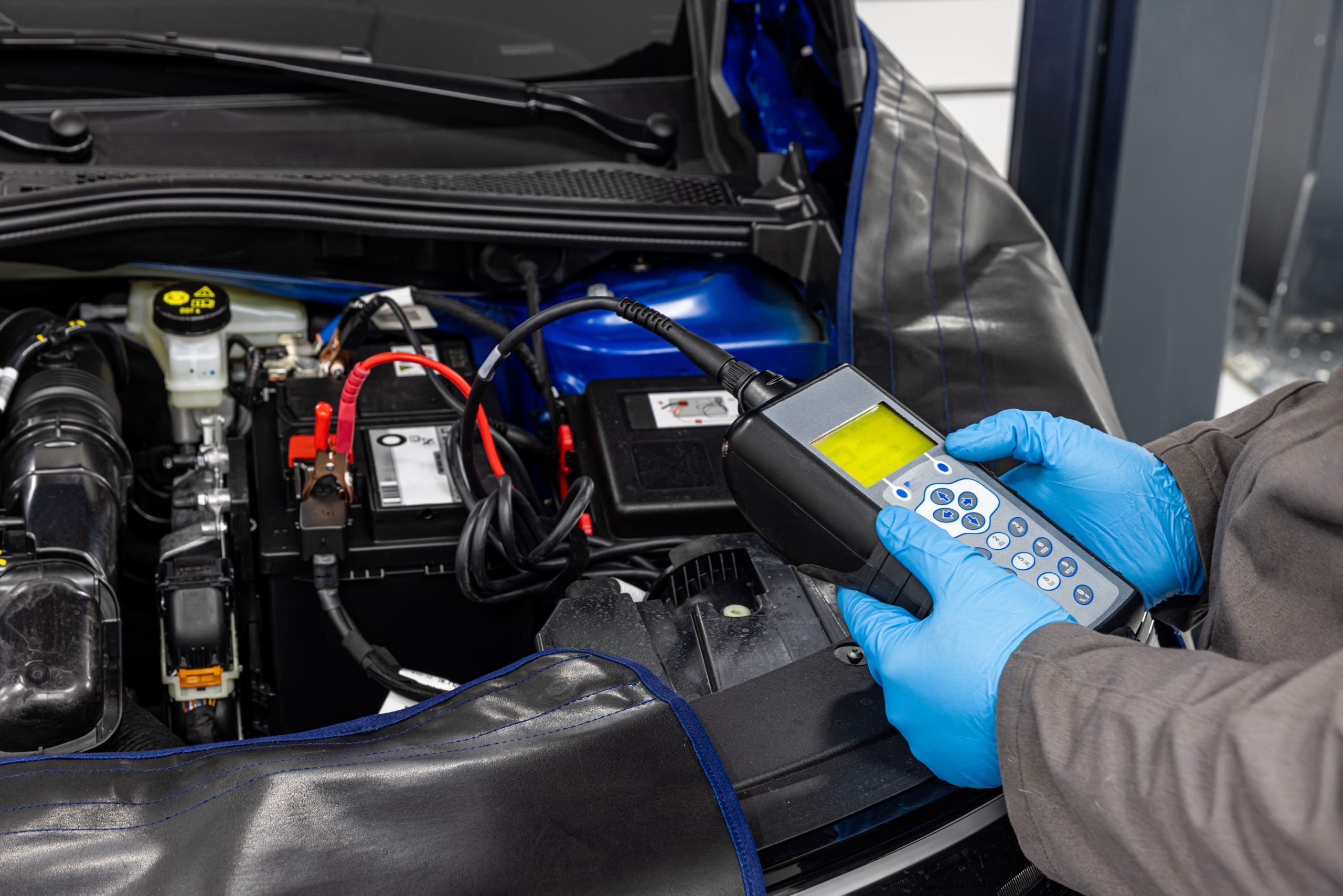
How Long Does a Car Battery Last?
Learn the signs of battery failure and how to extend your battery's lifespan with expert tips from Dennis Sneed Ford Schedule Battery Test Contact Service Ever been stuck because your car wouldn't start when you needed it most? You're not alone. Batteries are a big reason for breakdowns on the road, but most people don't think about them until it's too late. At Dennis Sneed Ford in Gower, Missouri, we think knowing is key. Knowing how long your battery will last can save you from unexpected problems. It keeps you safe and moving on the road. Average Battery Lifespan Most car batteries last three to five years under normal driving conditions. However, factors like driving habits, maintenance, and Missouri's extreme weather can significantly affect your battery's longevity. We've made this guide to help you spot problems early and understand what affects your battery. Our team is here to keep you informed and your car running smoothly, no matter what Missouri's roads bring. Understanding Average Car Battery Lifespan At Dennis Sneed Ford in Gower, Missouri, we help hundreds of customers each year understand their battery's expected lifespan. Knowing what to expect from your battery helps you plan ahead and avoid inconvenient breakdowns. The average car battery lifespan varies based on several important factors we'll explore in this section. We believe informed drivers make better decisions about their vehicle maintenance. That's why our service team takes time to explain battery performance and answer your questions. Let's dive into what you can realistically expect from your car's battery. Typical Battery Lifespan in Years The average car battery lifespan typically ranges from three to five years under normal driving conditions. However, we've seen batteries at our service center last anywhere from just one year to as long as six years. The variation depends on climate, driving habits, and how well the battery is maintained. Most quality batteries will perform reliably for at least three years. After this milestone, we strongly recommend scheduling regular battery testing at Dennis Sneed Ford. Our advanced diagnostic equipment can detect declining performance before you experience starting problems. Minimum Lifespan 1-2 years in extreme conditions or with poor maintenance Average Lifespan 3-5 years under normal driving conditions with regular care Maximum Lifespan 5-6 years with optimal maintenance and moderate climate Some batteries exceed expectations and continue working effectively for five or even six years. These longer-lasting batteries usually belong to vehicles that receive consistent maintenance and operate in moderate climates. We're always happy to test your battery free of charge to give you peace of mind. Understanding Your Battery Warranty Period Most quality car batteries come with warranties that provide valuable protection for your investment. The typical car battery warranty period includes a free replacement window of about three years. Understanding these warranty terms helps you maximize your coverage. Warranty coverage generally falls into two categories: free replacement and prorated replacement. During the free replacement period, if your battery fails testing, the manufacturer provides a brand-new battery at no cost. After this period ends, prorated coverage means you'll pay a percentage based on how long you've owned the battery. We encourage all our customers to keep their warranty documentation in a safe place. When you bring your vehicle to Dennis Sneed Ford for battery service, having this paperwork allows our team to process warranty claims quickly and efficiently. This can save you significant money on a replacement battery. Our expert technicians at Dennis Sneed Ford provide comprehensive battery testing and service Warning Signs Your Battery Is Failing Recognizing the early signs of a failing car battery helps you address problems before they leave you stranded. We always tell our customers not to wait until their car won't start to think about battery replacement. Paying attention to these warning signs can prevent frustrating breakdowns. Your vehicle communicates battery problems through various symptoms. Learning to identify these signals means you can schedule service at your convenience rather than dealing with an emergency. Let's look at the most common indicators that your battery needs attention. Slow Engine Crank A healthy battery starts your engine quickly and smoothly with a strong, confident turn. When your battery begins failing, you'll notice the engine cranks more slowly than usual. The starter may sound labored, or you might hear clicking, grinding, or buzzing noises. This sluggish cranking happens because the weakened battery can't deliver enough power to turn the engine over efficiently. Cold mornings often make this problem more noticeable. If you experience slow cranking, bring your vehicle to our Gower service center right away for testing. Dimming Headlights and Electrical Issues Your battery powers all electrical components in your vehicle. When it weakens, you'll notice dimming headlights, especially while idling at stop lights. The lights may brighten when you press the accelerator, indicating the alternator is compensating for a weak battery. Other electrical problems often accompany battery failure. You might experience flickering interior lights, slow-moving power windows, or erratic behavior from your radio and air conditioning system. These issues stem from inconsistent power delivery from a dying battery. Slow Engine Crank Engine turns over slowly with clicking, grinding, or buzzing sounds Dimming Lights Headlights dim at idle and brighten when accelerating Dashboard Warning Light Battery symbol illuminates indicating charging system issues Electrical Malfunctions Flickering interior lights, slow windows, erratic radio behavior Dashboard Warning Light Modern vehicles include a battery warning light on the dashboard, typically shaped like a battery symbol. When this light illuminates while driving, it indicates your charging system isn't working properly. This could mean battery failure, alternator problems, or loose connections. Never ignore a battery warning light. While it might seem minor, this indicator warns you of potentially serious electrical issues. The light may come on intermittently at first, then stay illuminated as the problem worsens. If you see this warning light, schedule an appointment with our service team immediately. Additional Warning Signs Additional warning signs include visible corrosion around battery terminals (white or bluish residue), cracks or bulges on the battery casing, and a pungent rotten-egg smell indicating a sulfuric acid leak. Any of these symptoms requires immediate professional attention at Dennis Sneed Ford. Key Factors That Impact Your Battery's Longevity Many things affect how long your car battery lasts. Some things you can't control, but knowing what impacts battery life helps you make better choices. We'll look at the main factors that affect battery life, especially for our Gower, Missouri customers. Cold Missouri Winters and Battery Performance Cold weather is a big problem for batteries in northwest Missouri. When it's below freezing, your battery loses up to 35% of its power. This makes starting your car harder during those frigid winter mornings. Cold weather also makes your engine oil thicker, requiring more effort from the starter to turn the engine. At the same time, the battery's chemical reactions slow down. This is why cars often struggle to start in the cold. Many batteries that seem fine in fall reveal their weaknesses when winter arrives. Hot Summer Temperatures Hot weather actually causes more damage to batteries than cold. Heat speeds up the chemical reactions inside your battery, leading to faster wear. High temperatures also cause the electrolyte fluid to evaporate faster, potentially exposing the internal plates. Missouri summers are hot, speeding up corrosion inside your battery. This damage adds up over time, shortening your battery's life. Many batteries that fail in winter actually got damaged in the summer—the heat weakened the battery, and the cold revealed the problem. Weather Condition Effect on Battery Power Loss Recommendation Extreme Cold (Below Freezing) Slowed chemical reactions, thicker oil Up to 35% Test battery before winter Extreme Heat (90°F+) Accelerated corrosion, fluid evaporation Permanent damage Park in shade, check fluid levels Moderate Climate (50-80°F) Optimal performance Minimal Regular maintenance Your Driving Habits Matter How you drive and use your car affects your battery's life. Your alternator recharges the battery when the engine is running. But it needs enough time to fully recharge after starting. Short trips don't give your alternator enough time to recharge the battery fully. This leads to sulfation buildup on the battery plates, reducing capacity over time. The battery works harder with each start but never gets fully recharged. Car batteries also face challenges when not used for a long time. Even when parked, your car draws power to keep systems running. If your car sits for weeks without running, the battery drains until it can't start the engine. We recommend taking a 30-40 minute drive weekly if your car doesn't get regular use. Regular battery maintenance can extend your battery's life and prevent unexpected breakdowns Proper Maintenance and Care Tips Simple preventive maintenance can extend your car battery's life. Regular care can add years to your battery's service life and prevent breakdowns. These tips don't need special tools or expertise—just a little time and attention. Terminal corrosion is a common problem we see at Dennis Sneed Ford. The white, crusty buildup around the terminals reduces electrical flow. You can clean this corrosion yourself using a baking soda and water solution, along with an old toothbrush or wire brush. Keep your battery connections tight and secure. Loose connections create resistance and prevent proper charging. Avoid using accessories like the radio, air conditioning, or phone chargers when your engine isn't running, as this puts direct strain on the battery without the alternator's support. Maintenance Task Frequency Why It Matters DIY or Professional Clean battery terminals Every 3-6 months Removes corrosion that blocks electrical flow DIY with baking soda solution Check cable connections Every 3-6 months Ensures tight connections for proper charging DIY with basic wrench Battery load test Every 6-12 months Identifies weakness before complete failure Professional at Dennis Sneed Ford Inspect for damage or leaks Every 3 months Catches physical problems early DIY visual inspection If you store a vehicle for a long time, consider using a trickle charger. These devices provide a slow, steady charge that prevents the battery from draining completely. We also recommend parking in a garage when possible, as this protects your battery from extreme temperatures. Schedule regular battery inspections at Dennis Sneed Ford at least twice yearly. Our technicians can perform load tests that show how much capacity your battery retains and predict when replacement might be needed. This proactive approach helps you avoid unexpected failures and plan for replacement on your schedule. Trust Our Team at Dennis Sneed Ford for Expert Battery Service Our team at Dennis Sneed Ford in Gower, Missouri is ready to help. We offer free battery testing to check your car's electrical health. This service gives you peace of mind and helps you avoid unexpected breakdowns. We can accurately diagnose and replace your battery. Our service center has quality batteries at competitive prices. Every installation comes with a warranty to protect your investment. Wondering when to replace your car battery? We suggest checking it after three years. You can do this during your oil change. It saves time and prevents emergencies. Our friendly team is ready to help. We'll tell you if your battery needs a replacement or just maintenance. Schedule an appointment online, call us, or visit our Gower service center today. Regular battery care keeps you safe on Missouri's roads. Let us help you stay reliable with proactive testing and expert service. Schedule Service Contact Us Frequently Asked Questions How long does a car battery typically last? Batteries usually last 3-5 years under normal driving conditions. However, at Dennis Sneed Ford we've seen batteries last anywhere from 1-6 years depending on climate, maintenance, and driving habits. After 3 years, we recommend regular testing to check if your battery is still performing well. What are the signs that my car battery is failing? Look out for slow engine crank, dim headlights, flickering interior lights, and erratic power accessory behavior. A dashboard battery warning light is also a clear indicator. If you notice any of these signs, visit Dennis Sneed Ford for a free battery test. When should I replace my car battery? Replace your battery if it's over 3-5 years old, shows signs of failure, or fails a load test. Our Gower, Missouri service team can tell you if your battery needs replacement or just maintenance during a quick inspection. How does cold weather affect my car battery performance? Cold weather causes batteries to lose up to 35% of their power and makes engine oil thicker, requiring more effort to start. This combination is why we see more battery failures in winter. Regular testing before the cold season helps prevent being stranded. Does hot weather damage car batteries? Yes, heat actually damages batteries more than cold. High temperatures speed up chemical breakdown, cause fluid evaporation, and accelerate internal corrosion. Summer maintenance is just as important as winter care for extending your battery's life. What car battery maintenance tips can extend battery life? Clean terminals regularly, keep connections tight, avoid using accessories when the engine is off, and take longer drives to allow full recharging. Schedule regular inspections at Dennis Sneed Ford—a little preventive care goes a long way in extending battery life. How do driving habits affect battery life? Short trips don't give your alternator enough time to fully recharge the battery, leading to sulfation buildup and reduced capacity. We recommend longer drives of 30-40 minutes weekly to keep your battery healthy, especially if you don't drive regularly. What services does Dennis Sneed Ford offer for car batteries? We offer free battery testing, professional diagnosis, quality battery installation with warranty protection, and regular maintenance services. Visit our Gower service center for comprehensive battery care and expert advice on keeping your vehicle running reliably.