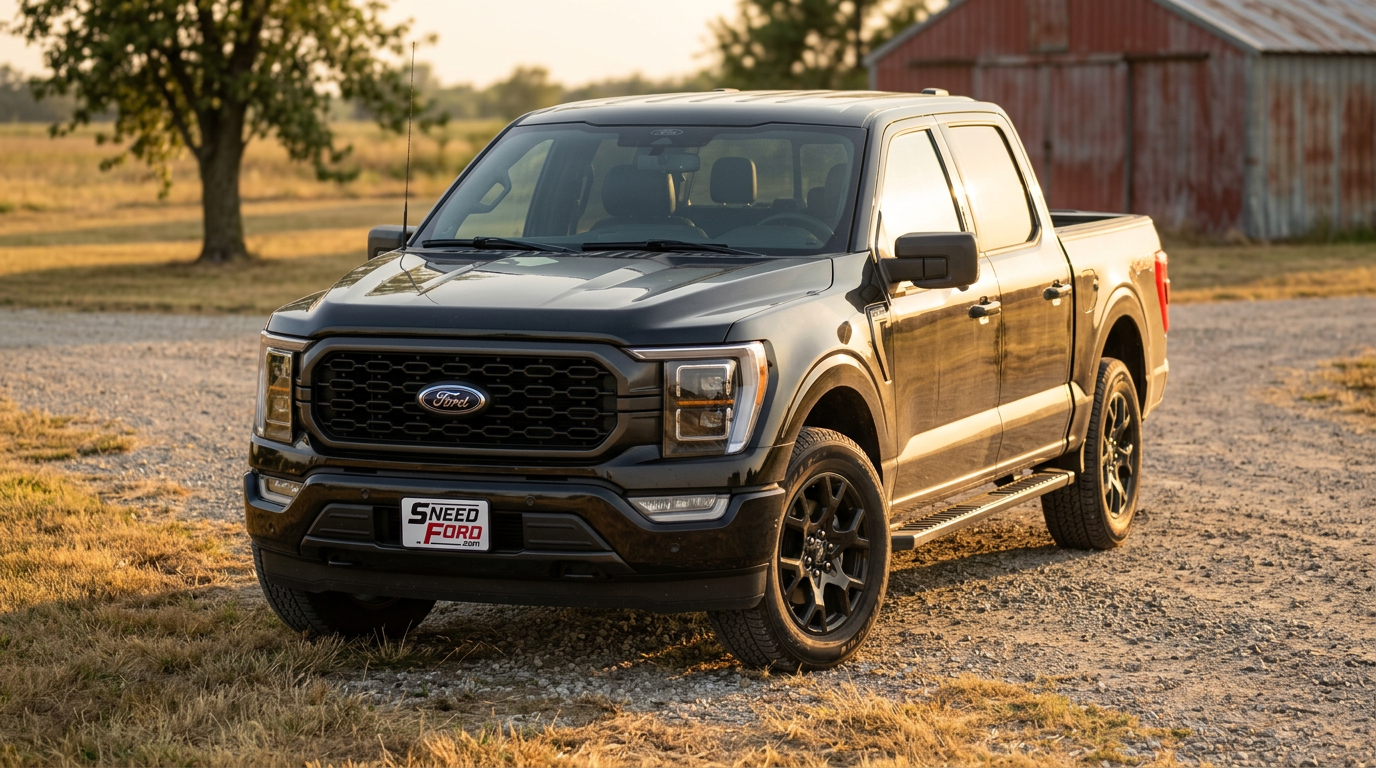
Make a confident purchase with our comprehensive guide covering everything from exterior inspection to documentation review. Know exactly what to look for when buying your next used Ford truck.
When you're in the market for a reliable used Ford truck, knowing what to inspect can save you thousands of dollars and years of headaches. Whether you're shopping at Dennis Sneed Ford or browsing other dealerships, having a comprehensive buying used Ford truck checklist ensures you make an informed decision that serves you well for years to come.
Ford trucks have earned their reputation as America's best-selling trucks for over four decades. Models like the F-150, F-250, and F-350 offer exceptional durability, strong resale value, and proven performance across various applications.
Key Benefits of Used Ford Trucks
When properly maintained, Ford trucks can easily surpass 200,000 miles, making them excellent investments in the used truck market. With exceptional durability, strong resale value, and proven performance across various applications, a well-chosen used Ford truck delivers reliable service for years to come.
This comprehensive guide walks you through every essential inspection point, from exterior body condition to engine performance testing. By the end, you'll have the knowledge and checklist needed to confidently evaluate any used Ford truck and make the best purchase decision for your needs.
Essential Exterior Inspection Points
Your exterior inspection sets the foundation for understanding how a truck has been treated and maintained. Taking time for a thorough walk-around in good lighting reveals crucial information about the vehicle's history and potential future reliability.
Body and Paint Condition
Start your inspection by walking around the entire vehicle in good lighting. A systematic approach ensures you don't miss critical details that could indicate problems or past damage.
Look for rust spots or corrosion, especially around wheel wells, door frames, and the truck bed. These areas are particularly vulnerable to moisture damage. Check for dents, scratches, or collision damage that might indicate poor maintenance or accidents. Pay special attention to paint consistency - mismatched colors could signal bodywork or accident repairs. Finally, examine panel alignment carefully - gaps between doors, hood, and tailgate should be uniform throughout.
Rust Inspection
Focus on wheel wells, door frames, and truck bed for early signs of corrosion
Paint Analysis
Look for color mismatches indicating previous bodywork or repairs
Panel Alignment
Check uniform gaps between all body panels for accident history
Truck Bed Assessment
The truck bed often reveals how the vehicle was used throughout its life. Heavy commercial use, recreational towing, or careful personal ownership all leave distinct wear patterns that tell a story about the truck's history.
Check for excessive wear, dents, or holes in the bed liner that might indicate heavy hauling or abuse. Inspect the tailgate operation and latch mechanism to ensure smooth functionality. Look for signs of heavy hauling damage or chemical spills that could have caused structural issues. Finally, examine tie-down points and bed rail condition, as these components face significant stress during use.
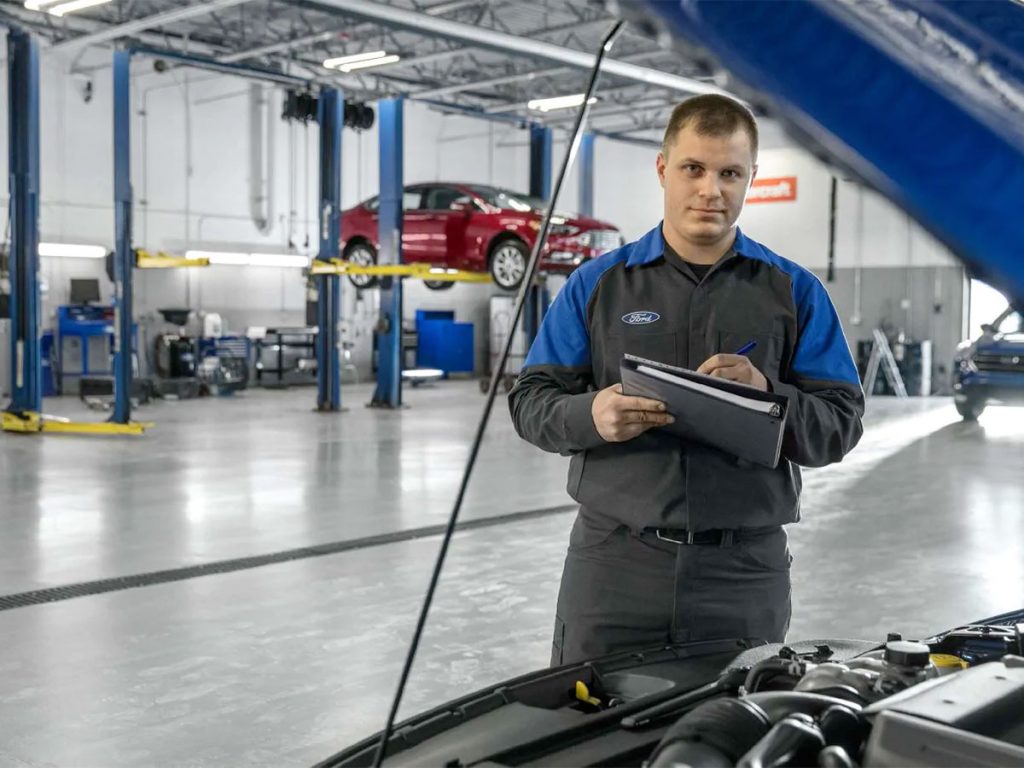
Thorough inspection ensures your used Ford truck investment delivers years of reliable service
Critical Interior Evaluation
The interior condition provides valuable insights into how well the previous owner maintained the vehicle. Beyond simple wear and tear, the cabin reveals maintenance habits and potential electrical or mechanical issues.
Cabin Comfort and Functionality
Step inside and assess the overall condition systematically. Start by testing all seats for wear, tears, and proper adjustment mechanisms. Every seat should move smoothly through its full range of motion without binding or excessive play.
Check that all electrical components work properly, including lights, radio, air conditioning, and power windows. Modern Ford trucks have numerous electrical systems, and repairs can be expensive. Inspect the dashboard for cracks or excessive wear that might indicate sun damage or age. Finally, verify that all gauges and warning lights function properly - a simple key-on test should illuminate all warning lights briefly.
Technology and Features
Modern Ford trucks come equipped with various technology features that enhance both comfort and functionality. These systems require careful testing to ensure proper operation.
Test the infotainment system and connectivity options thoroughly. Check USB ports, charging capabilities, and Bluetooth functionality to ensure all connections work properly. Verify that any premium features like heated seats, navigation systems, or advanced driver assistance systems operate correctly. These features significantly impact the truck's value and your daily driving experience.
| Inspection Area | What to Check | Red Flags |
|---|---|---|
| Seats & Upholstery | Wear, tears, adjustment mechanisms | Excessive wear, non-functioning adjustments |
| Electrical Systems | All lights, windows, locks, mirrors | Multiple non-functioning components |
| Dashboard | Cracks, wear, gauge functionality | Warning lights staying on, non-working gauges |
| HVAC System | Heating, cooling, fan speeds | Weak airflow, unusual odors, no temperature control |
| Technology Features | Infotainment, USB, Bluetooth | System freezes, connectivity issues |
Engine and Mechanical Inspection
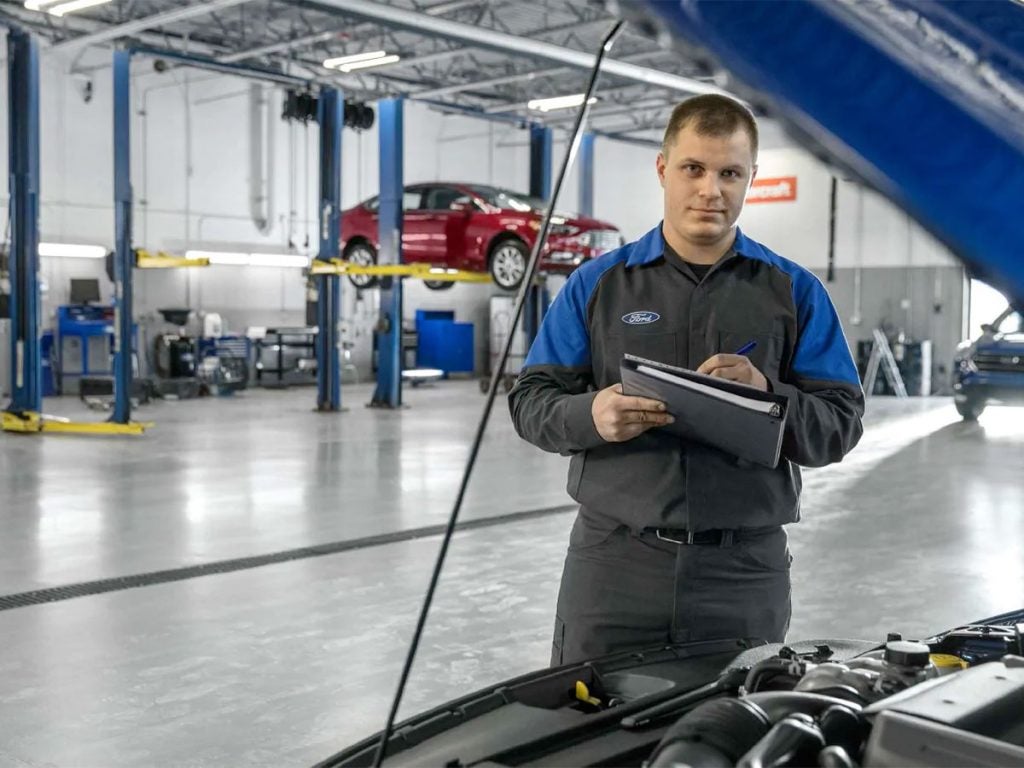
The mechanical condition ultimately determines whether a used truck will provide reliable service or become a money pit. A thorough mechanical inspection, combined with a comprehensive test drive, reveals the truck's true condition.
Under the Hood Examination
Pop the hood and look for key indicators of maintenance and potential problems. Start by checking all fluid levels and conditions - oil should be relatively clean without metal particles, and coolant should be clear without oil contamination.
Examine belt and hose conditions carefully, looking for cracks, fraying, or excessive wear that might indicate upcoming maintenance needs. Check the battery condition, including terminals for corrosion and secure connections. Finally, assess overall engine bay cleanliness - excessive dirt or oil residue may indicate poor maintenance or developing leaks.
Fluid Analysis
Check oil, coolant, brake fluid, and transmission fluid for proper levels and condition
Belt & Hose Inspection
Look for cracks, wear, or signs of impending failure
Engine Bay Condition
Clean engine bay indicates good maintenance habits
Performance Testing
During your test drive, pay close attention to how the truck performs under various conditions. The test drive reveals issues that static inspection might miss.
Monitor engine startup - it should turn over quickly and idle smoothly without unusual noises or vibrations. Test transmission shifting in automatic transmissions, which should shift seamlessly without slipping or harsh engagement. Evaluate steering responsiveness, checking for no excessive play or vibration at various speeds. Finally, test braking performance - the pedal should feel firm with no grinding sounds or pulling to either side.
Tire and Suspension Check
Tires and suspension components significantly impact both safety and future maintenance costs. These systems work together to provide a safe, comfortable ride, and problems in one area often affect the other.
Tire Condition Analysis
Tires tell a story about vehicle maintenance and alignment. Uneven wear patterns can indicate suspension problems, alignment issues, or neglected rotation schedules.
Check tread depth using the penny test - Lincoln's head should be partially covered when inserted upside down into the tread. Look for even wear patterns across all tires, as uneven wear indicates alignment or suspension issues. Inspect sidewalls for cracks, bulges, or damage that could lead to dangerous blowouts. Verify that all tires match in brand and size, as mismatched tires can cause handling problems and drivetrain damage in four-wheel-drive models.
Suspension System Evaluation
A thorough suspension check reveals expensive potential repairs and impacts ride quality significantly. Ford trucks are known for durability, but suspension components wear over time, especially with heavy use.
Conduct a visual inspection of shocks and struts for leaks or damage. Test for excessive bounce when pressing down on corners - the truck should settle quickly without continued bouncing. Listen for unusual noises when driving over bumps, as clunks or rattles indicate worn components. Check for proper vehicle height and level stance, as sagging can indicate worn springs or overloading history.
Documentation and History Review
Proper documentation provides crucial context for your physical inspection findings. A well-documented maintenance history often indicates a truck worth purchasing, even if it shows some wear.
Essential Paperwork
Always request and thoroughly review all available documentation before making a purchase decision. Start with a comprehensive vehicle history report from Carfax or AutoCheck, which reveals accident history, ownership changes, and reported maintenance.
Examine maintenance records showing regular service intervals and major repairs. Consistent oil changes and scheduled maintenance indicate responsible ownership. Verify title status, ensuring clear ownership without liens or salvage history. Review any remaining warranty information, including factory warranties or extended service contracts that might transfer.
Red Flags to Avoid
Be cautious of vehicles with warning signs that indicate potential problems or dishonest sellers. Multiple previous owners in a short timeframe often indicates persistent problems. Flood damage or significant accident history can cause ongoing electrical and mechanical issues.
Missing or incomplete maintenance records make it impossible to verify proper care. Be especially wary of unusually low prices that seem too good to be true - they usually indicate hidden problems or questionable history.
| Document Type | What It Reveals | Why It's Important |
|---|---|---|
| Vehicle History Report | Accidents, ownership, service records | Identifies major issues and ownership patterns |
| Maintenance Records | Service intervals, repairs performed | Confirms proper care and upcoming maintenance needs |
| Title Documentation | Legal ownership, liens, salvage status | Ensures clean transfer and no hidden issues |
| Warranty Information | Coverage remaining, transferability | Potential savings on future repairs |
| Pre-Purchase Inspection | Professional mechanical assessment | Independent verification of condition |
Find your perfect used Ford truck with confidence using our comprehensive inspection guide
Your Complete Buying Used Ford Truck Checklist
Use this comprehensive checklist to ensure you don't miss any critical inspection points. Print it out and bring it along when viewing potential purchases.
Exterior Inspection
- Body condition and paint consistency
- Rust or corrosion inspection
- Truck bed evaluation
- Light functionality test
Interior Inspection
- Seat condition and adjustment mechanisms
- Electrical systems test
- Dashboard and gauge functionality
- Technology features verification
Mechanical Inspection
- Engine inspection and test drive
- Transmission performance evaluation
- Brake system check
- Steering and suspension assessment
Documentation Review
- Vehicle history report analysis
- Maintenance records review
- Title verification
- Warranty information check
Why Consider Dennis Sneed Ford for Your Used Truck Purchase
When shopping for a used Ford truck, working with a reputable dealer like Dennis Sneed Ford offers several distinct advantages that protect your investment and provide peace of mind.
Dennis Sneed Ford offers certified pre-owned options with extended warranties, giving you additional protection beyond standard used vehicle purchases. Their professional inspection process ensures vehicle quality before trucks reach the lot. The dealership provides financing assistance to help secure competitive rates, making your purchase more affordable. Plus, they offer complete service history transparency, so you know exactly what you're buying.
Final Recommendations
Taking time to thoroughly inspect a used Ford truck before purchase protects your investment and ensures years of reliable service. Don't rush the process – a comprehensive evaluation using this buying used Ford truck checklist helps identify potential issues before they become expensive problems.
Remember that even with careful inspection, having a trusted mechanic perform a pre-purchase inspection provides additional assurance. This small investment upfront can save thousands in unexpected repairs down the road.
Whether you're hauling equipment for work, towing recreational vehicles, or simply need a dependable daily driver, following these guidelines helps ensure your used Ford truck purchase meets your needs and exceeds your expectations for years to come.
Frequently Asked Questions
What should I inspect first when buying a used Ford truck?
Start with a thorough exterior inspection. Check the body for rust, dents, or mismatched paint, and evaluate the truck bed for signs of heavy use or damage. Ensuring the exterior is in good condition can save you costly repairs later.
How important is the truck's maintenance history?
Extremely important. Reviewing service records, vehicle history reports, and verifying previous ownership helps identify potential issues and ensures the truck has been properly maintained, giving you peace of mind.
Which mechanical components should I test before purchasing?
Key areas include the engine, transmission, brakes, steering, suspension, and tires. Conduct a test drive to check for smooth shifting, responsive handling, and any unusual noises or vibrations.
Are certified pre-owned Ford trucks a better choice?
Yes. Certified pre-owned trucks at dealers like Dennis Sneed Ford come with professional inspections, extended warranties, and transparent service histories, providing added confidence and protection for your purchase.
Should I have a mechanic inspect the truck before buying?
Absolutely. Even if the truck appears well-maintained, a professional pre-purchase inspection can uncover hidden issues and prevent unexpected repair costs, making it a worthwhile investment.