Blog

Ford F250 Section 179 Tax Deduction Guide for 2026

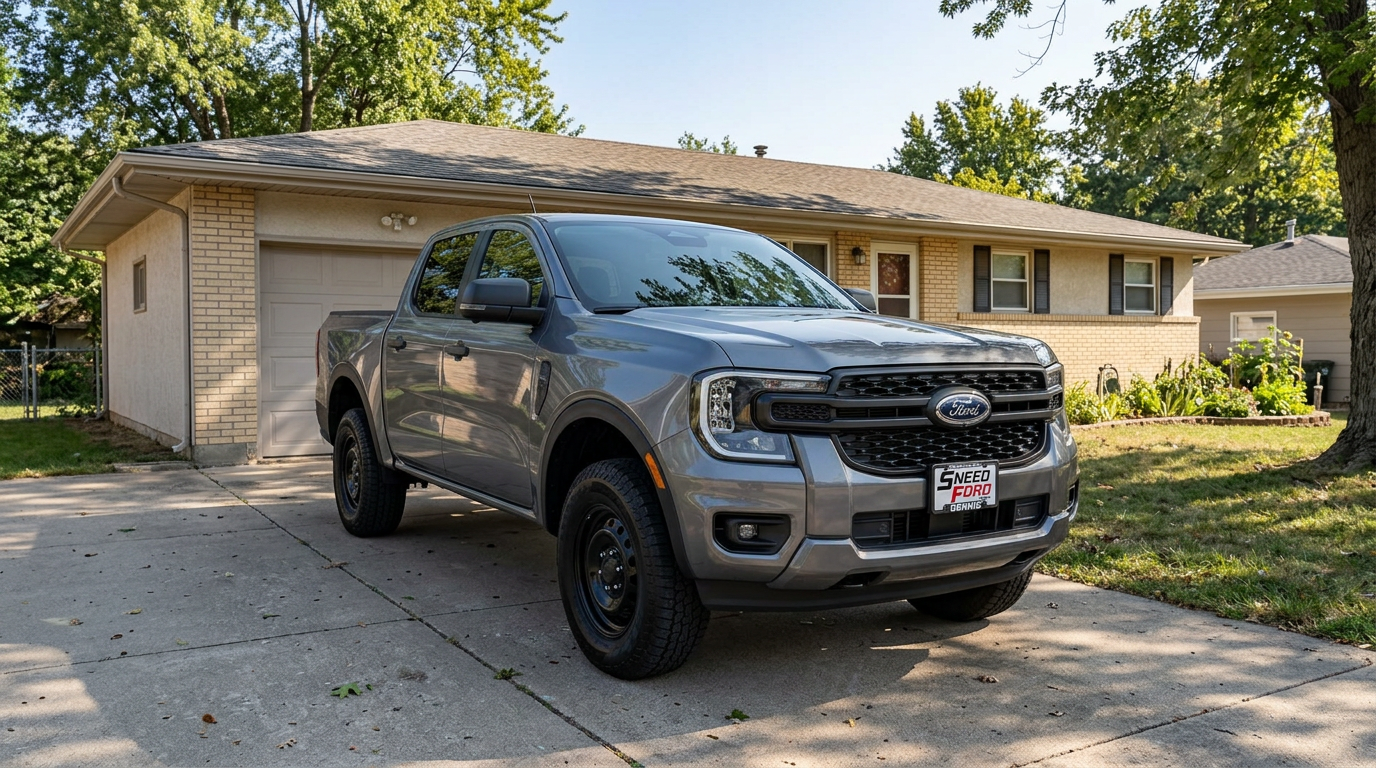
Ford F-250 Super Duty Section 179 tax deduction guide at Dennis Sneed Ford in Gower Missouri

At Dennis Sneed Ford in Gower, Missouri, we help business owners understand how buying the right work truck can put serious money back in their pocket immediately. The Ford F-250 Super Duty isn't just one of the most capable trucks on the market — for qualifying businesses, it's also one of the smartest tax moves you can make in 2026.

Thanks to the One Big Beautiful Bill Act, the 2026 Section 179 deduction limit has jumped dramatically to $2,560,000 — more than double the 2024 cap — and 100% bonus depreciation has been fully restored. That means a business purchasing a Ford F-250 Super Duty this year can potentially write off the entire purchase price in the same year they buy it, creating immediate cash flow relief rather than waiting years for depreciation to trickle through.

This guide walks you through how Section 179 works, why the F-250 qualifies without the vehicle caps that limit SUVs and cars, how to calculate your actual tax savings, what documentation you need, and common mistakes to avoid. As always, this is educational information — consult your tax professional for advice tailored to your specific business situation.

Explore Ford Super Duty Trucks at Dennis Sneed Ford

Why the Section 179 Deduction Matters for Business Owners

Section 179 of the IRS tax code is one of the most powerful tools available to businesses that purchase equipment. Instead of depreciating a truck's cost over five to seven years, Section 179 lets you deduct the full purchase price in the year you place the vehicle in service. The financial impact is immediate: lower taxable income, lower taxes owed, and more cash available to reinvest in your business.

For 2026, the benefit is better than it's ever been:

  • Maximum Section 179 deduction: $2,560,000 for qualifying equipment placed in service during the tax year
  • Phase-out threshold: $4,090,000 in total qualifying purchases — well above what most small and mid-size businesses will spend in a year
  • 100% bonus depreciation restored for property placed in service after January 19, 2025, giving businesses an additional tool beyond Section 179
  • Both new and used vehicles qualify — pre-owned F-250 trucks are fully eligible as long as the vehicle is new to your business
Section 179 Feature2026 DetailsBusiness Impact
Maximum Deduction Limit$2,560,000Write off equipment purchases fully in year one
Phase-Out ThresholdBegins at $4,090,000Applies to total qualifying equipment spending for the year
Business Use RequirementMore than 50%Must track and document business mileage carefully
Taxable Income LimitationCannot exceed business incomeUnused amounts carry forward to the following tax year
Bonus Depreciation100%No taxable income limitation; can create a loss

One important note: Section 179 cannot reduce your taxable income below zero. If your deduction exceeds your business income for the year, the unused portion carries forward to the following tax year. This is where a combination with bonus depreciation — which has no taxable income limitation — can be powerful. Talk to your CPA about the optimal approach for your situation.

Why the Ford F-250 Super Duty Qualifies Without a Cap

Not all vehicles are equal under Section 179. The IRS places strict deduction caps on many business vehicles — but the F-250 Super Duty avoids them entirely. Here's why.

The GVWR Threshold That Changes Everything

The IRS classifies vehicles for tax purposes based on Gross Vehicle Weight Rating (GVWR) — the maximum loaded weight of the vehicle as certified by the manufacturer. You'll find this number on a sticker inside your driver's door jamb. The 6,000 lb GVWR threshold is the dividing line:

  • Passenger cars under 6,000 lbs GVWR: highly limited deductions (small annual caps)
  • SUVs and crossovers between 6,000–14,000 lbs GVWR: deduction is capped at $32,000 for 2026
  • Heavy-duty pickup trucks like the F-250 with a GVWR over 6,000 lbs: no deduction cap — full purchase price eligible

The F-250 Super Duty's GVWR ranges from approximately 8,800 to 10,000 lbs depending on configuration — well above the threshold that would impose any cap. Every F-250 at Dennis Sneed Ford qualifies for full, uncapped Section 179 treatment.

Vehicle TypeTypical GVWR2026 Section 179 Cap
Passenger SedansUnder 6,000 lbsVery limited annual cap
SUVs and Crossovers6,000–14,000 lbs$32,000 maximum
Ford F-250 Super Duty~8,800–10,000 lbsNo cap — full deduction

Every Trim, Cab Style, and Engine Qualifies

There's no wrong choice when it comes to Section 179 eligibility across the F-250 lineup. Every configuration qualifies because every configuration exceeds the GVWR threshold by a wide margin:

  • All six trim levels qualify: XL, XLT, Lariat, King Ranch, Platinum, and Limited
  • All cab configurations qualify: Regular Cab, SuperCab, and Crew Cab
  • Both engine options qualify: 6.7L Power Stroke Diesel and gasoline engines
  • Higher trims and diesel engines increase your purchase price — which means a larger dollar deduction

Choose the F-250 configuration that fits your business needs and workload. Explore the full Ford Super Duty lineup or see how the F-150 and F-250 compare if you're weighing which Super Duty is right for your operation.

How to Calculate Your 2026 Section 179 Tax Savings

The math behind your tax savings is straightforward. Here's a step-by-step calculation, followed by two real-world scenarios:

Step 1: Start with your F-250's purchase price (including any options or accessories).
Step 2: Multiply by your business use percentage (if less than 100%). This is your deductible basis.
Step 3: Confirm the deductible basis doesn't exceed your 2026 taxable business income or the $2,560,000 Section 179 limit.
Step 4: Multiply your deductible amount by your combined effective tax rate (federal + state).
Step 5: Subtract that figure from the purchase price to find your true after-tax cost.

Scenario 1: Contractor Buying a New F-250 Lariat
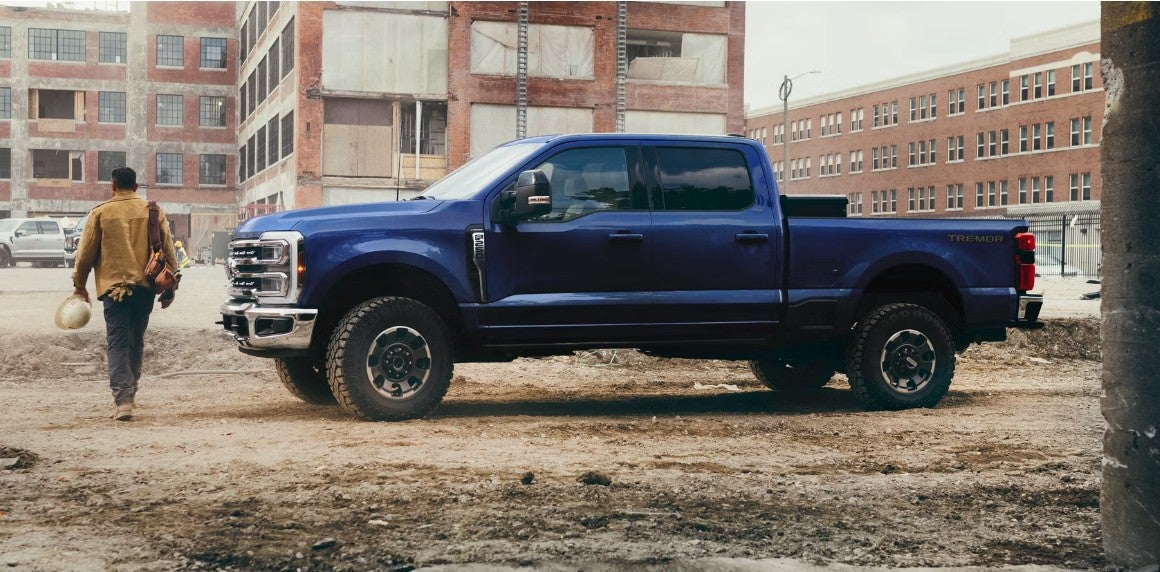
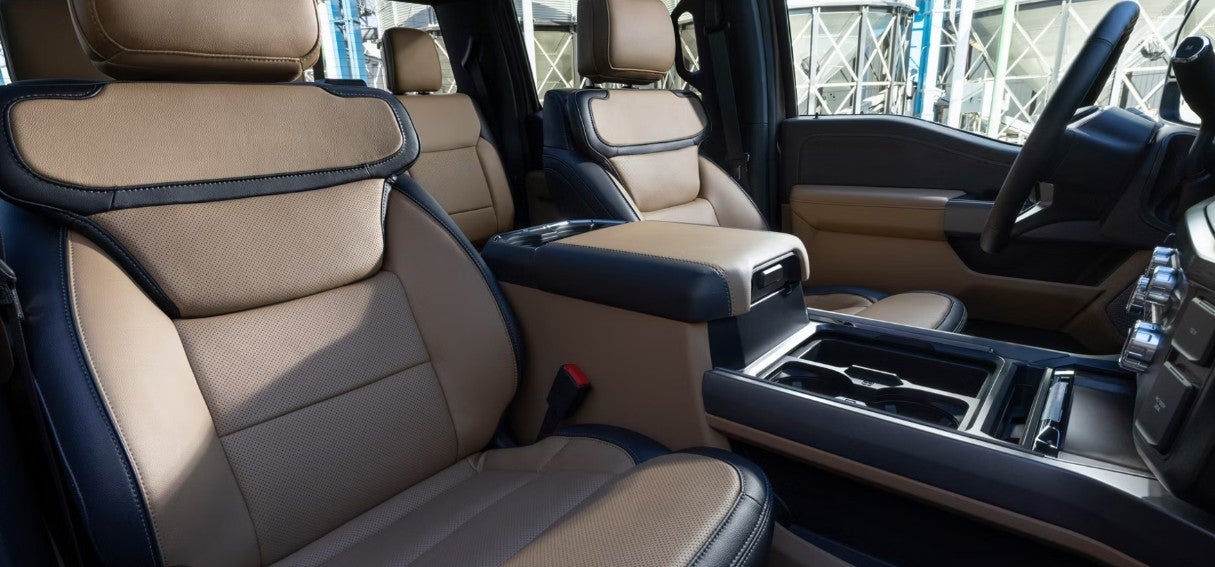
Ford F-250 Super Duty Lariat — qualifies for full Section 179 deduction in 2026
Calculation StepAmount
F-250 Lariat Purchase Price$82,000
Business Use Adjustment (90%)$73,800
Tax Savings (32% combined rate)$23,616
Effective After-Tax Cost$58,384

Scenario 2: Landscaper Adding a Pre-Owned F-250 to Her Fleet

Calculation StepAmount
Pre-Owned F-250 XLT Purchase Price$58,000
Business Use (100% — dedicated work truck)$58,000
Tax Savings (28% combined rate)$16,240
Effective After-Tax Cost$41,760

These scenarios illustrate one of the most important facts about Section 179: the truck doesn't have to be new to qualify. Both new and quality pre-owned F-250 Super Duty trucks at Dennis Sneed Ford are fully eligible — the deduction is based on your actual purchase price, not whether the vehicle is new. The key requirement for used vehicles is simply that it must be new to your business, purchased from an unrelated party.
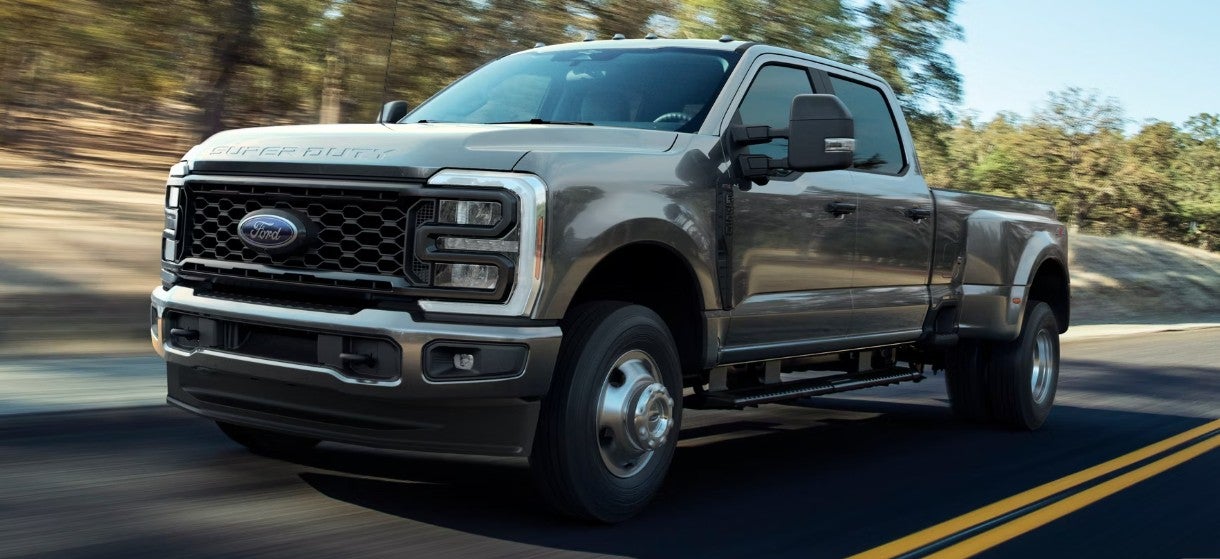
Ford F-250 Super Duty at work on a job site near Gower Missouri Dennis Sneed Ford

Business Use Requirements and Record-Keeping Rules

Qualifying for Section 179 isn't just about buying the right truck — it's about using it correctly and documenting that use every year you own it. The IRS has clear rules, and the consequences for falling short can be costly.

The 50% Business Use Threshold

Your F-250 must be used more than 50% for business to qualify for Section 179 — and this requirement applies in every subsequent year, not just the year of purchase. If business use drops to 50% or below in a later year, the IRS will require you to pay back a portion of the deduction you claimed (called "recapture"), including interest and potential penalties.

Activity TypeCounts as Business UseDoes Not Count
Job Site TravelDriving to client sites, customer locations, work projectsCommuting from home to a fixed regular workplace
Equipment and Material TransportHauling tools, materials, livestock, business suppliesMoving personal belongings or household goods
Customer and Supplier VisitsService calls, sales meetings, deliveries, pickupsPersonal shopping, social visits, family errands
Travel Between LocationsMultiple work sites, supplier visits, business conferencesVacation travel, recreational trips, personal events

The Mileage Log: Your Most Important Document

The IRS requires contemporaneous records — meaning you document each business trip as it happens, not months later from memory. A solid mileage log for each business trip should include:

  • Date of the trip and starting location
  • Destination address or description
  • Business purpose of the trip (specific enough to be clear)
  • Miles driven (starting and ending odometer is ideal)
  • Beginning and ending odometer reading for each calendar year

Smartphone apps can automate much of this tracking. Paper logbooks work equally well. What matters is consistency. Keep these records for at least five to seven years — the IRS statute of limitations for audits. One additional note: if you claim Section 179 or bonus depreciation, you are required to use the actual expense method for that vehicle going forward. You cannot switch back to the standard mileage rate, so keep all receipts for fuel, maintenance, insurance, and repairs as well.

Section 179 and Bonus Depreciation: Using Both Strategically

Section 179 and bonus depreciation are two separate tax tools, and for 2026 both are at peak strength. Understanding how they work together lets your tax advisor structure your deduction for maximum benefit.

  • Section 179: Deduct up to $2,560,000 in qualifying purchases in year one. Limited to your taxable business income — cannot create a loss. Unused amounts carry forward to the next year.
  • Bonus Depreciation (100% for 2026): Applies to the remaining basis after Section 179. No taxable income limitation — can create or increase a loss, which may carry forward and benefit future years.
  • You cannot apply both provisions to the same dollar of asset cost — but you can use Section 179 first (up to your taxable income), then apply bonus depreciation to any remaining eligible basis.

Example: Your business has $60,000 in taxable income and purchases an $85,000 F-250 (used 100% for business). You elect $60,000 under Section 179 to zero out your taxable income, then apply 100% bonus depreciation to the remaining $25,000 basis. Your total first-year write-off equals the full $85,000 purchase price. Always confirm the optimal structure with your CPA — every business situation is different.

Timing Your F-250 Purchase for Maximum Tax Benefit

To claim a Section 179 deduction for the 2026 tax year, your F-250 must be placed in service by December 31, 2026. "Placed in service" means the truck is in your possession, registered, and available for business use — not just ordered or under contract. Payment alone doesn't satisfy the requirement.

Here's what makes year-end timing risky if you wait too long:

Timeline PhaseRecommended TimingWhy It Matters
Initial Research and Financing6–8 weeks before year-endTime to explore options and secure financing without pressure
Vehicle Selection and Pricing4–6 weeks before year-endEnsures your preferred F-250 configuration is available
Purchase and Paperwork2–3 weeks before December 31Provides buffer for documentation or registration delays
Final DeliveryAt least one week before deadlineGuarantees vehicle is placed in service before 2026 tax deadline

Note that the deduction is the same whether you purchase in January or November — what changes is which tax year it applies to. If your goal is a 2026 deduction, don't wait until the final week of December. Holiday schedules, Missouri weather, title processing delays, and high year-end demand all create risks. Our team at Dennis Sneed Ford is experienced in helping business customers meet year-end deadlines — but start early.

Financing, Leasing, and Common Mistakes to Avoid

Good news if you're financing: Section 179 allows you to deduct the full purchase price of your F-250 in year one, even if you financed 100% of it. The deduction is based on the truck's total cost, not your down payment or payments made during the year. For many business owners, the tax savings in year one are comparable to or exceed the first year of truck payments — making a financed Super Duty remarkably accessible.

If you're leasing: Traditional leases do not qualify for Section 179 (you don't own the vehicle). However, monthly lease payments are generally deductible as a business expense proportional to business use. Some capital lease or lease-to-own arrangements may qualify — confirm with your tax advisor. For maximum first-year tax benefit, purchasing is the recommended route.

Three common mistakes that can cost you your deduction:

  • Exceeding personal use limits: Using your F-250 as the family's everyday vehicle can push business use below the required 50% threshold. Track every mile and stay honest with your estimates. If you're unsure whether you'll consistently clear 50%, standard depreciation may be safer than Section 179.
  • Inadequate record-keeping: The IRS puts the burden of proof on you. Reconstructed logs created months after the fact are far less defensible than contemporaneous records. Start your mileage log from day one and maintain it every week.
  • Missing the in-service deadline: Taking delivery on January 2nd instead of December 31st delays your deduction by a full year. For a business expecting $25,000 in tax savings, that's a meaningful cash flow setback. Plan ahead and give yourself at least one week of buffer before the deadline.

Apply for Business Financing at Dennis Sneed Ford

Why Dennis Sneed Ford Is the Right Partner for Your Business Vehicle Purchase

At Dennis Sneed Ford in Gower, Missouri, we understand that buying a work truck is a business decision as much as it is a vehicle decision. We specialize in helping contractors, farmers, landscapers, tradespeople, and business owners across northwest Missouri find the right F-250 Super Duty configuration for their operations — and we provide the complete documentation your tax professional needs to claim the Section 179 deduction with confidence.

  • Detailed purchase invoice with vehicle price, make, model, VIN, and sale date — everything your CPA needs
  • GVWR specification documentation confirming your F-250 qualifies for full, uncapped Section 179 treatment
  • Manufacturer's Certificate of Origin (new trucks) or title documentation (pre-owned trucks)
  • Finance team experienced in structuring business vehicle purchases to maximize cash flow and tax benefits
  • Wide Super Duty inventory across trim levels, cab styles, and engine options — in stock and ready to view in Gower

We're also equipped to help you long after the purchase. Our Ford-certified service center keeps your work truck running at full capability, and our team is happy to provide additional documentation if your accountant has follow-up questions. We're not your tax advisor — but we make sure you have everything your tax advisor needs to do the job right.

For more truck research, read our related posts: 2025 Ford Super Duty towing capacity, pickup trucks with the best longevity, and what to look for when buying a used Ford truck.

Your Tax Savings Start Here: Find Your F-250 at Dennis Sneed Ford

The 2026 Section 179 deduction is the most powerful version of this benefit ever offered — with a $2,560,000 limit and 100% bonus depreciation fully restored, business owners have more first-year write-off potential than at any point in recent history. The Ford F-250 Super Duty is uniquely positioned to take full advantage: its GVWR eliminates the caps that limit SUVs, every trim level qualifies for full deductions, and its unmatched capability means it earns its place in your operation every day.

Visit Dennis Sneed Ford at 1046 S.W. Highway 169 in Gower, Missouri — conveniently located on the I-29 corridor between Kansas City and St. Joseph. Call our sales team at (816) 409-1975, schedule a test drive, or browse our full Super Duty inventory online. Our team is ready to help you find the right F-250, build a purchase strategy around your timeline, and put the documentation in your hands before tax season.

Disclaimer: This article is for general informational purposes only and does not constitute tax, legal, or financial advice. Tax laws change frequently and individual circumstances vary. Always consult a qualified tax professional or CPA to determine your eligibility and optimize your specific tax strategy.
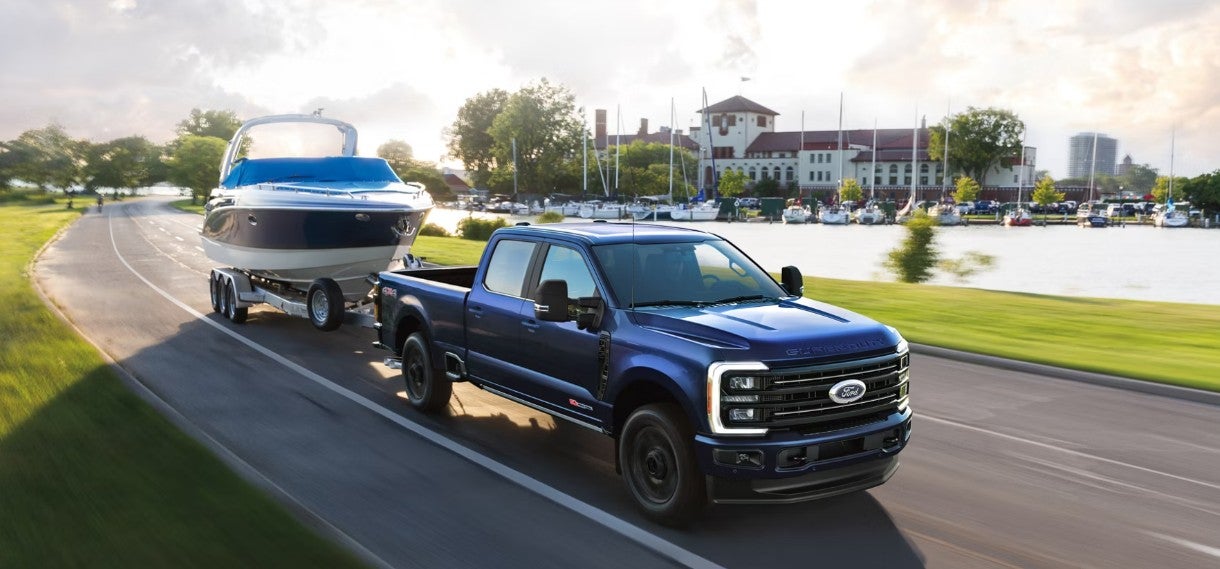
Ford F-250 Super Duty at Dennis Sneed Ford dealership in Gower Missouri

Schedule Your F-250 Test Drive at Dennis Sneed Ford

Frequently Asked Questions

Does the Ford F-250 Super Duty qualify for the full Section 179 deduction without a vehicle cap?

Yes. The Ford F-250 Super Duty qualifies for a full, uncapped Section 179 deduction. Because its Gross Vehicle Weight Rating (GVWR) exceeds 6,000 lbs — typically ranging from 8,800 to 10,000 lbs depending on configuration — it is not subject to the $32,000 cap that applies to SUVs. This means you can potentially deduct the entire purchase price of your F-250 in the year you place it in service, up to the 2026 maximum of $2,560,000, provided your business meets the business use and taxable income requirements. At Dennis Sneed Ford in Gower, Missouri, every F-250 in our inventory qualifies. We can show you the GVWR certification label on any truck you're considering.

Can I still claim Section 179 if I finance my Ford F-250 purchase?

Absolutely. Financing your F-250 — even 100% of the purchase price — does not reduce or eliminate your Section 179 deduction. The deduction is based on the vehicle's total purchase price, not your down payment or what you've paid during the year. Many of our business customers find that their first-year tax savings equal or exceed their first year of truck payments, making a financed Super Duty a very efficient use of working capital. Our finance team at Dennis Sneed Ford works with multiple lenders and can help structure a loan that fits both your cash flow and your tax strategy. Always confirm the final details with your CPA.

What is the 2026 Section 179 deduction limit, and how does the phase-out work?

For 2026, the Section 179 maximum deduction is $2,560,000 — more than double the 2024 limit — thanks to the One Big Beautiful Bill Act and annual inflation adjustments. The phase-out begins when your total qualifying equipment purchases for the year exceed $4,090,000, reducing your available deduction dollar-for-dollar above that threshold. For most small and mid-size businesses, these limits are far above their annual equipment spending, meaning the full deduction is available. Additionally, 100% bonus depreciation has been restored for qualifying property placed in service after January 19, 2025, providing a complementary tool for businesses whose Section 179 deduction is limited by taxable income. Confirm current limits with your tax professional before filing.

What percentage of business use is required, and what happens if it drops later?

Your Ford F-250 must be used more than 50% for qualifying business purposes — meaning at least 51% or greater. If your business use falls to 50% or below in any year after you've claimed Section 179, the IRS can require recapture of a portion of the deduction, resulting in additional taxable income, taxes owed, interest, and potential penalties. This requirement applies in every year you own the vehicle, not just the purchase year. To protect your deduction, maintain a detailed, contemporaneous mileage log from day one, documenting each business trip with the date, destination, purpose, and miles driven. If there's meaningful doubt about whether you can consistently maintain more-than-50% business use, consider standard depreciation methods instead — your tax advisor can help you evaluate the risk.

What is the difference between Section 179 and Bonus Depreciation for an F-250 purchase?

Both Section 179 and Bonus Depreciation allow you to write off equipment costs in the year of purchase rather than over several years, but they work differently. Section 179 lets you deduct up to $2,560,000 for 2026 but cannot exceed your business's taxable income — it cannot create a loss. Bonus depreciation (100% for 2026) has no taxable income limitation and can create or increase a loss, which may carry forward to benefit future years. A common strategy is to use Section 179 first, up to your taxable income limit, then apply bonus depreciation to any remaining eligible basis. You cannot apply both to the same dollar amount of cost. For an F-250 purchase, the right approach depends on your business's income, other equipment purchases, and long-term tax planning. Your CPA can determine the optimal combination for your specific situation. Dennis Sneed Ford provides all the purchase documentation your tax advisor needs to make this determination accurately.

Recommended Posts

ford ranger used cars

Used Ford Ranger Buying Guide: What to Check First

On a used Ranger, one option matters more than mileage, trim, or color: whether it has the Trailer Tow Package. It cannot be added later, and without it the truck is rated for considerably less than the 7,500 lbs people assume. Here is what to check before you buy, and how our remarketing program puts them on the lot in Gower. Where do the used Rangers at Dennis Sneed Ford come from? Most come directly from Ford. Dennis Sneed Ford is a Top 5 Ford remarketing dealer nationally, purchasing 1,100+ late-model Ford and Lincoln vehicles straight from Ford each year. That gives us a sourcing channel most dealerships our size do not have, so late-model used Rangers turn up here regularly rather than only when one is traded in. Remarketing is how off-lease, factory, and program vehicles come back through Ford and get placed with dealers who buy at volume. On a truck as configuration-dependent as the Ranger — three engines, two drivetrains, and an option that determines its tow rating — that variety is the difference between finding the right one and settling. What should you check first on a used Ranger? The Trailer Tow Package, the drivetrain, and the engine, before you look at mileage. Those three decide what the truck can actually do. Two Rangers with the same badge and similar odometer readings can differ by thousands of pounds of capability. What to check Why it matters Trailer Tow Package Determines the tow rating, and cannot be added after purchase 4x2 or 4x4 Changes payload, winter capability, and gravel-road confidence 2.3L or 2.7L engine 90 lb-ft of torque apart; also changes payload by roughly 250 lbs FX4 Off-Road Package Off-road hardware; requires 4x4, so its presence confirms the drivetrain Payload on the door jamb The real number for that specific truck, not the brochure maximum History report We provide free Autocheck and Carfax on our used inventory The one that cannot be fixed later: the Trailer Tow Package. Everything else on a truck can be added, swapped, or lived with. A Ranger that left the factory without the tow package will never have the full rating, no matter what you bolt to it afterward. Check for the trailer brake controller and the wiring connectors. Which used Ranger configuration should you look for? For most buyers, an XLT with four-wheel drive and the Trailer Tow Package. That combination covers towing, winter, and gravel roads without the price step of a Lariat, and the XLT is the volume model so used examples turn up more often than XL, Lariat, or Raptor. Best odds of finding one: XLT. It outsells the others by a wide margin. Maximum capability for the money: an XL with the tow package. It pulls exactly as much as a Lariat. You want the stronger engine: look for the 2.7L V6, offered on XLT and Lariat only. You want maximum payload: the 2.3L with two-wheel drive carries the most. You want off-road hardware: look for FX4, which requires four-wheel drive. You want the Raptor: know going in that it tows less than every other Ranger. One note on model years: the Ranger has changed substantially across recent generations in engines, equipment, and trim structure. Match the badge to the specific model year in front of you rather than assuming a name means the same thing across the years, and read the window sticker rather than the listing title. Should you buy a used Ranger or order new? Order new if you need a specific combination, particularly if towing matters — the Trailer Tow Package is not something you can add to a used truck that lacks it. Buy used if you find one configured the way you need and the model year suits you. That is the honest framing on this truck. On most vehicles the used-versus-new question is about price and mileage. On a Ranger it is mostly about whether the specific truck in front of you has the options that determine what it can do. A used XLT with 4x4 and the tow package is a strong buy. A used XLT without the tow package, when you plan to tow, is a compromise you will feel every time you hitch something up. Search Used Inventory Search New Ranger Inventory Value Your Trade What is a manufacturer buyback Ranger? A manufacturer buyback is a vehicle originally sold as new, repurchased by Ford because of a warranty concern, repaired by Ford, and released for resale. It may carry a branded title. It is not a salvage or rebuilt-title vehicle, and it was not in an accident, flooded, or declared a total loss by an insurer. Dennis Sneed Ford is one of a limited number of Ford dealers nationally that participates in this program. We state the branded title part plainly because it is the most important thing to understand before buying one, and it is why these are offered at a discount. We provide a free Autocheck and Carfax on every one so you can review the history yourself. The vehicle comes with the balance of the original factory warranty or a 12-month/12,000-mile warranty, whichever is longer. It is not right for every buyer — if you plan to trade in a few years, factor the branded title into that decision. Full detail is on our manufacturer buyback program page. Where can you see used Rangers near Kansas City? At Dennis Sneed Ford in Gower, MO — 1046 S.W. Highway 169, about 45 minutes north of the Kansas City metro on US-169 and roughly 30 minutes south of St. Joseph. Call 816-409-1975 to check what is on the lot before you drive up. Roughly 60% of our business comes from the Kansas City metro — Liberty, Smithville, Kearney, Overland Park, Lees Summit, and the surrounding suburbs, along with St. Joseph, Maryville, and Savannah to the north. Tell us what you tow and we will read you the window sticker before you make the drive. THE SNEED DIFFERENCE 30 years. Family-owned. Sourced, not accumulated. Top 5 Ford remarketing dealer in the country — 1,100+ late-model Ford and Lincoln vehicles purchased directly from Ford each year. Ford Credit Partners in Quality — one of roughly 111 dealers nationally recognized for the highest customer satisfaction and loyalty. One of a limited number of Ford manufacturer buyback dealers nationally, with free Autocheck and Carfax provided. We will read you the window sticker on any Ranger on the lot, so you know whether it has the tow package before you drive up. Used Ford Ranger questions, answered Does Dennis Sneed Ford have used Ford Rangers for sale? Availability changes regularly. As a Top 5 Ford remarketing dealer nationally we purchase 1,100+ late-model Ford and Lincoln vehicles directly from Ford each year, which gives us a sourcing channel most dealerships our size do not have, so late-model used Rangers turn up here more often than at most stores. Call 816-409-1975 to check current inventory. What should I check before buying a used Ford Ranger? Check for the Trailer Tow Package, the drivetrain, and the engine before mileage. The tow package determines the truck's tow rating and cannot be added after purchase. Four-wheel drive changes payload and capability, and the 2.7L V6 differs from the 2.3L by 90 lb-ft of torque and about 250 lbs of payload. Confirm all of it on the window sticker rather than the listing description. Can you add a tow package to a used Ranger? Not in a way that restores the factory rating. The Trailer Tow Package is a factory option that must be ordered with the truck, and a Ranger built without it will not carry the full rating regardless of what is added afterward. Look for the trailer brake controller and wiring connectors to confirm a used truck has it. How can I tell if a used Ranger has four-wheel drive? Check the window sticker or look for the drivetrain selector in the cabin. The presence of the FX4 Off-Road Package also confirms it, since FX4 requires four-wheel drive. Four-wheel drive affects payload as well as capability, so it is worth verifying rather than assuming from the trim. What is a manufacturer buyback Ford Ranger? It is a vehicle originally sold as new, repurchased by Ford because of a warranty concern, repaired by Ford, and released for resale. It may carry a branded title. It is not a salvage or rebuilt-title vehicle and was not in an accident, flood damaged, or declared a total loss by an insurance company. It comes with the balance of the original factory warranty or a 12-month/12,000-mile warranty, whichever is longer. How far is Dennis Sneed Ford from Kansas City? Dennis Sneed Ford is at 1046 S.W. Highway 169, Gower, MO 64454, about 45 minutes north of the Kansas City metro on US-169 and roughly 30 minutes south of St. Joseph. From the Northland the drive is closer to 30 minutes. Call 816-409-1975 for hours and directions. Keep researching the Ranger If you are weighing used against new, the complete 2026 Ford Ranger buyer's guide covers all four models and three engines. Our towing and payload guide explains what 7,500 lbs actually means once there is a trailer behind you, the trims guide covers XL through Raptor, the Ranger vs F-150 comparison settles the size question, and the colors guide has all nine with paint codes. For the model overall, start at the Ford Ranger at Sneed Ford. Search Used Inventory Manufacturer Buyback Program Call 816-409-1975 Carey Sneed Dennis Sneed Ford · Gower, MO · 30 Years Family-Owned Carey Sneed represents the second generation at Dennis Sneed Ford, a Ford Credit Partners in Quality dealer and one of the Top 5 Ford remarketing dealers in the country. Meet the Sneed Ford team Although every reasonable effort has been made to ensure accuracy, absolute accuracy cannot be guaranteed. Specifications referenced are for the current model year and verified against Ford's published Ranger specifications; earlier model years differ in equipment, trim availability, and ratings. Used vehicle equipment, configuration, and availability vary by individual vehicle and change daily. Towing and payload figures require proper equipment and vary based on cargo, configuration, accessories, and number of passengers. Manufacturer buyback vehicle terms, warranty coverage, and title status vary by vehicle — confirm the specifics of any individual vehicle before purchase. Confirm exact equipment on any vehicle via its window sticker and history report.

Ford Ranger Towing and Payload

Ford Ranger Towing and Payload: What 7,500 lbs Really Means

Most towing pages quote a maximum number and stop. That number is real, but it is not what determines whether your specific trailer works behind your specific truck. Payload does, more often than towing capacity, and almost nobody explains why. Here is what the 2026 Ranger's ratings actually mean once there is a trailer on the back. How much can the 2026 Ford Ranger tow? Up to 7,500 lbs on the XL, XLT, and Lariat when equipped with the available Trailer Tow Package. The Ranger Raptor is rated at 5,510 lbs, with the Trailer Tow Package standard. Without the tow package, the Ranger does not reach the 7,500 lb figure. Model Max towing Trailer Tow Package Ranger XL 7,500 lbs Available Ranger XLT 7,500 lbs Available Ranger Lariat 7,500 lbs Available Ranger Raptor 5,510 lbs Standard The first thing worth noticing: the trim badge does not buy towing capacity. A base XL with the tow package pulls exactly as much as a loaded Lariat. If towing is the reason you are shopping, the package matters and the trim does not. Order the tow package if there is any chance you will tow. It is the single option that changes what the truck can do, and it cannot be added later. A Ranger without it is a considerably less capable truck than the 7,500 lb figure suggests. Why does the Ranger Raptor tow less? Because it is built for a different job. The Raptor's suspension, gearing, and 33-inch all-terrain tires are tuned for speed over rough ground rather than for pulling weight. It is rated at 5,510 lbs against the 7,500 lbs a base XL manages — nearly 2,000 lbs less from the most powerful Ranger. This catches people out constantly, and it is worth being blunt about. The Raptor has the most horsepower in the lineup at 405, and the least towing capability. Power and tow rating are not the same thing. Tow rating comes from frame, suspension, cooling, gearing, and brakes working together, and the Raptor trades several of those for off-road performance. If you want off-road capability and full towing, the better answer is an XL, XLT, or Lariat with four-wheel drive and the FX4 Off-Road Package. That combination keeps the 7,500 lb rating. Towing and payload are different, and payload is usually what stops you Towing capacity is what the truck can pull behind it. Payload is what it can carry — and payload includes passengers, cargo in the bed and cab, and the trailer's tongue weight pressing down on the hitch. On a mid-size truck, payload runs out before towing capacity more often than people expect. Engine and drivetrain Max payload 2.3L EcoBoost, 4x2 1,767 lbs 2.3L EcoBoost, 4x4 1,763 lbs 2.7L EcoBoost V6, 4x4 1,513 lbs Raptor, 3.0L V6 4x4 1,373 lbs Note that payload follows the engine and drivetrain rather than the trim. Moving from the 2.3L to the 2.7L V6 costs about 250 lbs of payload, because the V6 and its associated hardware weigh more and that weight comes out of what you can carry. The calculation nobody does: a conventional trailer puts roughly 10 to 15% of its weight on the hitch. A 6,000 lb trailer means 600 to 900 lbs of tongue weight sitting on your payload before anyone gets in the truck. Add four passengers and gear and a 1,513 lb payload disappears quickly. That is why two trucks with the same tow rating can behave differently, and why the honest question is not "can it pull this" but "can it pull this with my family and my gear in it." What can 7,500 lbs actually pull? A properly equipped Ranger handles most of what people in northwest Missouri actually tow — a small travel trailer, a bass boat, a pair of side-by-sides on a tandem trailer, or a loaded utility trailer with lawn equipment or materials. Small travel trailers — many single-axle and smaller tandem-axle campers fall comfortably inside the rating, though loaded weight matters more than the brochure dry weight. Boats — most bass boats, pontoons, and runabouts on single-axle trailers. Utility and equipment trailers — a mower, an ATV or two, materials, or a small skid loader depending on weight. Livestock trailers — smaller bumper-pull trailers, with the caveat that live weight shifts and tongue weight changes as it does. Where the Ranger runs out is the larger end of travel trailers, heavier equipment, and anything approaching gooseneck territory. If that is your regular load, an F-150 tows up to 13,500 lbs and is the honest answer rather than running a mid-size truck at its ceiling. What should you check before you tow? Confirm the truck has the Trailer Tow Package, find the payload figure on the door jamb sticker of your specific vehicle, and weigh your trailer loaded rather than trusting the dry weight. Those three steps prevent nearly every towing mismatch we see. Verify the tow package. Look for the trailer brake controller and the connectors. Without it you do not have the 7,500 lb rating. Read the door jamb sticker. Your specific truck's payload is printed there, and it reflects the options actually fitted. It will usually be lower than the maximum published figure. Weigh the trailer loaded. Dry weight is what it left the factory at. Loaded weight includes water, propane, gear, and everything else, and it is often 1,000 lbs or more higher. Account for tongue weight in payload, not just towing. This is the step that is skipped most. Count the people. Passengers come out of payload too. Call us at 816-409-1975 with what you tow and we will tell you honestly whether a Ranger covers it, or whether you are better served by an F-150. We sell both and have no reason to steer you wrong. Search Ranger Inventory Value Your Trade Call 816-409-1975 THE SNEED DIFFERENCE Tell us what you tow and we will point you at the right truck Dennis Sneed Ford has been family-owned in Gower, MO for 30 years, about 45 minutes north of the Kansas City metro and 30 minutes south of St. Joseph. The whole truck lineup — Maverick, Ranger, F-150, and Super Duty. The right answer depends on your trailer, not on what is on our lot. Top 5 Ford remarketing dealer in the country — 1,100+ late-model Ford and Lincoln vehicles purchased directly from Ford each year. We will read you the door jamb sticker on any truck here, so you know the real payload rather than the brochure maximum. Ranger towing questions, answered How much can a 2026 Ford Ranger tow? The Ranger XL, XLT, and Lariat are each rated at a maximum 7,500 lbs when equipped with the available Trailer Tow Package. The Ranger Raptor is rated at 5,510 lbs with the Trailer Tow Package standard. Without the tow package, the Ranger does not reach the 7,500 lb rating. Do I need the Trailer Tow Package to tow with a Ranger? To reach the maximum 7,500 lb rating, yes. The Trailer Tow Package is required for that figure and is available on the XL, XLT, and Lariat, and standard on the Raptor. It cannot be added after purchase, so it should be ordered with the truck if there is any chance you will tow. Why does the Ranger Raptor tow less than a Ranger XL? The Raptor's suspension, gearing, and all-terrain tires are tuned for high-speed off-road driving rather than for pulling weight, so it is rated at 5,510 lbs against the 7,500 lbs a properly equipped XL manages. Tow rating comes from frame, suspension, cooling, gearing, and brakes working together rather than from horsepower, which is why the most powerful Ranger tows the least. What is the payload capacity of the 2026 Ford Ranger? Payload follows the engine and drivetrain rather than the trim. The 2.3L EcoBoost with two-wheel drive carries the most at 1,767 lbs, the 2.3L with four-wheel drive 1,763 lbs, the 2.7L V6 with four-wheel drive 1,513 lbs, and the Raptor 1,373 lbs. Your specific truck's payload is printed on its door jamb sticker. Does trailer tongue weight count against payload? Yes. A conventional trailer typically places roughly 10 to 15% of its weight on the hitch, and that tongue weight counts against the truck's payload along with passengers and cargo. A 6,000 lb trailer can put 600 to 900 lbs onto the payload figure before anyone gets in the truck, which is why payload often becomes the limiting factor rather than tow rating. Can a Ford Ranger tow a travel trailer? Many smaller travel trailers fall within the Ranger's 7,500 lb rating when it is properly equipped, but loaded weight matters more than the advertised dry weight. Water, propane, and gear commonly add 1,000 lbs or more. Weigh the trailer loaded and account for tongue weight against payload before deciding. Keep researching the 2026 Ranger If you are weighing mid-size against full-size for towing, our Ranger vs F-150 comparison covers where each one wins. The trims guide explains why a base XL tows as much as a Lariat, and the colors guide has all nine with paint codes. The complete 2026 Ford Ranger buyer's guide pulls every figure together, and the Ford Ranger at Sneed Ford is the place to start on the model overall. Search Ranger Inventory Contact Sneed Ford Call 816-409-1975 Carey Sneed Dennis Sneed Ford · Gower, MO · 30 Years Family-Owned Carey Sneed represents the second generation at Dennis Sneed Ford, a Ford Credit Partners in Quality dealer and one of the Top 5 Ford remarketing dealers in the country. Meet the Sneed Ford team Although every reasonable effort has been made to ensure accuracy, absolute accuracy cannot be guaranteed. Specifications verified against Ford's published 2026 Ranger specifications and window stickers on our own inventory. Towing and payload figures require proper equipment and vary based on cargo, configuration, accessories, and number of passengers. Tongue weight percentages are general guidance; consult your owner's manual and the trailer manufacturer for your specific setup. Always confirm your vehicle's actual payload on its door jamb sticker and weigh trailers loaded rather than relying on published dry weights.

Ford Ranger Dennis Sneed Ford

Ford Ranger vs F-150: Which Truck Do You Actually Need

We sell both, so this is not a page arguing you into the truck we happen to have. The Ranger and the F-150 answer genuinely different questions, and the honest version is that most people who assume they need full-size do not, while the people who actually need it know it within about two questions. Here is where each one wins. What is the difference between the Ford Ranger and F-150? The Ranger is a mid-size pickup that tows up to 7,500 lbs on a 128.7-inch wheelbase. The F-150 is full-size, tows up to 13,500 lbs on a 145.4-inch wheelbase in SuperCrew form, carries up to 2,440 lbs of payload, and seats up to six. The Ranger is easier to park and live with; the F-150 does more. The gap is real but it is narrower than the badge suggests in the places most people actually use a truck, and much wider in the places they think they do. Both carry a 4x8 sheet of plywood flat. Only one pulls a 12,000 lb trailer. The question that settles it: what is the heaviest thing you will tow more than twice a year? Under 7,500 lbs, the Ranger does everything and costs you less to run. Over it, nothing about the Ranger will make you happy, and no amount of saving is worth being at the limit. How much more does the F-150 tow and haul? Considerably. The Ranger tows up to 7,500 lbs with the Trailer Tow Package and carries up to 1,767 lbs. The F-150 tows up to 13,500 lbs with the 3.5L EcoBoost V6 and carries up to 2,440 lbs — roughly 80% more towing and 38% more payload at the top of each range. Ranger F-150 Max towing 7,500 lbs 13,500 lbs Max payload 1,767 lbs 2,440 lbs Engines offered Three Six Max seating 5 6 Cab styles SuperCrew only Regular Cab, SuperCab, SuperCrew Bed lengths One 5.5 ft, 6.5 ft, 8.0 ft Fuel capacity 18 gal (20 Raptor) 23 gal, 36 gal extended Those top figures both require specific configurations. The F-150's 13,500 lbs comes from the 3.5L EcoBoost V6 properly equipped, and its 2,440 lb payload comes from a Regular Cab with the 8-foot box — not from the SuperCrew most people buy. The Ranger's 7,500 lbs requires the Trailer Tow Package. How much bigger is the F-150 really? About 17 inches of wheelbase. The Ranger rides on 128.7 inches; a SuperCrew F-150 with the 5.5-foot box is 145.4 inches and measures 232 inches long overall. That difference is felt every time you park, turn around in a driveway, or pull into a garage. Where it is not felt is the bed. This is the number that surprises people most: Bed measurement Ranger F-150 (5.5 ft box) Width between wheel wells 48.2 in 50.6 in Length at floor 59.6 in 67.1 in Depth 20.6 in 21.4 in Volume 43.5 cu ft 52.8 cu ft Both take a sheet of plywood flat. A 4x8 sheet needs 48 inches between the wheel wells. The Ranger gives you 48.2, the F-150 gives you 50.6. The difference between the two beds is 2.4 inches of width and about 7 inches of length — not the chasm people assume when they step up to full-size for hauling reasons. Which one costs less to run? The Ranger, though the gap is smaller than the size difference suggests. The Ranger's 2.3L EcoBoost is EPA-rated at 21 city / 25 highway / 23 combined with two-wheel drive. Both trucks recommend 87-octane regular on their mainstream engines, with premium only on the top performance versions. Two things worth knowing beyond the EPA figures. The Ranger holds 18 gallons against the F-150's 23, so the range advantage is narrower than the MPG gap implies. And both trucks put premium fuel only on their halo engines — the Ranger Raptor's 3.0L asks for 91 octane, as do the F-150 Raptor's engines, while everything else in both lineups runs on regular. Which truck should you buy? Buy the Ranger if you tow under 7,500 lbs, park in a normal garage or a tight driveway, and use the bed for gear rather than commercial loads. Buy the F-150 if you tow heavy, carry five or six people regularly, need a bed longer than six feet, or want a V8. You tow a small camper, boat, or utility trailer: Ranger. 7,500 lbs covers most of what people actually pull. You tow a large travel trailer or loaded equipment trailer: F-150, and do not try to make the math work otherwise. Your garage is tight or your driveway is short: Ranger, by about 17 inches of wheelbase. You carry six people: F-150. The Ranger seats five, full stop. You need an 8-foot bed: F-150. The Ranger offers one bed length. You want a V8: F-150. The Ranger's engines are all EcoBoost. You haul sheet goods and yard material: either. Both beds take plywood flat. It is a work truck and capability per dollar matters: worth pricing a Ranger XL with the Trailer Tow Package against an F-150 XL before assuming. The honest failure mode we see most: someone buys full-size for a towing scenario that happens twice a year, then drives a truck that is harder to park for the other 363 days. The opposite mistake is rarer but worse — being at the limit of a mid-size truck with a trailer behind you is not a place to save money. Search Ranger Inventory Search F-150 Inventory Call 816-409-1975 THE SNEED DIFFERENCE We sell both, so we have no reason to push you either way Dennis Sneed Ford has been family-owned in Gower, MO for 30 years, about 45 minutes north of the Kansas City metro and 30 minutes south of St. Joseph. The whole truck lineup — Maverick, Ranger, F-150, and Super Duty. Tell us what you tow and we will point you at the right one. Top 5 Ford remarketing dealer in the country — 1,100+ late-model Ford and Lincoln vehicles purchased directly from Ford each year. Ford Credit Partners in Quality — one of roughly 111 dealers nationally recognized for customer satisfaction and loyalty. Ranger vs F-150 questions, answered Is the Ford Ranger big enough to replace an F-150? For many buyers, yes. The Ranger tows up to 7,500 lbs and carries up to 1,767 lbs, which covers a small camper, a boat, an equipment trailer, or a loaded bed. If you tow above 7,500 lbs, carry six people, or need a bed longer than the Ranger's single option, the F-150 is the right truck. How much more can an F-150 tow than a Ranger? The F-150 tows up to 13,500 lbs with the 3.5L EcoBoost V6 properly equipped, against the Ranger's 7,500 lbs with the Trailer Tow Package. That is roughly 80% more at the top of each range, though both figures require specific configurations rather than applying to every version of each truck. Can a Ford Ranger haul a sheet of plywood? Yes, flat. A 4x8 sheet needs 48 inches of clearance between the wheel wells, and the Ranger bed measures 48.2 inches. For comparison, the F-150 measures 50.6 inches. The Ranger bed is 59.6 inches long at the floor and holds 43.5 cubic feet. How much smaller is a Ranger than an F-150? The Ranger rides on a 128.7-inch wheelbase. A SuperCrew F-150 with the 5.5-foot box rides on 145.4 inches and measures 232 inches long overall, so the difference is roughly 17 inches of wheelbase. That gap is most noticeable when parking, turning around, and fitting into a garage. Does the Ford Ranger come with a V8? No. The Ranger offers three engines, all EcoBoost: a 2.3L four-cylinder, a 2.7L V6, and a 3.0L V6 in the Raptor. If you want a V8, the F-150 offers the 5.0L Ti-VCT V8 rated at 400 horsepower and 410 lb-ft. Which is cheaper to run, a Ranger or an F-150? The Ranger, though the gap is narrower than the size difference suggests. The Ranger's 2.3L EcoBoost is EPA-rated at 21 city / 25 highway / 23 combined with two-wheel drive. Both trucks run on 87-octane regular fuel on their mainstream engines, with premium recommended only on their respective Raptor models. Keep researching the 2026 Ranger If the Ranger is the right size, the next questions are trim and color. Our 2026 Ranger trims guide covers all four models and why a base XL tows as much as a Lariat, and the colors guide has all nine with swatches and paint codes. The complete 2026 Ford Ranger buyer's guide pulls every engine and capability figure together, and the Ford Ranger at Sneed Ford is the place to start on the model overall. Search Ranger Inventory Contact Sneed Ford Call 816-409-1975 Carey Sneed Dennis Sneed Ford · Gower, MO · 30 Years Family-Owned Carey Sneed represents the second generation at Dennis Sneed Ford, a Ford Credit Partners in Quality dealer and one of the Top 5 Ford remarketing dealers in the country. Meet the Sneed Ford team Although every reasonable effort has been made to ensure accuracy, absolute accuracy cannot be guaranteed. Specifications for both vehicles verified against Ford's published Ranger specifications and Ford's published F-150 specifications, along with window stickers on our own inventory. Maximum towing and payload figures for both trucks require specific configurations and proper equipment, and vary based on cab style, bed length, engine, drivetrain, cargo, accessories, and number of passengers. Fuel-economy figures are EPA estimates and vary by configuration and driving conditions. Confirm the exact equipment and ratings on any specific vehicle via its window sticker.